
Silicon Valley Shocked: The Investment Pullback Hits Harder and Faster Than Predicted

0

This Content Is Only For Subscribers

Please subscribe to unlock this content.

New Superheroes, New Rules — 2025’s Power Shift Begins

0

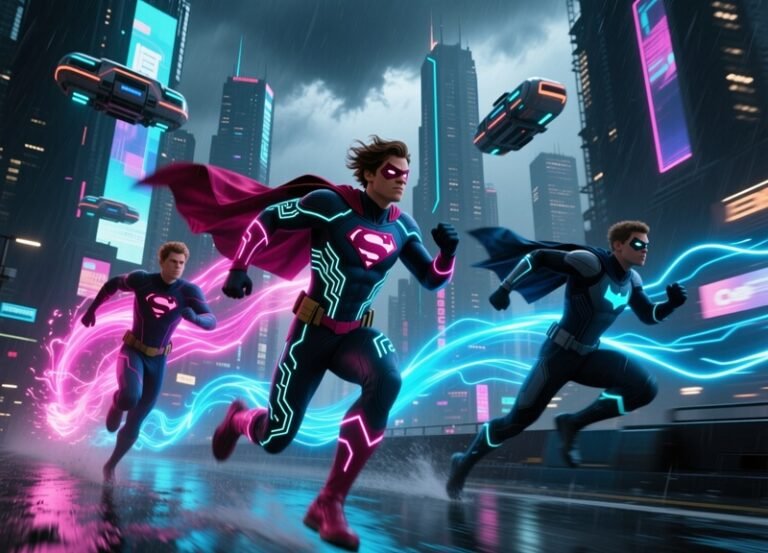
Remember when heroism felt simple? A clear villain, a shining suit, a city saved by sunrise. That playbook is being shredded. In 2025, the very concept of a superhero is undergoing a radical, necessary transformation. This isn’t just a new costume; it’s a new operating system.

The audience is exhausted by omnipotent beings solving problems with bigger lasers. We’re living in complex times, and our myths are catching up. The power shift is here, moving from galactic power fantasies to grounded, morally nuanced stories that speak to our fractured reality. This is how heroism grows up.

From Gods to Neighbors: The Rise of Grounded Power Sets

Forget universe-shattering punches. The new power scale is human-centric, often terrifyingly intimate.

Today’s compelling heroes deal in consequences, not clean wins. Their abilities mirror modern anxieties. Think of a hero who doesn’t manipulate metals, but microplastics—cleaning our oceans one particle at a time. Or a protagonist whose “power” is an unbreakable, encrypted connection to a global whistleblower network, battling disinformation not with fists, but with truth.

The 2025 Power Benchmark:

  • Old Rule: Power = Destructive Capacity.

  • New Rule: Power = Impact / Collateral Damage.

A recent storyline in a critically acclaimed independent comic introduced a hero named “Feedback.” She can’t fly or tank missiles. Instead, she absorbs the emotional tumult of a crisis zone—the panic, the rage—and transmutes it into a wave of targeted calm, de-escalating situations before they turn violent. Her greatest battle is her own mental health afterward. This is the new paradigm: powers with a price tag the hero must personally pay.

The Gray Cape: Moral Ambiguity as the New Normal

The black-and-white morality tale is obsolete. 2025’s narratives thrive in the gray zone. The “villain” might have a devastatingly logical point about climate collapse. The “hero” might use ethically dubious surveillance to prevent an attack. This mirrors our real-world debates on security, privacy, and protest.

Heroism is no longer a binary state (hero/villain) but a spectrum of choices.

We see this in characters who are institutional reformers, working within broken systems. Imagine a superhero who is also a union lawyer, using her intellect and leverage to fight for enhanced labor rights for fellow powered individuals. The conflict isn’t against a monster, but against systemic greed and legal loopholes. The victory isn’t a crater where a villain stood, but a ratified contract.

The Global Stage: Heroes Without Hemispheres

The days of New York or fictional Metropolises being the sole epicenters of heroism are over. The 2025 landscape is authentically global.

  • Lagos, not just London: We’re seeing stories rooted in Lagos’ tech hubs, where a hero’s suit is powered by locally sourced solar tech and their adversaries are corrupt corporate extractors.

  • Folklore, not just Physics: Powers are increasingly derived from cultural folklore and indigenous knowledge—a hero drawing strength from ancestral stories or protecting biodiversity as defined by their community’s ethos.

  • Localized Threats: The crises are specific. A hero in Mumbai might battle a unique form of algorithmic manipulation spreading societal division, while a team in São Paulo tackles weaponized urban deforestation.

This shift isn’t about backdrop tourism. It’s about authentic perspective, where the cultural context isn’t set dressing but the core of the hero’s identity and challenges. For a deeper look at how global myths are reshaping modern stories, a resource like the British Library’s “Discovering Children’s Books” collection offers fascinating historical parallels to this trend of narrative sourcing.

A diverse team of practical-dressed superheroes in a global street market, representing the 2025 shift to localized, culturally-rooted heroism.
The new hero roster reflects the world: diverse, grounded, and solving problems that start on their own streets.

The Platform Revolution: Where We Find These Stories

The shift isn’t just in the characters, but in their distribution. The monolithic movie franchise is no longer the sole king.

  • Serialized Audio Dramas: Immersive, character-driven stories exploring inner monologues and complex world-building without a $200M FX budget.

  • Interactive Graphic Novels: Where reader choices influence a hero’s moral compass, making you complicit in their gray-area decisions.

  • Micro-Series on Streaming: Tight, 8-episode seasons focusing on a single, grounded arc—like a superhero procedural drama.

These platforms allow for riskier, more nuanced storytelling. They can focus on a single hero’s psychological journey over a sprawling, universe-saving crossover event.

Final Thoughts: Why This Shift Matters

This evolution is a sign of cultural health. Our superhero stories have always been a lens on our hopes and fears. In 2025, the fear is existential complexity, and the hope is resilient, adaptable humanity.

The new superhero isn’t here to save us. They’re here to show us how to save ourselves, to navigate the messy, interconnected, and morally complicated world we’ve built. They are flawed, tired, and sometimes wrong. But they persist. And in that persistence—not in invincibility—lies the true, relatable power for 2025 and beyond.

FAQs: The 2025 Superhero Shift Explained

1. Is this the end of classic, powerful superheroes like Superman or Thor?
Not at all. They are evolving. Their stories are less about “can they beat the villain?” and more about “what is the ethical and societal cost of their power?” Their narratives are becoming forums for discussing power itself—who has it, how it’s used, and its unintended consequences.

2. Does “grounded” mean all superhero movies will be dark and gritty now?
No. Grounded means “emotionally and logically coherent.” A story can be hopeful, bright, and funny while still dealing with tangible stakes and consequences. The tone is diversifying. The key is ditching narrative emptiness for meaningful conflict.

3. As a creator, how do I avoid “tokenism” when creating a globally-focused hero?
Authenticity is key. Move beyond aesthetic traits. Integrate the character’s culture into their problem-solving, their moral framework, and their personal conflicts. Research deeply, consult with cultural experts, and ensure the story couldn’t be told with a character from a different background.

4. Are audiences really tired of big superhero blockbusters?
Audiences are tired of formulaic ones. The fatigue is for stories that feel assembly-line produced, devoid of stakes or character depth. A visually spectacular film with a compelling, human-scale story at its heart will always find an audience. The demand is for quality, not necessarily a smaller scale.

5. What’s the most important skill for a 2025-era superhero writer to have?
Empathetic curiosity. The ability to research and understand complex real-world systems—climate science, geopolitics, neuroscience, social media algorithms—and weave those truths into a character’s journey. The superpower is making the incredibly complex feel personally relatable.

Watch Awesome Kate Halle Go Full Swimming Pro in the Bahamas

0

When you think of perfect tropical escapes, turquoise ocean waves, and a lifestyle that feels effortlessly vibrant, the Bahamas naturally comes to mind. But when you add Kate Halle — an influencer known for her beachy aesthetic, passion for nature, and love for swimming — the experience becomes even more captivating. Her recent video from the Bahamas shows her embracing the ocean like a natural pro, proving that swimming is more than just activity—it’s a form of living.

This article explores the vibe, story, and lifestyle behind Kate Halle’s Bahamas swimming journey — not just what she did, but why it resonates with so many followers.

The Bahamas: A Dream Setting for Ocean Lovers

The Bahamas isn’t just another vacation destination—it’s a mindset of freedom, sunlight, and calm tropical energy. Known for its crystal-clear waters, vibrant coral reefs, and warm coastal rhythm, the region has long been a haven for swimmers and ocean explorers.
According to Wikipedia, the Bahamas consists of 700 islands and over 2,000 coral cays, offering unmatched access to stunning beaches and marine life.

One of the first things viewers notice in Kate Halle’s video is how comfortable and natural she is in the ocean. Nothing rushed, nothing forced—just pure enjoyment. The setting itself enhances the experience:

  • Warm blue waters that encourage long swims

  • Gentle ocean waves perfect for open-water swimming

  • Soft sandy beaches for relaxation between swims

  • A calm island environment that feels soothing and energizing at the same time

It’s easy to see why so many viewers watching her felt like they were transported there too.

Kate Halle’s Ocean Confidence — How She Moves Like a Pro

Swimming in the open ocean is very different from swimming in a pool. The ocean demands:

  • Rhythm

  • Breathing awareness

  • Trust in the water

  • Confidence in movement

And Kate Halle handles all of this with ease.

Her Swimming Style

Kate demonstrates a swimming style that is:

  • Relaxed, yet powerful

  • Steady, rather than rushed

  • In-tune with the water’s natural flow

Her strokes glide instead of splash, and her breathing appears calm even in deeper areas. This shows a level of ocean comfort that usually comes from experience, not just practice.

Why Viewers Connected with It

People didn’t just watch her swim — they felt it.

Her clip didn’t look staged. It didn’t feel like an influencer just posing for a camera.
It captured something many people crave:

The feeling of being fully alive, present, and free.

More Than Swimming — The Lifestyle Behind It

Kate’s Bahamas swimming journey is part of a bigger message:
Life is best lived when you connect with the environment instead of rushing against it.

Slow Travel Energy

Rather than hopping between tourist spots, she:

  • Stayed close to nature

  • Took time to relax into the environment

  • Enjoyed moments without forcing entertainment

This pace is inspiring, especially in a world where everything feels rushed.

Natural Fitness Instead of Gym Pressure

Her swim looks like exercise — but without the pressure tone of “workout culture.”

It is movement as enjoyment.
A reminder that fitness can be joyful, playful, and naturally uplifting.

The Bahamas Beach Aesthetic That Made the Video Pop

Part of what makes her video so visually stunning is how the environment complements her vibe.

The scenery itself almost acts like a supporting character.

The Bahamas Ocean Look in the Clip:

Feature Why It Stood Out
Clear water Makes movement look effortless
Soft sunlight Creates natural glow without filters
Calm waves Perfect for long swimming strokes
Colorful seafloor Adds visual depth in underwater shots

The result is something that feels dreamy yet real — not heavily edited or overly promotional.

Why The Video Inspired So Many People

Viewers didn’t just engage — they reflected.
Comments included things like:

  • “This makes me want to reconnect with nature.”

  • “I forgot how healing being in ocean water can be.”

  • “She swims like she belongs in the water.”

This shows the emotional impact of simple, authentic storytelling.

What People Took Away Emotionally

  • Freedom – The ocean invites your mind to expand.

  • Calmness – Swimming has a meditative rhythm.

  • Joy – You don’t need a big plan to enjoy life.

  • Connection – Nature can reset your entire mood.

If You Want to Try Ocean Swimming Like Kate Halle…

Here’s a quick, beginner-friendly guide:

Safety & Comfort First

  • Swim near lifeguards or trained swimmers

  • Avoid deep waters if you’re new

  • Understand basic breathing rhythm

  • Never swim alone

Gear That Helps

  • Swim goggles with UV protection

  • Comfortable swimwear (non-slipping)

  • Reef-safe sunscreen

  • Lightweight fins (optional for confidence boost)

Start Slow

  1. Begin close to shore where you can stand.

  2. Let your breathing settle before moving.

  3. Use long, gentle strokes.

  4. Rest when needed — ocean swimming is energy-heavy.

The Bigger Message Behind Kate Halle’s Video

The core idea is beautifully simple:

You don’t need to be a professional athlete to feel strong and connected in the water. You only need curiosity and patience.

Kate’s Bahamas journey encourages people to step outside the routine and rediscover joy in nature.

Her confidence didn’t come from performance. It came from presence.

Final Thoughts / Conclusion

Kate Halle’s Bahamas swimming experience resonated because it wasn’t about showing off — it was about feeling alive.

The ocean scene, the calm energy, the natural movements, and the joyful simplicity of swimming all connected with viewers looking for something real in a world full of overproduced moments.

Whether someone wants to swim better, travel differently, or simply slow down in life — the message is clear:

FAQs

1. Where in the Bahamas did Kate Halle go swimming?

She hasn’t specified exact locations, but the region is known for beaches with crystal-clear shoreline perfect for casual swimming.

2. Do you need professional training to swim comfortably in the ocean?

No. You simply need practice, breathing awareness, and water confidence. Starting slowly is key.

3. What makes ocean swimming different from pool swimming?

Ocean swimming requires adapting to waves, currents, and natural movement — which makes it more rhythmic and meditative.

4. What time of year is best for swimming in the Bahamas?

Typically between December and July, when water temperatures are warm and tides are calm.

5. Can beginners enjoy ocean swimming safely?

Yes — as long as they stay near shore, swim with others, and pay attention to wave conditions.

The Car Insurance “Catch” That Can Double Your Cover in Two Months

0

This Content Is Only For Subscribers

Please subscribe to unlock this content.

The Great Tech Rebound: Why Computers Are Crushing the “Top Gadgets in Forbes” List Again

0

Remember a few years ago when everyone claimed the “PC was dead”? We were all supposed to be living in a post-computer world, tapping away on iPads and smartphones for everything from spreadsheets to video editing.

Well, the latest rankings are in, and it turns out the reports of the computer’s death were greatly exaggerated. In fact, if you look at the recent Top Gadgets in Forbes, you’ll notice a distinct trend: computers aren’t just on the list; they’re climbing to the very top.

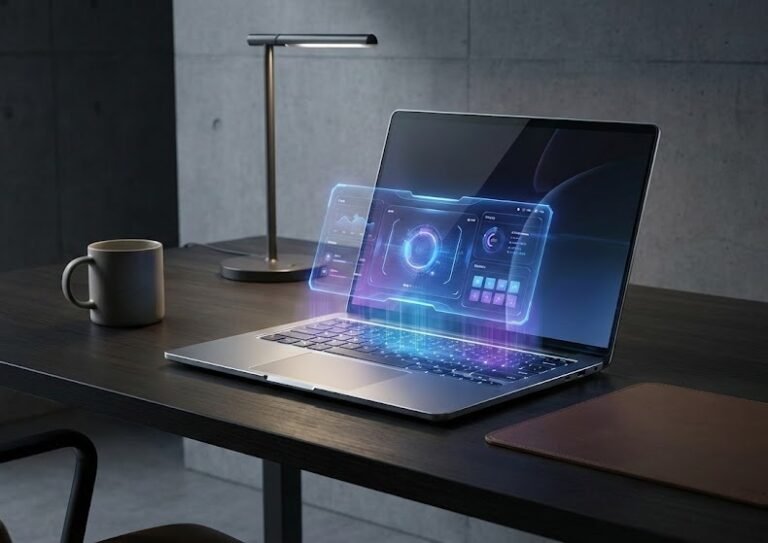
From the surge of Apple’s M-series chips to the sudden necessity of local AI processing power, the “laptop” has reclaimed its status as the ultimate power tool. Let’s dive into why the humble computer is suddenly the sexiest gadget on the block again.

Key Takeaways: The 2025 Gadget Shift

  • Performance is King: Portability used to mean sacrificing power. Today, “Pro” notebooks outperform most desktops from three years ago.
  • The AI Boom: Local “Agentic AI” requires hardware that smartphones simply can’t handle without melting.
  • Work-From-Anywhere 2.0: The “digital nomad” lifestyle has matured, shifting demand from “companion devices” to “do-it-all machines.”
  • Apple’s Dominance: Apple continues to lead the Forbes rankings by successfully blurring the line between consumer gadgetry and professional workstations.

The AI Revolution: Why Your Phone Isn’t Enough

For the last decade, we moved toward the cloud. We thought we didn’t need local storage or heavy-duty processors because the “cloud would handle it.”

Then came 2024.

With the rise of Agentic AI—autonomous AI agents that can browse the web, code, and manage your emails in the background—the demand for local NPU (Neural Processing Unit) power has skyrocketed. Forbes’ latest gadget analysis highlights that the most “valuable” tech isn’t the one that connects to the cloud, but the one that processes your data securely on your desk.

This is a massive reason why computers are climbing the list. You can’t run a complex, local LLM (Large Language Model) effectively on a smartphone without significant lag and battery drain. But on a new MacBook Pro or a high-end Windows AI PC? It’s a breeze.

Portability vs. Power: The Gap Has Closed

In the past, if you wanted the #1 spot on a “top gadgets” list, you had to be small. The Razr, the iPhone, the Blackberry—they all fit in your pocket. Computers were the “boring” tools sitting in the home office.

However, the latest Forbes features showcase machines that are thinner than a legal pad but faster than a Ferrari.

Comparison: Top Gadget Categories 2024 vs. 2025

Feature 2024 Trend: Mobile-First 2025 Trend: Computer-Centric
Primary Device Smartphone / Tablet Ultra-Portable Laptop
Key Metric Screen Brightness / Camera AI Processing Power (TOPS)
Top Brand Apple / Samsung Apple / Dell / NVIDIA-Powered
Usage Consumption / Social Creation / Automation

Why Apple is Leading the Climb

You can’t talk about the Top Gadgets in Forbes without mentioning Apple. Their transition to silicon has essentially reset the industry. By creating chips that are incredibly energy-efficient yet monstrously powerful, they turned the laptop back into a “gadget” people actually want to show off.

It’s no longer just a work tool; it’s a status symbol and a creative hub. Forbes notes that the “climb” is largely driven by the MacBook’s ability to maintain high resale value and professional utility, making it a “smarter” investment than a smartphone that feels obsolete in 12 months.

Beyond the Screen: The Ecosystem Play

One interesting observation from the Forbes reports is that computers are climbing because they act as the “brain” for all other gadgets.

Your smartwatch, your smart home, and your VR headset (like the Vision Pro) all rely on a central hub for deep management and content creation. The computer has become the conductor of the digital orchestra. Without it, your other gadgets are just talented soloists without a script.

People Also Ask (FAQ)

What is currently the #1 gadget in the world?

While smartphones like the iPhone 15/16 Pro Max remain the most popular in terms of unit sales, Forbes and other tech authorities often rank high-performance laptops like the MacBook Pro (M3/M4) as the “top gadget” for value, productivity, and technological impact in 2025.

Are laptops still considered “gadgets”?

Absolutely. The definition of a gadget has evolved from “small electronic toy” to “indispensable tech tool.” As laptops become thinner, more powerful, and integrated with AI, they fit the modern definition of a top-tier gadget.

Why is Apple always at the top of Forbes’ list?

Apple consistently ranks high due to a combination of brand value, innovation in hardware (Apple Silicon), and a seamless ecosystem. Their products aren’t just gadgets; they are parts of a lifestyle that Forbes’ audience—primarily professionals and investors—highly values.

Will AI PCs replace standard laptops?

Yes. We are currently seeing a transition where “AI PC” is becoming the new standard. Within the next two years, any laptop that doesn’t have a dedicated Neural Processing Unit (NPU) will likely struggle to make any “Top Gadgets” list.

The Verdict: Don’t Call it a Comeback

The computer didn’t really go anywhere—it just went to the gym. It’s leaner, faster, and smarter than ever before.

As we move deeper into an era defined by artificial intelligence and remote professional excellence, the devices that offer the most “utility per square inch” will always win. Right now, that’s the computer.

Ready to upgrade your tech stack? Whether you’re an Apple enthusiast or a Windows power user, the message is clear: the most important gadget you own is the one that allows you to create, not just consume.

Check out our other deep dives into the latest tech trends and stay ahead of the curve!