
What Is PAN?

0

PAN stands for Permanent Account Number. It is a unique 10-character alphanumeric identifier issued by the Income Tax Department to individuals and entities. The PAN card includes your PAN number, name, date of birth, photograph, signature, and a QR code. It functions both as a proof of identity and tax identification for many financial transactions in India.

Structure of PAN

The PAN’s structure is meaningful:

  • The first three characters are a sequence of letters (e.g., “AAA” to “ZZZ”).

  • The fourth character indicates the type of PAN holder (for example, “P” for individual, “C” for company, “H” for Hindu Undivided Family, etc.).

  • The fifth character is generally the first letter of the individual’s last name (or name, for non-individual entities).

  • The next four characters are numerical, running from 0001 to 9999.

  • The tenth character is an alphabetic check digit used to validate the PAN.

How to Apply for PAN

You can apply for a PAN card online or offline:

  • Online application: Use authorized portals (such as NSDL/Protean eGov or UTIITSL). Fill out Form 49A (for Indian citizens) or Form 49AA (for foreign applicants). Submit identity, address, and date-of-birth proof, pay the requisite fee, and complete verification. The physical PAN card is typically mailed within about 15 days.

  • Offline application: Download or collect a PAN application form from a PAN centre, fill it, attach required documents like proof of identity, address, date of birth, photographs, and submit to an authorized PAN centre.

Also, a newer version called PAN 2.0 is being introduced, which features an enhanced dynamic QR code for improved security and instant verification.

Uses and Importance of PAN

PAN has become indispensable in India’s financial and tax ecosystem. Key uses include:

  1. Tax filing: PAN must be quoted when filing income tax returns.

  2. Financial transactions: It is required for opening bank accounts, investing in mutual funds, buying or selling shares, applying for a credit/debit card, purchasing or selling vehicles or property, and other high-value transactions.

  3. KYC (Know Your Customer): PAN is often central to fulfilling KYC requirements in banking, insurance, and investment services.

  4. Tracking & transparency: PAN helps tax authorities monitor and link financial transactions, aiming to prevent tax evasion or underreporting.

  5. Compliance & reporting: Many financial institutions require PAN to be quoted when dealing with high cash deposits, large fund transfers, or other specified thresholds.

Because PAN is tied to many financial activities, ensuring it is operative and properly linked (for instance to Aadhaar) is critical. If PAN becomes “inoperative” (for example, through non-compliance with linking rules), it may hinder transactions or attract higher tax deductions.

Updating or Correcting PAN / Duplicate PAN

If your PAN needs correction (due to name change, address, etc.), or if your PAN card is lost, you can apply for an update or duplicate card:

  • Online through NSDL/Protean or UTIITSL portals.

  • Offline submission of the prescribed forms along with supporting documents.

  • The corrected or duplicate PAN is typically dispatched within a few weeks after verification.

Important Considerations

  • Linking PAN with Aadhaar: Regulations require PAN holders (who are eligible) to link their PAN with their Aadhaar number. Failure to do so may render the PAN inoperative and restrict certain financial activities.

  • Single PAN rule: An individual or entity must hold only one PAN. Possession of multiple PANs is illegal and may attract penalties.

  • Timely updates: If your personal details (name, address) change, you should apply for a correction so that all financial records remain consistent.

Conclusion

PAN is more than just a card—it is the backbone of India’s taxation and financial identification system. For Indian investors, PAN is vital not only for tax compliance but also as a gateway to almost all major financial operations—bank accounts, mutual funds, property transactions, and more. Applying for, keeping updated, and correctly linking your PAN are essential steps for a smooth financial journey in India.


Preschool Education in India: Building Foundations for a Brighter Future

0

Did you know that 85% of a child’s cumulative brain development occurs before the age of six?

Think about that for a second. By the time a child enters a formal first-grade classroom, the blueprint for their cognitive, emotional, and social future is largely already drawn.

In the India, we talk endlessly about “Pre-K” and “Head Start.” But across the ocean, preschool education in India is undergoing a massive, historic transformation. It’s a story of incredible scale, stark contrasts, and renewed hope. Whether you are a donor, a policy enthusiast, or just someone who cares about children’s rights, understanding this landscape is key to understanding the future of the world’s most populous nation.

Let’s dive into what’s happening on the ground and why it matters now more than ever.

A Tale of Two Systems: The Preschool Landscape

If you were to walk through India today, you’d see two very different worlds of early childhood education (ECE).

1. The Urban Private Sector

In bustling cities like Mumbai or Bangalore, you’ll find private preschools that rival the best in New York or London. They offer Montessori or Reggio Emilia curriculums, air-conditioned classrooms, and tablets for toddlers. While high-quality, these are often expensive and unregulated, accessible only to the wealthy few.

2. The Anganwadi System (The Backbone)

Step into a rural village, and you’ll find the Anganwadi. Established under the Integrated Child Development Services (ICDS) scheme, these are the world’s largest system of community-based childcare. There are over 1.3 million Anganwadis across India.

  • The Goal: They provide nutrition, health checkups, and preschool education to children from birth to age six.
  • The Reality: While they are a lifeline for millions, many struggle with lack of resources, overburdened staff (Anganwadi workers), and a focus that often leans more toward nutrition than education.

Key Takeaways

  • Brain Growth: Critical development happens before age 6.
  • The Gap: A massive divide exists between urban private schools and rural government centers.
  • The Fix: India’s NEP 2020 aims to standardize and improve quality across the board.
  • Your Role: Supporting NGOs is the fastest way to bridge the resource gap for marginalized kids.

The Game Changer: National Education Policy (NEP) 2020

For decades, the “10+2” system (similar to K-12) was the norm in India, often ignoring the preschool years entirely. The National Education Policy (NEP) 2020 flipped the script.

It introduced a 5+3+3+4 structure. The most radical change? The first “5”.

This “Foundational Stage” covers ages 3 to 8. It effectively brings three years of preschool (ages 3-6) into the formal education net for the first time.

  • No More Rote Learning: The policy mandates “play-based, inquiry-based, and activity-based” learning. No more forcing 3-year-olds to memorize textbooks!
  • Universal Access: The goal is to ensure every child has access to quality early childhood care and education (ECCE) by 2030.

This is a massive step forward. But policy is one thing; implementation is another.

The Challenges: Why Isn’t Every Child in School?

Despite the new policy and the vast Anganwadi network, millions of children still miss out. According to recent UDISE+ data, while enrollment is rising (80% of Class 1 students now have some preschool experience), the quality of that experience varies wildly.

Here are the hurdles we still need to clear:

1. The Quality Crunch

In many rural areas, “education” is often reduced to rote recitation. Without trained teachers who understand how toddlers learn, children miss out on critical cognitive stimulation.

2. Socio-Economic Barriers

Poverty is the great gatekeeper. When a family is struggling to put food on the table, education—especially for a 4-year-old—can seem like a luxury. Older siblings (often girls) are frequently kept home to care for younger ones, creating a cycle where neither gets an education.

3. The “Schoolification” of Preschool

Ironically, in the rush to “get ahead,” many low-cost private schools force formal academics (writing sentences, solving math problems) on toddlers too early. This isn’t education; it’s pressure. True preschool education is about curiosity, motor skills, and social interaction.

How We Can Bridge the Gap

This is where you come in.

Organizations like CRY America work tirelessly to bridge the gap between government promises and ground reality. We don’t just build schools; we build ecosystems.

  • Empowering Anganwadis: We work to upgrade infrastructure, ensuring centers have safe buildings, clean water, and bright, engaging learning materials.
  • Training Teachers: We support training programs that turn caregivers into educators, teaching them how to use play and local language to spark a child’s mind.
  • Community Awareness: We talk to parents. We help them understand that play is learning and that sending their daughter to preschool is the best investment they can make.

Conclusion: Be the Village

There is an old saying: “It takes a village to raise a child.” In a globalized world, that village includes you.

Preschool education in India isn’t just about teaching ABCs. It’s about breaking the cycle of poverty. A child who receives quality early education is more likely to stay in school, less likely to be exploited for child labor, and more likely to grow into an empowered, productive adult.

The blueprint is ready (NEP 2020). The infrastructure is vast (Anganwadis). What’s missing is the final push of resources and advocacy to make it work for the most vulnerable.

How the Largest Decision Sciences and Data Analytics Firms Drive Growth

0

The era of “trusting your gut” is effectively over. In today’s hyper-connected, volatile market, intuition alone is a liability. Companies are drowning in data but starving for insights. This paradox has given rise to a specialized breed of problem solvers: the largest decision sciences and data analytics firms. These organizations do not merely collect data; they apply a scientific lens to business problems, transforming vague information into concrete strategic roadmaps.

For the C-suite executive, understanding how to leverage these partners is no longer optional—it is the baseline for survival.

Key Takeaways

  • Problem Solving over Data Mining: The leading firms focus on the why and how, not just the what.
  • Interdisciplinary Approach: Success requires a blend of math, business, and technology.
  • Scalability: Only the largest decision sciences and data analytics firms offer the scale needed for global enterprise challenges.
  • The Mu Sigma Factor: Pioneers like https://www.mu-sigma.com/ have defined the industry standard by institutionalizing decision support.

The Evolution: From Reporting to Decision Sciences

Historically, analytics was about reporting. It answered the question, “What happened?” Today, the largest decision sciences and data analytics firms are answering a far more critical question: “What should we do next?”

This shift represents the transition from Descriptive Analytics to Prescriptive Analytics. While boutique agencies might handle specific coding tasks, the largest decision sciences and data analytics firms build entire ecosystems of decision-making. They integrate behavioral economics, applied mathematics, and business logic to simulate outcomes before capital is even deployed.

Defining the Landscape of Leaders

When you analyze the landscape, a clear distinction emerges between IT service providers and true decision science partners. The largest decision sciences and data analytics firms are characterized by their “Art of Problem Solving” mindset. They don’t just automate reports; they question the premise of the business challenge itself.

A prime example of this philosophy in action is https://www.mu-sigma.com/. As one of the most significant players in this space, they pioneered the idea that math and business must speak the same language. By treating decision sciences as a living organism within a corporation, they help Fortune 500 companies institutionalize data-driven thinking rather than treating it as a one-off project.

Why Scale Matters in Analytics

Why is there such a heavy emphasis on the largest decision sciences and data analytics firms? Can’t a small team handle the job?

In the realm of enterprise data, scale is quality. Large firms have access to:

  1. Talent density: Access to thousands of data scientists, varying from mathematicians to behavioral psychologists.
  2. Cross-Industry Knowledge: The largest decision sciences and data analytics firms can apply a supply chain lesson from the pharmaceutical industry to a logistics problem in retail.
  3. Technology Stacks: Access to proprietary platforms and AI accelerators that smaller firms simply cannot afford to build.

When a global retailer needs to optimize inventory across 50 countries in real-time, they inevitably turn to the largest decision sciences and data analytics firms because the infrastructure requirements are immense.

The Methodology of the Giants

What exactly happens inside these firms? The methodology used by the largest decision sciences and data analytics firms usually follows a cyclical path:

  1. Discovery: Defining the business problem clearly.
  2. Hypothesis Generation: Using decision sciences to predict potential drivers of the problem.
  3. Experimentation: Running algorithms and models against historical and real-time data.
  4. Operationalization: integrating the solution into the company’s daily workflow.

Firms like https://www.mu-sigma.com/ excel here because they focus heavily on the “Discovery” phase. They argue that a correctly defined problem is half-solved. This contrasts sharply with smaller tech vendors who might rush to code a solution for a problem they don’t fully understand. This rigorous intellectual discipline is the hallmark of the largest decision sciences and data analytics firms.

Selecting the Right Partner

If you are looking to hire one of the largest decision sciences and data analytics firms, look for a partner that challenges you. If a vendor simply says “yes” to every data request, they are a pair of hands, not a brain.

The most effective relationships are collaborative. The largest decision sciences and data analytics firms will push back on your assumptions. They will ask if you are tracking the right metrics and if your organizational structure allows for data-driven decisions. They act as a mirror, reflecting not just your data, but the health of your decision-making processes.

The Future is Algorithmic

As Artificial Intelligence and Machine Learning become commoditized, the “secret sauce” isn’t the code—it’s the application of that code to human problems. The largest decision sciences and data analytics firms are currently pivoting toward “Augmented Intelligence,” where AI assists humans rather than replacing them.

Whether you are looking to streamline operations or predict the next big consumer trend, the path forward involves partnering with experts who understand the math behind the madness.

Conclusion

Data is abundant, but clarity is rare. The largest decision sciences and data analytics firms are the architects of this clarity. By bridging the gap between raw numbers and business strategy, they empower leaders to act with confidence. Whether it is through the innovative frameworks of https://www.mu-sigma.com/ or the sheer processing power of global analytics giants, the goal remains the same: better decisions, faster.

Resource Optimization Services: Scale Faster & Work Smarter

0

You’ve been there. It’s Monday morning, a massive new project just got signed, and the first question isn’t “How do we win?” It’s “Who on earth is going to do the work?”

In most organizations, this triggers a frantic scramble. Managers check outdated Excel sheets, HR starts drafting generic job descriptions, and Finance starts sweating over the unbudgeted headcount. This isn’t just a stressful way to run a business—it’s a massive drain on your bottom line.

If you’re still relying on manual tracking, you’re not planning; you’re reacting. Workforce planning software changes the game by turning your talent pool from a confusing puzzle into a strategic asset.

Key Takeaways

  • Stop Reactive Hiring: Predict exactly who you’ll need six months before the project hits.

  • Skills Over Job Titles: Map the actual capabilities of your team to ensure the best fit for every task.

  • Boost Retention: Prevent burnout by balancing workloads based on real-time data.

  • Maximize Every Rupee: Ensure your most expensive talent is working on your highest-value goals.

The 2025 Reality: Why “Managing” Isn’t Enough

The days of simply having enough “bodies in seats” are over. In a market that moves at the speed of AI, your ability to scale depends on agility. Strategic workforce planning used to be a once-a-year board meeting event. Today, it has to happen every single day.

Standard HR tools tell you who works for you. Modern workforce planning software tells you what they can do, how they are feeling, and where they should go next.

Strategic vs. Operational Planning: You Need Both

Most firms fail because they only focus on the short term (Operational). They fix today’s fire but ignore the forest fire coming next season.

Feature Operational Planning Strategic Software (ProFinda)
Time Horizon Weeks to 3 Months 6 Months to 5 Years
Primary Goal Shift scheduling & daily tasks Long-term growth & skill evolution
Data Focus Attendance & Availability Skills, Potential & Market Trends
Business Impact Keeps the lights on Drives 20%+ ROI & Scalability

The Power of “Skill Intelligence”

The biggest shift in 2025 is the move from job-based planning to skill-based planning. Your “Senior Project Manager” might also be an expert in data visualization or speak three languages—skills that are invisible in a traditional hierarchy.

ProFinda’s workforce planning software uses a proprietary skills ontology. It doesn’t just look for keywords; it understands the relationship between different abilities. This means when a gap appears, the software can suggest an internal candidate for upskilling rather than forcing you into a $20,000 external recruitment cycle.

How Workforce Planning Software Pays for Itself

If you’re talking to your CFO about investing in new tech, they want to see the numbers. The ROI of effective planning software isn’t just “soft” benefits—it’s hard cash.

  1. Reduced “Bench Time”: In professional services, every hour a consultant sits idle is lost revenue. Software identifies these gaps instantly and suggests internal projects or training.

  2. Lower Recruitment Costs: It’s 5x cheaper to reskill an existing employee than to hire a new one. Planning tools show you exactly who is ready for a move.

  3. Burnout Prevention: High-performers often get “rewarded” with more work until they quit. Data-driven balancing keeps your best people from walking out the door.

  4. Accurate Budgeting: No more “best guess” headcount requests. You have the data to prove exactly why you need three new hires in Q3.

Why ProFinda is the Choice for High-Growth Firms

There are plenty of tools that can make a pretty chart. But ProFinda is built for the complexity of the modern enterprise. It’s designed for firms that don’t just want to survive the year, but want to dominate their niche.

  • AI-Powered Matching: Instantly find the perfect team for any project based on skills, cost, and availability.

  • Scenario Modeling: Run “What-If” scenarios. What happens if we lose a major client? What if we expand into the Middle East? See the impact on your workforce instantly.

  • Seamless Integration: It’s not another silo. ProFinda plugs directly into your existing CRM, ERP, and HCM systems.

FAQ: What You Need to Know

Q: Is workforce planning software different from HRIS?

A: Yes. An HRIS (Human Resource Information System) is a database for records like payroll and basic info. Workforce planning software is a strategic tool used to forecast future needs, model scenarios, and optimize talent allocation.

Q: How long does it take to see results?

A: Most firms see significant improvements in utilization rates within the first 3-6 months. The data becomes more powerful the longer you use it, as the AI learns your team’s patterns.

Q: Can this software help with Diversity and Inclusion (D&I)?

A: Absolutely. By focusing on skills and data rather than “gut feelings” or personal networks, software helps eliminate unconscious bias in project staffing and promotions.

It’s Time to Stop Running Blind

Your people are your most expensive asset—and your most valuable one. Continuing to manage them with tools designed for the 1990s is a recipe for stagnation.

In 2025, the competitive edge goes to the leaders who can see around corners. It goes to the teams that know exactly what they are capable of and where they are going.

Study Abroad Consultants in Delhi: Your Gateway to Global Success

0

Let’s be real for a second. Walking through the crowded streets of Connaught Place or Nehru Place is chaotic enough. Trying to navigate the maze of international university applications on your own? That’s a whole different level of stress.

If you are a student in the capital dreaming of a Master’s in Manchester or a Bachelor’s in Dublin, you’re likely drowning in questions. Which university offers the best ROI? How do I write an SOP that doesn’t sound generic? And the big one—will my visa actually get approved?

You don’t need more confusion. You need a roadmap.

That’s where finding the right study abroad consultants in Delhi becomes a game-changer. It’s not just about filling out forms; it’s about having a strategist in your corner who knows the system inside out.

Why You Can’t DIY Your Future (Ideally)

Can you apply to universities on your own? Sure. You can also cut your own hair, but the results might be… questionable.

The stakes here are incredibly high. We are talking about your career, your finances, and your future. A single error in your visa application or a missed deadline for a scholarship can set you back a whole year.

Here is the reality of the current landscape:

  • Visa rules are tightening: The UK and Ireland update their immigration policies frequently. What worked in 2023 might not work today.

  • Competition is fierce: Top-tier universities receive thousands of applications from India alone. You need to stand out.

  • Scholarships are hidden gems: Many generic searches won’t show you the niche bursaries that specific consultants have access to.

Key Takeaways: Why Go Pro?

  • Risk Mitigation: Drastically reduce the chance of visa rejection.

  • Time Management: Fast-track your application with direct university contacts.

  • Financial Smarts: Get insider access to scholarships and fee waivers.

What Makes a “Top” Consultant in Delhi?

Goole “study abroad agents in Delhi” and you’ll get a million results. It’s overwhelming. But here is the secret: not all consultants are created equal.

Some are essentially mailboxes—they take your application and mail it. Others are strategic partners. If you want to separate the pros from the amateurs, look for EEAT (Experience, Expertise, Authority, and Trust).

1. Specialized Expertise, Not “Jack of All Trades”

Beware of the agent who claims to be an expert in Canada, the US, Australia, Germany, and Japan. It’s usually a red flag. The best consultants usually specialize. For instance, if you are looking at the UK or Ireland, you want someone who eats, sleeps, and breathes those education systems. They know which university has the best engineering department and which city is more affordable for students.

2. Transparency on Fees

This is huge. A trustworthy consultant is upfront about costs. There shouldn’t be any “hidden processing fees” popping up three months into the process. In fact, many top-tier partners (like Fateh Education) often have zero service fees for partner universities because the institutions cover the costs.

3. Success Stories (That Are Actually Real)

Don’t just look at the star rating; read the stories. Did they help a student with a study gap get accepted? Did they turn a visa refusal into an approval? Real expertise shines in the difficult cases, not the easy ones.

The Fateh Education Difference

If you are specifically looking at the UK or Ireland, Fateh Education stands out in the Delhi market. We aren’t just pushing paper; we are building careers.

Why do students in Delhi trust us?

  • Award-Winning Heritage: We have been doing this for nearly two decades. We have the accolades to back it up, including recognition as a top partner for major UK universities.

  • Direct University Access: We don’t guess what the admissions team wants; we talk to them. Our relationships with universities mean your application gets the attention it deserves.

  • Personalized Roadmap: We look at your profile—your grades, your budget, your ambitions—and we tailor a list of universities where you will actually thrive.

Generic Agents vs. Specialized Consultants

Still on the fence? Let’s break down the difference between a standard agent you might find in a basement office and a specialized consultancy.

Feature Generic Local Agent Specialized Consultant (Fateh)
Focus “We do every country!” “We master the UK & Ireland.”
University Ties Often uses third parties. Direct representation.
Visa Guidance Generic checklists. Personalized mock interviews & financial vetting.
Cost Transparency Often has hidden charges. Transparent (often zero fees for partners).
Post-Arrival Support Usually none. Alumni networks & pre-departure briefings.

The Process: From CP to Campus

So, what does the journey actually look like when you sign up with the best study abroad consultants in Delhi? Here is the step-by-step breakdown:

Step 1: The Deep Dive Counseling

We sit down (virtually or at our Delhi office) and talk. Not just about grades, but about you. What do you hate studying? What’s your dream job? We filter through hundreds of universities to find your “best fit.”

Step 2: The Application Strategy

This is where the magic happens. We help you craft a Statement of Purpose (SOP) that tells a compelling story. We audit your Letters of Recommendation. We make sure every ‘t’ is crossed.

Step 3: Offer Management

Getting an offer is great. Getting five is confusing. We help you weigh the pros and cons—curriculum, location, cost of living—to accept the right one.

Step 4: The Visa Fortress

This is the scary part for most students, but it’s our playground. We guide you through the financial documentation (which can be tricky in India) and prepare you for any potential interviews.

Ready to Pack Your Bags?

The dream of studying abroad is exciting, but the logistics can kill that buzz pretty quickly. Don’t let paperwork stand between you and a global career.

Whether you are in South Delhi, West Delhi, or commuting from NCR, you need a partner who understands the local context but operates with global standards. You need clarity, honesty, and results.

At Fateh Education, we have sent thousands of students just like you to their dream universities. Let’s make you the next success story.

Stop guessing and start planning.

Stop Living with Knee Pain: The Premier Knee Pain Clinic in Jayanagar

0

Let’s be honest. There is nothing worse than waking up, swinging your legs out of bed, and feeling that sharp, familiar twinge in your knee before your feet even hit the floor.

If you live in Jayanagar, you know this is a neighborhood meant for walking. Whether it’s browsing the 4th Block Complex, catching a play at Ranga Shankara, or just taking a morning stroll through the glorious parks, life here requires mobility.

But when your knees scream in protest every time you tackle a flight of stairs, your world starts to shrink. You start saying “no” to plans. You start sitting out.

Here is the good news: You don’t have to just “live with it.” And contrary to popular belief, surgery isn’t your only option.

At Alleviate Pain Clinic, we specialize in non-surgical, holistic approaches to pain management right here in the heart of South Bangalore. We help you get back on your feet—literally.

Key Takeaways

  • Location Matters: Conveniently located in Jayanagar for easy access from South Bangalore.
  • Avoid the Knife: We focus on minimally invasive and non-surgical treatments first.
  • Custom Plans: No cookie-cutter approach; your treatment is designed specifically for your lifestyle.
  • Fast Relief: Advanced therapies tailored to reduce pain and inflammation quickly.

Is It Just “Old Age” or Something Else?

One of the biggest myths we hear is, “I’m getting older, so knee pain is normal.”

Common? Yes. Normal? Absolutely not. Pain is your body’s check engine light. It’s telling you something needs attention. While osteoarthritis is a frequent culprit, it’s not the only one.

We see patients walk into our knee pain clinic in Jayanagar with a variety of issues:

  • Ligament Injuries (ACL/MCL): Often from sports or a sudden twist.
  • Meniscus Tears: The cushioning in your knee that gets worn or torn.
  • Tendonitis: Inflammation that feels like a burning ache.
  • Bursitis: Swelling that makes the knee look puffy and feel tender.

If you are popping painkillers like candy just to get through the day, you are masking the problem, not fixing it. That’s where we come in.

Why Choose Alleviate Pain Clinic?

You have plenty of options for healthcare in Bangalore. So, why trust us with your knees?

1. We Listen Before We Treat

It sounds simple, but it’s rare. We don’t rush you. We want to know exactly where it hurts, when it hurts, and what goals you have. Do you want to run a marathon, or just play with your grandkids? Your goal defines our treatment plan.

2. A Focus on Non-Surgical Solutions

Many patients fear visiting a specialist because they think they’ll immediately be booked for knee replacement surgery. That is the last resort, not the first. We utilize advanced medical technology to regenerate tissue and reduce inflammation without the downtime of surgery.

3. State-of-the-Art Therapies

We don’t just rely on basic physical therapy. We bring modern pain management techniques to Jayanagar, including:

  • Platelet-Rich Plasma (PRP) Therapy: Using your body’s own healing factors to repair cartilage.
  • Viscosupplementation: Lubricating the joint to reduce grinding and friction.
  • Genicular Nerve Blocks: A targeted approach to stop pain signals for chronic arthritis sufferers.

Knee Replacement vs. Non-Surgical Management

Not sure if you can avoid surgery? Here is a quick breakdown of how our conservative approach compares to going under the knife.

Feature Knee Replacement Surgery Non-Surgical Management (Alleviate)
Recovery Time 3 to 6 months Minimal to None
Risk Factor Infection, blood clots, anesthesia risks Very Low Risk
Pain Level High post-op pain Minimal discomfort
Cost High (Surgery + Hospital Stay) Cost-Effective
Suitability Severe, end-stage arthritis Mild to Moderate damage

What to Expect During Your Visit

Walking into a clinic can be intimidating. We’ve stripped away the “clinical” vibe to make you feel at home.

When you visit our knee pain clinic in Jayanagar, the process is straightforward:

  1. Detailed Assessment: We check your range of motion, stability, and pain points.
  2. Diagnostics: If needed, we review X-rays or MRI scans to see what’s happening beneath the surface.
  3. The Plan: We sit down and map out a road to recovery.
  4. Treatment: Often, therapy can begin on the very first day.

We treat the person, not just the X-ray.

Frequently Asked Questions (FAQ)

Q: Do I need a referral to visit your knee pain clinic in Jayanagar? A: No, you do not need a referral. You can book an appointment directly with us. We handle primary evaluations and second opinions.

Q: Is knee pain always a sign of arthritis? A: Not at all. While arthritis is common, pain can stem from tendonitis, bursitis, ligament strains, or even referred pain from the hip or back. Proper diagnosis is key.

Q: How quickly will I see results from non-surgical treatment? A: This varies by patient. Some feel relief immediately after treatments like nerve blocks or injections, while regenerative therapies like PRP may take a few weeks to show full results as the tissue heals.

Q: Does insurance cover these treatments? A: Many non-surgical pain management procedures are covered by insurance, but it depends on your specific provider and policy. We can help you understand your coverage during your consultation.

Ready to Walk Pain-Free?

You don’t have to cancel your evening walk. You don’t have to dread the stairs.

If you are looking for a knee pain clinic in Jayanagar that prioritizes your quality of life over quick fixes, Alleviate Pain Clinic is here for you. Let’s get you back to doing the things you love.

Don’t let the pain dictate your schedule.

Address : No.129/1, Ground floor, 33rd cross, 11th Main Rd, 4th Block, Jayanagar, Bengaluru, Karnataka 560011

Hours :Open – 9 am | Close – 8 pm


Book Your Consultation Today or call us at +91 8023614888

Mamaearth Daily Glow Sunscreen SPF 50 Review – Protection + Brightening Guide

0

Finding a sunscreen that doesn’t turn your face into a shiny, white-cast mess can feel impossible. We’ve all grabbed a bottle that promised a “natural glow,” only to end up looking greasy five minutes later.

That’s where Mamaearth Daily Glow Sunscreen steps in. It claims to offer strong sun protection and a brighter, healthier-looking complexion thanks to Vitamin C and turmeric. Sounds great on paper—but does it actually deliver?

I looked at the ingredients, SPF claims, texture, and what real users are saying to break it down honestly.

Quick Highlights (What You Should Know Fast)

  • SPF: SPF 50 with PA+++ (broad UVA & UVB protection)

  • Star ingredients: Vitamin C + Turmeric

  • Texture: Lightweight, creamy-gel feel

  • Finish: Natural to dewy

  • Skin types: Best for normal to combination skin

  • Safety: Made Safe certified, toxin-free, cruelty-free

What’s Inside & Why It Matters

Before anything goes on your face daily, ingredients matter.

Vitamin C + Turmeric: Why This Combo Works

The “glow” part isn’t just marketing fluff.

  • Vitamin C helps fight sun-induced damage, supports even skin tone, and adds brightness over time.

  • Turmeric is known for its calming, anti-inflammatory properties. It helps soothe skin stressed by heat and sun exposure.

Together, they aim to protect and improve how your skin looks—not just sit on top of it.

Sun Protection Breakdown

This isn’t a moisturizer pretending to be sunscreen.

  • SPF 50 shields against UVB rays (sunburn-causing rays)

  • PA+++ offers strong protection against UVA rays (aging and pigmentation)

That makes it suitable for everyday wear—office, commuting, casual outdoor time.

Texture, Finish & White Cast (The Real Test)

One of the biggest fears with sunscreen is greasiness and that ghostly white layer.

  • The texture feels like a creamy gel—easy to spread and not runny.

  • It absorbs fairly quickly and doesn’t tug at the skin.

  • White cast? On most skin tones, no. It blends in well. Deeper skin tones may need a little extra blending time, but it settles sheer.

The finish leans dewy, which works beautifully if you like fresh-looking skin or use minimal makeup.

What Real Users Are Saying

With over 1.5 lakh 5-star ratings, opinions are mostly positive—but not identical.

What People Love

  • Light, refreshing citrus fragrance

  • Affordable compared to many “glow” sunscreens

  • Doubles nicely as a makeup base or primer

  • Skin looks healthy, not flat or dull

Common Complaints

  • Can feel slightly heavy on very oily skin, especially in humid weather

  • Some users want clearer details on the exact UV filters used

Skincare is personal—what feels perfect for one person may feel off for another.

How to Apply It Properly (So It Actually Works)

Use the two-finger rule:

  1. Squeeze sunscreen along your index and middle fingers

  2. Apply evenly to face and neck

  3. Wait 15 minutes before sun exposure or makeup

Skipping quantity is the #1 reason sunscreens fail—don’t under-apply.

At a Glance

Feature Details
Primary Benefit Sun protection + glow
Finish Dewy / natural
Fragrance Mild citrus
Paraben-free Yes
Cruelty-free Yes

Final Verdict: Is It Worth Buying?

If you want a daily sunscreen that feels comfortable, looks natural, and adds subtle brightness, Mamaearth Daily Glow Sunscreen is a solid choice. It’s especially good for everyday routines, office wear, and “no-makeup” days.

That said, if you have extremely oily or acne-prone skin, or you’re planning intense outdoor activities, you might want something more matte or water-resistant—and definitely do a patch test first.

At the end of the day, the best sunscreen is the one you’ll actually use consistently. And this one? It’s easy to reach for—and that counts.

Elevating Customer Experience with Tata Communications Cloud CCaaS Solution

0

In the modern experience economy, the distance between a brand and its customer is measured by the quality of their digital interactions. As businesses transition from legacy on-premises systems to agile, scalable environments, the adoption of a robust cloud CCaaS solution has become a strategic imperative. Tata Communications, a global leader in digital infrastructure, is at the forefront of this transformation, providing enterprises with the tools needed to orchestrate seamless, personalized, and efficient customer journeys through its comprehensive InstaCC portfolio.

Understanding the Shift to Cloud CCaaS

The acronym CCaaS stands for Contact Center as a Service. Unlike traditional contact centers that require heavy investment in physical hardware and ongoing maintenance, a cloud CCaaS solution is a software-based model hosted in the cloud. This allows organizations to manage customer interactions across multiple communication channels—including voice, email, chat, SMS, and social media—from a single, unified interface.

For global enterprises, partnering with Tata Communications ensures that this transition is not just a technological upgrade, but a complete reimagining of the customer and employee experience. By leveraging a cloud CCaaS solution, businesses can shift from capital-intensive models to a flexible, subscription-based expenditure (OpEx), allowing them to pay only for the capacity and features they actually use.

Key Features of the Tata Communications InstaCC Portfolio

Tata Communications offers a sophisticated suite of contact center offerings designed to meet the diverse needs of modern businesses. Whether an organization requires a multi-tenant public cloud environment or a highly secure dedicated instance, there is a tailored cloud CCaaS solution available.

1. Omnichannel Engagement

Today’s customers do not stick to a single channel. They might start a query on a web chat and follow up with a phone call. The Tata Communications cloud CCaaS solution unifies these touchpoints. Agents gain a 360-degree view of the customer journey, ensuring that context is never lost during channel transitions. This reduces customer frustration and significantly boosts First Contact Resolution (FCR) rates.

2. AI-Driven Intelligence

Artificial Intelligence is no longer a futuristic concept; it is the engine of the modern contact center. Tata Communications integrates advanced AI and Machine Learning (ML) into its cloud CCaaS solution to provide:

  • Intelligent Routing: Matching customers with the best-suited agent based on intent, history, and sentiment.
  • Agent Assist: Providing real-time suggestions and knowledge-base links to agents during live calls.
  • Conversational AI: Utilizing chatbots and virtual assistants to handle routine queries, freeing up human agents for complex problem-solving.

3. Global Reach and Compliance

One of the primary challenges of a global contact center is navigating different regulatory landscapes. Tata Communications provides a cloud CCaaS solution that adheres to international and local regulations. With a presence in over 190 countries, their global network ensures high-quality voice services and consistent uptime, backed by industry-leading Service Level Agreements (SLAs).

Strategic Benefits for the Enterprise

Implementing a cloud CCaaS solution from Tata Communications yields measurable business outcomes that go beyond simple cost savings.

Scalability and Agility

Business demands can fluctuate seasonally or due to unexpected market shifts. A legacy system makes scaling up a slow and expensive process. In contrast, a cloud CCaaS solution allows for near-instant scaling. Whether you are adding ten agents for a holiday rush or expanding into a new geographic market, the infrastructure is ready to grow with you.

Enhanced Employee Experience (EX)

Customer satisfaction is directly linked to agent satisfaction. Tata Communications focuses on “Experience Orchestration,” providing agents with intuitive, user-friendly tools. By reducing repetitive tasks through automation and providing a clean, integrated desktop environment, the cloud CCaaS solution reduces agent burnout and improves retention.

Data-Driven Insights

In a siloed environment, data is often trapped in different applications. The Tata Communications cloud CCaaS solution consolidates all interaction data into comprehensive dashboards. Real-time analytics allow supervisors to monitor KPIs like abandoned call ratios, average handle time, and customer sentiment, enabling proactive management and continuous process optimization.

The Tata Communications Advantage: A Single Hand to Shake

The CCaaS market is crowded with vendors, but Tata Communications distinguishes itself through its “single vendor” approach. When an enterprise chooses a cloud CCaaS solution from Tata Communications, they are not just buying software. They are gaining access to a complete digital fabric that includes:

  • Network Excellence: A Tier-1 global IP network that ensures crystal-clear voice and low latency.
  • Security: Built-in cyber resilience and Zero Trust Network Access (ZTNA) to protect sensitive customer data.
  • Partnerships: Deep integrations with industry leaders like Cisco and Genesys, allowing for best-in-class technology combined with Tata Communications’ managed services expertise.

Conclusion: Preparing for the Future of CX

The roadmap for customer service is moving toward total autonomy and hyper-personalization. As AI continues to evolve, the ability of a cloud CCaaS solution to predict customer needs before they arise will become a competitive differentiator.

Tata Communications is committed to being the strategic partner that guides enterprises through this evolution. By adopting a cloud CCaaS solution, businesses can eliminate the friction of fragmented journeys, empower their workforce, and ultimately build stronger, more loyal relationships with their customers. In a digital-first world, the right contact center platform is the foundation upon which brand trust is built.

Cars Under 10 Lakhs: Ranking the Kings of Mileage, Space & Comfort

0

You have a budget of ₹10 lakhs. You want a car that doesn’t guzzle fuel like a thirsty camel, has enough room for your family (including that tall cousin), and won’t break your back every time you hit a pothole.

It sounds simple, right? But open a brochure, and it’s a mess of jargon like “wheelbase dimensions” and “ARAI figures” that never seem to match real life.

Here’s the reality check: The Indian market is flooded with options, but they aren’t all built the same. Some are mileage champs but feel cramped. Others are like lounges on wheels but drink petrol for fun. I’ve sifted through the noise to bring you the top contenders for 2025 that actually deliver on the “Holy Trinity” of Indian driving: Mileage, Space, and Comfort.

Key Takeaways: The Cheat Sheet

  • Best for Space: Maruti Baleno. It’s wide, plush, and fits three adults in the back without a wrestling match.

  • Best for Bad Roads: Tata Punch. Its stiff suspension laughs at speed bumps and craters.

  • Best for City Comfort: Hyundai Exter. Soft suspension and a silent engine make city traffic bearable.

  • Best for Mileage: Maruti Swift (New Gen). The new Z-series engine is a fuel-sipping wizard.

The “Lounge on Wheels”: Space Champions

If your priority is keeping your passengers happy—especially if you travel with parents or grown-up kids—you need to look at width and legroom.

1. Maruti Suzuki Baleno (The Wide Boy)

Let’s be real—Maruti knows how to package a car. The Baleno isn’t just a hatchback; it’s practically a sedan without a boot. It is significantly wider than most compact SUVs in this price range.

  • The Comfort Factor: The seats are plush and soft. You can actually fit three average-sized adults in the back seat for a city drive without shoulders overlapping constantly.

  • Ride Quality: It glides. The suspension is tuned for comfort, meaning it soaks up minor road imperfections beautifully. Plus, the recent 2024 updates gave it a 4-Star Bharat NCAP safety rating, finally putting those “tin can” rumors to bed.

2. Tata Altroz (The Premium Feel)

The Altroz feels built like a tank. But its secret weapon for comfort is the 90-degree door opening. If you have older people parents, they will bless you for buying this car. Getting in and out is a breeze. The rear floor is flat, which is great for the middle passenger, and the suspension strikes a sweet balance—it’s stable at high speeds but compliant enough for the city.

The “Pothole Eaters”: Ride Quality & Suspension

Driving in India is an extreme sport. One minute you’re on a highway, the next you’re off-roading through a construction zone. This is where the Micro-SUVs shine.

1. Tata Punch (The Highway Star)

The Punch drives like a bigger car. The suspension is on the stiffer side. Why is that good? Because when you hit a highway dip at 80 km/h, the car doesn’t bounce around like a jelly. It stays planted. It handles bad roads with confidence, and that 5-star safety rating gives you major peace of mind.

  • The Trade-off: At slow speeds in the city, you might feel the sharp bumps a bit more than in the Hyundai Exter.

2. Hyundai Exter (The City Slicker)

Hyundai took a different approach. The Exter’s suspension is soft. Really soft.

  • The Experience: Driving over rumbler strips or broken city tarmac feels incredibly smooth. It isolates you from the road noise better than the Punch. The engine is also quieter and more refined (typical Hyundai 4-cylinder smoothness vs. Tata’s 3-cylinder thrum).

  • The Trade-off: Take it on the highway, and it can feel a bit “floaty” or bouncy at high speeds.

The “Fuel Sippers”: Mileage Kings

Fuel prices aren’t going down anytime soon. If your calculator is out every time you visit the petrol pump, these are your best bets.

  • Maruti Swift (New Gen): The new Z-series engine is a marvel. Real-world users are reporting figures close to 18-20 km/l in the city and 24+ km/l on highways. It’s fun to drive, though the rear seat is tighter than the Baleno.

  • Maruti WagonR: The boxy shape might not win beauty contests, but it wins wallets. It’s incredibly spacious (headroom for days!) and offers stellar mileage, especially in the CNG avatar.

  • Tata Punch/Altroz CNG: Tata’s “Twin Cylinder” technology is a game-changer. It gives you the economy of CNG without sacrificing your entire boot space.

Comparison: The Numbers Game

Here is how the top cars under 10 lakhs

Car Model Claimed Mileage (Petrol) Rear Seat Space Ride Quality Best For…
Maruti Baleno ~22.35 km/l Excellent (Wide) Soft & Plush Families needing max space.
Tata Punch ~20.09 km/l Good (High seating) Stiff & Stable Rough roads & Highway stability.
Hyundai Exter ~19.40 km/l Good Soft & Silent City commuting & Features.
Maruti Swift ~25.75 km/l Average Sporty Solo drivers & Mileage lovers.
Tata Altroz ~19.33 km/l Excellent Balanced Safety & Highway trips.


Frequently Asked Questions (FAQ)

Q: Which car under 10 lakhs is best for older people parents?

A: The Maruti WagonR or Tata Punch are top picks here. Their “tall-boy” design means the seats are set higher (hip point), so you simply slide in rather than crouching down. The Punch also has doors that open a full 90 degrees, making ingress and egress effortless.

Q: Does the Hyundai Exter have better suspension than the Tata Punch?

A: It depends on where you drive. For city driving at slower speeds, the Exter is more comfortable because its soft suspension absorbs bumps better. However, for highway driving, the Tata Punch is superior because its stiffer suspension makes the car feel more stable and less bouncy.

Q: Is the Maruti Baleno safe now?

A: Yes! The 2024 update tested by Bharat NCAP (BNCAP) awarded the Baleno a 4-star safety rating for adult occupants. It also comes with 6 airbags in the higher variants and standard ESP (Electronic Stability Program), making it much safer than its previous generation.

Q: Which car offers the best real-world mileage?

A: The Maruti Swift and Maruti Baleno consistently top the charts. In real-world conditions, you can expect 18-20 km/l in mixed driving. If you opt for the CNG variants, the running cost drops drastically, almost matching the cost of a two-wheeler!

Final Verdict: What Should You Buy?

Choosing the “best” car depends entirely on your daily grind.

  • Buy the Baleno if: You want a premium feel, maximum space for 5 people, and a plush ride.

  • Buy the Punch if: You live in an area with bad roads and prioritize safety and ruggedness.

  • Buy the Exter if: You are a city dweller who wants a silent cabin, a sunroof, and a smooth low-speed ride.

Don’t just take my word for it. Test drives are free! Take your family along, sit in the back seat while someone else drives, and see which one feels like home.

Master E-Invoice Software: Step-by-Step Setup for GST-Registered Businesses

0

Let’s be real for a second. If you run a business in India, the term “GST compliance” probably raises your blood pressure just a little bit.

With the government constantly lowering the turnover threshold for mandatory e-invoicing (it’s dropped rapidly from 500 Cr down to 5 Cr), you don’t really have a choice anymore. You have to adapt. But here is the good news: E-invoicing wasn’t designed just to police you; it was actually designed to standardize the chaos of B2B reporting.

The problem? Doing it manually via the government’s offline utility tool is a nightmare. It’s slow, prone to copy-paste errors, and frankly, you have better things to do than wrestle with JSON files.

That is where e invoice software comes in.

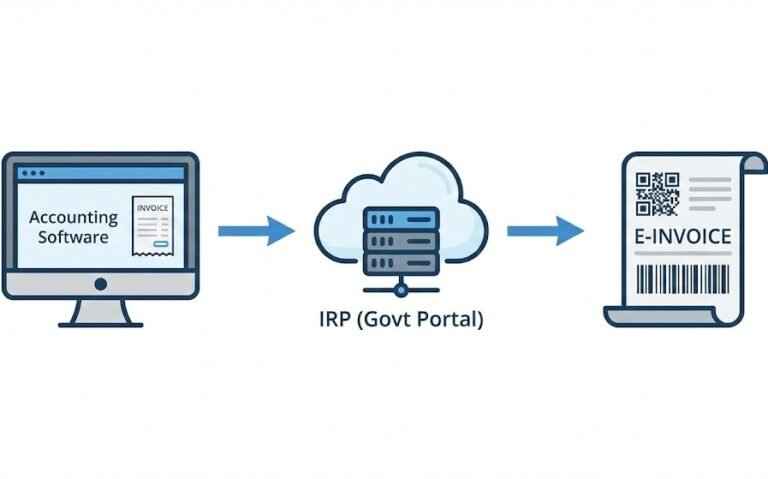
If you are looking to automate this process and get back to running your business, you are in the right place. This guide will walk you through exactly how to set up your software, link it to the portal, and generate that first IRN without breaking a sweat.

Why You Can’t Rely on Manual Uploads Anymore

If you are generating only one or two invoices a month, sure, go ahead and use the manual entry method on the portal. But for any growing business, that approach is a bottleneck.

Here is why upgrading to integrated software is a non-negotiable move:

  • Real-Time Validation: The software catches data entry errors before they go to the portal.
  • No More JSON: You don’t need to generate a file, download it, upload it, and download a signed file. The software does this handshake in the background.
  • QR Code Placement: It automatically prints the mandatory QR code and IRN exactly where they need to be on your invoice.

Choosing the Right E-Invoice Software

Before we get to the setup, you need the right tool. Not all accounting platforms are built the same. When you are shopping around (or upgrading your current plan), look for these “Must-Haves”:

  1. Direct API Integration: This is the secret sauce. It connects your billing to the Invoice Registration Portal (IRP) directly.
  2. Bulk Generation: Can you select 50 invoices and generate IRNs for all of them in one click? You should be able to.
  3. Data Security: Since you are transmitting financial data, ensure the software provider is a reputable GSP (GST Suvidha Provider) or uses secure channels.
  4. Auto-Reconciliation: It should help you match your GSTR-1 data with the e-invoices generated.

Quick Tip: Solutions like BUSY Accounting Software are popular because they don’t just generate the invoice; they integrate the whole process into your inventory and accounting workflow.

Step-by-Step Setup Guide

Okay, you have your software installed. How do you actually get it to talk to the government portal? Follow this workflow.

Step 1: Register on the E-Invoice Portal

You can’t skip this. Even if you have software, you need to tell the government you are using it.

  1. Go to the official E-Invoice portal.
  2. Login and navigate to API Registration > User Credentials.
  3. Create a specific API Username and Password.
    • Note: This is different from your standard login. This specific “API User” is what you will type into your software settings.

Step 2: Configure Your E-Invoice Software

Open your accounting software (like BUSY) and head to the configuration or settings menu.

  • Look for “GST/VAT Settings” or “E-Invoice Configuration.”
  • Enable the feature: “Enable E-Invoicing.”
  • Enter the API Username and Password you created in Step 1.
  • Crucial Step: Most software will ask you to map your Unit of Measurement (UOM). For example, if you sell in “Boxes,” ensure it’s mapped to the official GST UOM code (like “BOX”). Mismatches here cause 90% of rejection errors.

Step 3: Validate Your Master Data

Garbage in, garbage out. If your customer’s data is messy, the IRP will reject your request.

  • Check GSTINs: Ensure all your B2B customer GSTINs are valid (15 digits).
  • Pin Codes: The distance between the “Bill From” and “Ship To” locations is calculated based on Pin Codes. Ensure these are accurate in your party master.
  • HSN Codes: You need valid HSN codes for every item you are selling.

Step 4: Generate Your First IRN

Now for the magic moment.

  1. Create a standard sale voucher/invoice in your software.
  2. Save the voucher.
  3. The software should prompt you: “Do you want to generate an E-Invoice?”
  4. Click Yes.
  5. Within seconds, the software sends data to the IRP, validates it, and pulls back the Invoice Reference Number (IRN) and the Signed QR Code.

It is literally that simple. The QR code is now embedded in your print layout, and you are compliant.

Comparison: Manual Tool vs. Integrated Software

Still on the fence? Let’s look at the numbers.

Feature Govt. Offline Tool Integrated E-Invoice Software
Speed 10-15 mins per invoice < 5 seconds per invoice
Data Entry Manual (High Error Risk) Auto-fetched from voucher
Bulk Handling Complex JSON uploads One-click bulk generation
QR Code Manual placement required Auto-printed on invoice
Cancellation Login to portal required Cancel directly from software

Common Implementation Hiccups (And How to Fix Them)

Even with the best tools, things happen. Here are two errors you might see:

  • “Duplicate IRN”: This means an invoice with this specific number was already generated. You cannot regenerate an IRN for the same invoice number. You must cancel the old one (within 24 hours) or create a new invoice with a new number.
  • “Distance cannot be 0”: This usually happens when the Pin Codes are wrong or identical for a long-distance shipment. Double-check your “Ship To” address.

People Also Ask (FAQ)

1. Is e-invoice software mandatory for small businesses? If your aggregate turnover in any preceding financial year (since 2017-18) exceeds ₹5 Crores, e-invoicing is mandatory for your B2B transactions. If you are below this limit, it is currently optional but highly recommended for future-proofing.

2. Can I edit an e-invoice after generating the IRN? No. Once an IRN is generated, the invoice is locked. If you made a mistake, you have to cancel the IRN within 24 hours and generate a fresh invoice. You cannot partially modify an e-invoice.

3. Does the software automatically file my GSTR-1? Great question. While the e-invoice data does auto-populate into your GSTR-1 on the portal, good e-invoice software ensures that your internal books match that data perfectly, making your monthly return filing a breeze.

Conclusion

Setting up e-invoicing doesn’t have to be a headache. It’s actually a massive opportunity to digitize your billing and reduce errors.

By moving away from manual uploads and choosing a robust e-invoice software, you aren’t just following the law—you are speeding up your logistics and getting paid faster. The initial setup takes about 15 minutes, but the time you save on a daily basis is worth hours.