
Interest Rate of Commercial Vehicle Loan: Factors, Rates, and How to Get the Best Deal

0

The interest rate of commercial vehicle loan is one of the most important factors to consider when financing trucks, buses, vans, or other business vehicles. It directly affects your monthly EMI and the total repayment amount over the loan tenure. Whether you are starting a transport business or expanding your fleet, understanding how commercial vehicle loan interest rates work can help you make smarter financial decisions.

What Is the Interest Rate of Commercial Vehicle Loan?

The interest rate of commercial vehicle loan refers to the percentage charged by lenders on the borrowed amount for purchasing a commercial vehicle. In India, these interest rates typically start from around 9% to 18% per annum, depending on the borrower’s profile, vehicle type, and repayment tenure. New commercial vehicles generally attract lower interest rates compared to used vehicles because they carry less risk for lenders.

Financial institutions evaluate several factors before deciding the final interest rate. A strong credit history, stable income, and lower loan amount usually help borrowers secure better rates. On the other hand, higher risk profiles or older vehicles may lead to slightly higher interest charges.

Key Factors That Affect Commercial Vehicle Loan Interest Rates

Several factors influence the interest rate of commercial vehicle loan, and understanding them can help you negotiate better terms.

Credit Score:
A higher credit score shows lenders that you are financially responsible. Borrowers with good credit scores often receive lower interest rates and faster loan approvals.

Type and Age of Vehicle:
New vehicles typically qualify for lower interest rates because they have higher resale value. Used commercial vehicles may carry slightly higher rates due to increased risk.

Loan Amount and Tenure:
Longer repayment tenures usually result in higher total interest payments, while shorter tenures may reduce overall interest but increase monthly EMI.

Business Stability:
Lenders assess your business income and operational history. A stable and profitable business increases the chances of getting a competitive interest rate.

Average Interest Rate of Commercial Vehicle Loan in India

The interest rate of commercial vehicle loan varies across lenders and vehicle categories. Here is a general overview of typical ranges:

  • New Commercial Loan: 9% to 14% per annum
  • Used Commercial Vehicle Loan: 11% to 18% per annum
  • Loan Tenure: Up to 5 years
  • Loan Amount: Up to 90–100% of the vehicle cost

These figures are indicative and may change based on market conditions, lender policies, and borrower eligibility.

Benefits of Choosing the Right Commercial Vehicle Loan Interest Rate

Selecting a competitive interest rate of commercial loan offers several advantages for business owners and transport operators.

Lower interest rates reduce the total cost of borrowing and make monthly payments more manageable. This improves cash flow and allows businesses to allocate funds to other operational needs such as fuel, maintenance, and staffing. A well-structured loan with a favorable interest rate also helps maintain financial stability and supports long-term business growth.

Tips to Get the Best Interest Rate of Commercial Vehicle Loan

Borrowers can take practical steps to secure a better interest rate and reduce financial burden. Maintaining a strong credit score, providing accurate financial documents, and comparing offers from multiple lenders are effective strategies. Making a higher down payment can also reduce the loan amount and improve eligibility for lower interest rates.

It is also important to review loan terms carefully, including processing fees, prepayment charges, and penalties, to avoid unexpected costs during repayment.

Conclusion


Understanding the interest rate of commercial vehicle loan is essential for making informed financing decisions. By comparing lenders, maintaining a good credit profile, and choosing the right loan tenure, borrowers can reduce overall costs and manage repayments efficiently. A well-planned vehicle loan not only supports business expansion but also ensures long-term financial stability.


Advantages of iOS App Development

0

In the global smartphone market, the Apple ecosystem represents more than just a premium hardware choice; it is a high-performance gateway to a dedicated and affluent user base. For businesses looking to establish a digital presence that screams quality and reliability, ios app development remains a top-tier investment.

While multiple platforms exist, the unique architecture of Apple’s operating system offers specific benefits that can accelerate a brand’s growth and digital reputation. At Buuuk, we specialize in turning these technical advantages into tangible business outcomes.

1. Superior User Experience and Standardized UI

One of the most significant pillars of the Apple brand is its commitment to sleek, intuitive design. When you choose ios app development, your product inherits a standardized set of Human Interface Guidelines. This ensures that users feel an immediate sense of familiarity and ease when navigating your app. This consistency leads to higher engagement rates and lower abandonment, as the learning curve for the customer is virtually non-existent.

2. Enhanced Security and Data Privacy

In an era where data breaches are a constant threat, Apple’s “walled garden” approach provides peace of mind. The rigorous App Store review process ensures that every application meets strict security standards. Furthermore, ios app development benefits from advanced encryption and frequent software updates that protect against emerging vulnerabilities. For sectors like finance or healthcare, this level of security is a critical requirement that Buuuk prioritizes in every build.

3. Access to a High-Value Audience

Statistically, iOS users tend to have a higher average income and a greater willingness to spend on in-app purchases and subscriptions compared to other platforms. By focusing on ios app development, businesses can target a demographic that values premium services. This often results in a higher Return on Investment (ROI) and more predictable revenue streams for startups and established enterprises alike.

4. Fragment-Free Testing and Faster Deployment

Unlike other operating systems that run on thousands of different devices with varying screen sizes and hardware specs, iOS is limited to a controlled range of iPhones and iPads. This lack of fragmentation makes the ios app development process significantly more efficient. Developers can test applications across a concise list of devices, leading to shorter development cycles, fewer bugs, and a faster time-to-market.

5. Seamless Integration Across the Apple Ecosystem

The “Continuity” feature of Apple devices allows for a fluid experience between the iPhone, iPad, Mac, and Apple Watch. A well-executed ios app development strategy allows a business to live across all these devices simultaneously. This ecosystem-wide integration ensures that your brand is always within reach, whether the user is at their desk or on the move.

Conclusion: Elevate Your Brand with Buuuk

Choosing the right platform is the first step toward digital success. While every business has unique needs, the stability, security, and prestige associated with the iOS platform make it an ideal choice for brands aiming for excellence.

At Buuuk, we combine deep technical expertise with a design-first philosophy to create bespoke iOS applications. We don’t just write code; we build digital experiences that resonate with users and drive long-term business value. If you are ready to explore how a premium mobile presence can transform your operations, our team is ready to lead the way.

Dandruff Treatment Guide Causes Symptoms and Effective Solutions

0

That familiar white flake on your shoulder isn’t just embarrassing—it’s your scalp sending a signal. Dandruff affects nearly 50% of adults worldwide, yet many people spend years cycling through the wrong treatments. This guide breaks down what’s really causing your dandruff and how to find a solution that actually works.

What Is Dandruff?

Dandruff is a chronic scalp condition marked by flaking skin and, often, itchiness. It’s not contagious, and it’s rarely serious. But left untreated, it can worsen over time and significantly affect your confidence.

The condition occurs when the scalp sheds dead skin cells at an accelerated rate. While some shedding is completely normal, dandruff pushes that process into overdrive.

Common Causes of Dandruff

Understanding the root cause is the first step to effective dandruff treatment. Several factors can trigger or worsen the condition:

  • Malassezia fungus: A naturally occurring fungus on the scalp that, in some people, grows excessively and irritates skin.
  • Dry skin: Cold weather and low humidity can strip moisture from the scalp, causing flaking.
  • Oily scalp (seborrheic dermatitis): Excess oil production creates an environment where fungus thrives.
  • Product buildup: Shampoos, conditioners, and styling products can accumulate on the scalp, triggering irritation.
  • Stress and poor diet: Both can weaken your immune response and disrupt skin cell turnover.

Recognizing the Symptoms

Dandruff symptoms are generally easy to spot:

  • White or yellowish flakes on the scalp, hair, or clothing
  • Persistent scalp itchiness
  • Dry or oily-looking skin on the scalp
  • Scalp redness or irritation in more severe cases

Symptoms tend to flare during colder months and may ease up during summer.

Effective Dandruff Treatments

The right treatment depends on what’s driving your dandruff. Here’s what works:

Medicated Shampoos

Anti-dandruff shampoos are often the first line of defense. Look for active ingredients like zinc pyrithione, selenium sulfide, ketoconazole, or salicylic acid. These work to reduce fungal growth, control oil, and slow down skin cell turnover.

Use the shampoo at least twice a week, leaving it on for a few minutes before rinsing. As symptoms improve, you can reduce frequency.

Natural Remedies

Some natural options offer relief for mild dandruff:

  • Tea tree oil: Has antifungal and antibacterial properties. Add a few drops to your regular shampoo.
  • Aloe vera: Soothes an irritated scalp and reduces inflammation.
  • Apple cider vinegar: May help balance scalp pH and reduce fungal activity when diluted and applied carefully.

These remedies work best for mild cases and may not be enough if dandruff is persistent.

Homeopathic Treatment

For those dealing with chronic or recurring dandruff, a holistic approach can deliver lasting results. Dr Batra’s® offers science-backed homeopathic dandruff treatments that address the root cause rather than just managing surface symptoms. Their treatments are personalized, safe for long-term use, and free from harsh chemicals—making them a compelling option for those who’ve had limited success with conventional products.

Lifestyle Adjustments

Small daily changes can make a meaningful difference:

  • Manage stress through exercise, sleep, and mindfulness
  • Eat a balanced diet rich in zinc, B vitamins, and omega-3 fatty acids
  • Wash your hair regularly to prevent oil and product buildup
  • Avoid scratching, which can worsen irritation and cause infection

When to See a Professional

Most dandruff cases respond well to over-the-counter treatments within a few weeks. However, you should consult a specialist if:

  • Flaking is severe or spreading beyond the scalp
  • Your scalp is significantly red, swollen, or painful
  • Symptoms persist after several weeks of treatment

A dermatologist or trichologist can determine whether you’re dealing with dandruff or a related condition like psoriasis or eczema.

Your Path to a Flake-Free Scalp

Dandruff is manageable. The key is choosing the right treatment for your specific triggers—and sticking with it consistently. Start with a medicated shampoo, support it with healthy habits, and consider professional guidance if results are slow.

If you’re looking for a personalized, root-cause approach, Dr Batra’s® homeopathic dandruff treatment is worth exploring. Their proven, chemical-free solutions have helped thousands of patients achieve long-term scalp health.

Read Also: How to Choose the Best Baby Cream for Your Little One

How to Choose the Best Baby Cream for Your Little One

0

Your baby’s skin is delicate, sensitive, and deserves the gentlest care possible. With countless baby cream products lining store shelves, each promising to soothe, protect, and nourish, choosing the right one can feel overwhelming. This guide will help you understand what to look for in a baby cream and how to select the best option for your child’s unique needs.

Understanding Baby Skin and Why It Needs Special Care

Baby skin is significantly thinner than adult skin—about 30% thinner, in fact. This makes it more permeable and vulnerable to irritants, allergens, and moisture loss. Newborns also have an underdeveloped skin barrier, which means they’re more prone to dryness, rashes, and sensitivity.

A quality baby cream helps reinforce this natural barrier, locking in moisture and protecting against environmental stressors. Whether you’re dealing with diaper rash, eczema, or simply want to maintain soft, healthy skin, the right cream makes all the difference.

Key Ingredients to Look For in Baby Cream

Not all baby creams are created equal. When evaluating products, focus on these beneficial ingredients:

Ceramides: These lipids help restore and maintain the skin’s natural barrier, preventing moisture loss and keeping irritants out.

Colloidal Oatmeal: Known for its soothing properties, colloidal oatmeal calms irritated skin and reduces inflammation.

Zinc Oxide: Particularly useful for diaper creams, zinc oxide creates a protective barrier against moisture and friction.

Shea Butter and Coconut Oil: These natural emollients provide deep hydration without clogging pores.

Glycerin: A humectant that draws moisture into the skin and helps maintain hydration levels.

Ingredients to Avoid

Just as important as knowing what to include is understanding what to avoid. Steer clear of baby creams containing:

  • Fragrances: Even “natural” fragrances can trigger allergic reactions or irritation
  • Parabens: These preservatives have been linked to hormone disruption
  • Phthalates: Often hidden in “fragrance” listings, these chemicals pose potential health risks
  • Formaldehyde-releasing preservatives: Such as DMDM hydantoin or quaternium-15
  • Essential oils: While natural, many essential oils are too strong for baby skin

Different Types of Baby Cream for Different Needs

Baby creams serve various purposes. Understanding the differences helps you choose wisely:

Daily Moisturizers: Lightweight formulas designed for everyday use to maintain skin hydration and softness.

Diaper Rash Creams: Thicker, more protective formulas containing zinc oxide or petroleum jelly to create a barrier against moisture and friction.

Eczema Creams: Specially formulated with ceramides and colloidal oatmeal to soothe inflamed, itchy skin and repair the skin barrier.

Multi-Purpose Balms: Versatile products that can address everything from dry patches to minor irritation.

How to Apply Baby Cream Correctly

Application technique matters just as much as product selection. Follow these steps for best results:

  1. Start with clean, dry skin: Pat your baby’s skin gently with a soft towel after bathing
  2. Warm the cream: Rub a small amount between your palms to warm it before application
  3. Apply gently: Use soft, circular motions rather than rubbing vigorously
  4. Time it right: Apply moisturizer within three minutes after bathing to lock in moisture
  5. Use the right amount: A little goes a long way—start small and add more if needed

When to Consult a Pediatrician

While baby cream can address many common skin concerns, some situations require professional guidance. Contact your pediatrician if:

  • Rashes persist for more than a few days despite treatment
  • Your baby develops severe eczema with weeping or crusting
  • Skin becomes infected (showing signs of pus, warmth, or spreading redness)
  • Your baby seems uncomfortable or in pain
  • You notice unusual reactions after applying a new product

Finding What Works for Your Baby

Every baby’s skin is unique. What works wonders for one child might not suit another. Start with fragrance-free, hypoallergenic options recommended by pediatricians. Introduce new products one at a time so you can identify any sensitivities.

Pay attention to how your baby’s skin responds. Healthy baby skin should feel soft, look smooth, and show no signs of irritation. If you notice redness, bumps, or increased dryness, discontinue use and try a different formulation.

Remember that consistency matters. Regular application of a good baby cream, combined with gentle bathing practices and appropriate clothing choices, will help keep your baby’s skin healthy and comfortable.


Precision Vision Care: A Guide to the Best Eye Hospitals in Pune

0

Pune, long recognized as the “Oxford of the East,” has rapidly transformed into one of India’s most sophisticated medical destinations. In 2026, the city’s healthcare infrastructure has reached new heights, particularly in ophthalmology. For residents of Pune and the surrounding PCMC area, world-class vision care is no longer a distant requirement—it is available right in the heart of the city.

Choosing a hospital for eye care in a tech-forward city like Pune requires looking for a blend of surgical precision, advanced diagnostic technology, and a track record of clinical excellence. Whether you are a young professional seeking freedom from glasses or a older citizen requiring complex cataract intervention, Pune’s top eye hospitals are equipped to handle the most delicate ocular needs.

The Tech Revolution in Pune’s Eye Care

Pune has become a primary hub for “Smart Eye Care.” Leading hospitals in the city have integrated global innovations that make surgeries safer and outcomes more predictable. Key technologies available in 2026 include:

  • Robotic-Assisted Cataract Surgery: Utilizing AI-guided systems to perform ultra-precise incisions, ensuring the perfect placement of advanced intraocular lenses.

  • Contoura Vision & SILK: Beyond standard LASIK, Pune offers the latest in refractive technology, providing “High-Definition” vision by mapping the unique irregularities of each patient’s cornea.

  • Digital Imaging Suites: With high-speed Swept-Source OCT, doctors in Pune can now visualize the retina and optic nerve in 3D, catching microscopic signs of disease before any vision loss occurs.

Specialized Services at Leading Pune Eye Centers

A premier eye hospital should offer a “one-stop” solution for all age groups. Pune’s top centers typically feature specialized departments for:

1. Advanced Refractive Surgery (Specs Removal)

For the city’s large population of IT professionals and students, Pune offers the full spectrum of laser vision correction. This includes SMILE (Small Incision Lenticule Extraction)—the gold standard for a flapless, painless, and quick-recovery vision solution.

2. Modern Cataract Management

Cataract treatment in Pune has moved toward “Refractive Cataract Surgery.” This approach doesn’t just remove the cloudy lens; it uses premium Trifocal and EDOF (Extended Depth of Focus) lenses to correct pre-existing nearsightedness, farsightedness, and even presbyopia (reading vision).

3. Diabetic Retina & Glaucoma Clinics

With the rise of lifestyle-related eye conditions, Pune’s hospitals provide specialized care for Diabetic Retinopathy. Using advanced laser photocoagulation and anti-VEGF injections, specialists work to preserve central vision for chronic patients.

Why Early Diagnosis Matters in an Urban Lifestyle

The lifestyle in Pune—characterized by long commute hours, high digital screen usage, and fluctuating weather—often leads to a high incidence of Dry Eye Disease and Digital Eye Strain. Many people ignore the early signs of “gritty” eyes or occasional blurring. However, early diagnosis at a specialized center can prevent chronic inflammation and permanent ocular surface damage. Regular screenings are the only way to catch “silent” diseases like glaucoma before they cause irreversible damage.

Choosing the Right Eye Specialist in Pune

When selecting a facility in areas like Bund Garden Road, Kothrud, or Viman Nagar, it is essential to prioritize hospitals with NABH accreditation. This ensures the highest standards of safety and hygiene.

The best hospitals in the city are those that combine institutional strength with personalized patient counseling. For those seeking the highest level of surgical expertise and access to cutting-edge technology, exploring the leading eye hospitals in Pune is the ideal starting point. These centers are known for their “patient-first” philosophy, ensuring that every individual receives a customized treatment plan tailored to their specific lifestyle needs.

FAQs about Eye Care in Pune

1. Is LASIK surgery in Pune affordable compared to other metros? Yes. Pune offers highly competitive pricing for advanced laser surgeries like LASIK and SMILE, providing the same global technology found in Mumbai or Delhi but often with more accessible logistical costs.

2. How soon can I resume work after eye surgery in Pune? With modern minimally invasive techniques like SMILE or MICS (for cataracts), most professionals in Pune’s IT sector can return to light laptop work within 2 to 3 days, provided they follow the prescribed lubricating drop schedule.

3. Do Pune eye hospitals offer cashless facilities? Most top-tier eye hospitals in Pune are empaneled with major insurance companies and TPAs. It is always best to carry your policy documents during your first consultation to verify your eligibility for cashless treatment.

4. Is there a dedicated unit for children’s eye care? Absolutely. Specialized pediatric ophthalmologists in Pune handle everything from childhood refractive errors to squint correction (strabismus) and congenital cataracts in dedicated, child-friendly environments.

Conclusion

Pune’s ophthalmic sector in 2026 is a testament to the city’s growth as a healthcare powerhouse. By combining the latest robotic technology with a deep pool of experienced surgeons, the city provides a safe, reliable, and advanced environment for all your vision needs. Investing in your eye health by choosing an accredited, technology-driven hospital is a decision that pays dividends in your quality of life.

Medical Disclaimer: This article is for informational purposes only and does not constitute medical advice, diagnosis, or treatment. Always seek the advice of a qualified ophthalmologist or other health provider with any questions you may have regarding a medical condition.

Fingerless Cashmere Mittens: The Perfect Blend of Warmth and Everyday Functionality

0

In the depths of winter, the sartorial battle is often fought between staying warm and maintaining dexterity. Heavy gloves turn simple tasks—like unlocking your phone or retrieving a credit card—into clumsy ordeals, while going bare-handed is an invitation to frostbite. Enter the elegant solution that has become a staple in luxury wardrobes: fingerless cashmere mittens.

These accessories are not merely a fashion statement; they represent a functional compromise that sacrifices neither comfort nor utility. For those who appreciate the tactile pleasure of premium textiles, understanding the nuance of cashmere fiber reveals why these specific mittens are superior to wool or synthetic alternatives. This guide explores the craftsmanship behind the accessory, how to style them, and the markers of true quality that separate fast fashion from investment pieces.

The Science of Softness: Why Cashmere Reign Supreme

To understand the value of cashmere mittens fingerless styles, one must first understand the raw material. Genuine cashmere is not wool; it is hair harvested from the undercoat of Hircus goats, primarily found in the frigid steppes of Mongolia and Inner Mongolia.

Thermal Efficiency Without Bulk

The magic of cashmere lies in its loft. The fibers are incredibly fine—often between 14 and 19 microns in diameter—and have a unique crimp that traps pockets of air. This creates insulation that is reportedly up to eight times warmer than sheep’s wool relative to its weight. For fingerless mittens, this is crucial. It means the fabric covering your palms and wrists can be thin and lightweight while providing substantial warmth, allowing for a sleek silhouette that doesn’t restrict movement.

The Micron Factor

When sourcing accessories, the diameter of the fiber dictates the “hand feel.” Lower micron counts result in softer fabric. High-quality manufacturers, such as Gobi Cashmere, often utilize fibers with greater length and consistency. Longer fibers pill less and maintain their shape better over time, a vital characteristic for handwear that endures constant friction against bags, pockets, and steering wheels.

Craftsmanship: What Defines a Luxury Mitten?

Not all cashmere is created equal, and the construction of the mitten is just as important as the fiber itself. When evaluating a pair of fingerless gloves, look for specific markers of craftsmanship.

Gauge and Ply

The “gauge” refers to the number of stitches per inch. A tighter gauge generally results in a denser, more durable fabric that resists wind better. “Ply” refers to how many threads are twisted together to make the yarn. Two-ply cashmere is the standard for quality, offering better resistance to holes and stretching than single-ply alternatives. For handwear, which sees significant wear and tear, a robust ply count ensures longevity.

Seamless Construction

Premium knitwear often utilizes 3D knitting technologies or careful hand-finishing to eliminate bulky seams. In a fingerless mitten, seams along the thumb or the edge of the palm can chafe and cause irritation. A seamless design ensures that the soft cashmere sits flush against the skin, providing an uninterrupted sensory experience.

Reinforced Edges

The openings of fingerless mittens—specifically around the fingers and thumb hole—are high-stress areas. Quality pieces will feature ribbed or reinforced edges (often with a touch of elastane knitted in invisibly) to prevent the fabric from curling or fraying after repeated use.

Styling Your Fingerless Mittens: A Versatile Essential

The aesthetic appeal of cashmere mittens fingerless designs lies in their versatility. They bridge the gap between outdoor gear and indoor comfort wear. Here is how to integrate them into a modern wardrobe.

The City Commuter

For the urban professional, these mittens are indispensable. Pair charcoal or navy mittens with a structured wool camel coat. The exposed fingers allow for easy interaction with smartphones and transit passes without exposing the sensitive wrist area to the cold. The texture of the cashmere adds a layer of softness to the often rigid lines of corporate overwear.

Weekend Luxe

On off-duty days, embrace the “hygge” aesthetic. Cream or oatmeal-colored mittens pair beautifully with chunky cable-knit sweaters and shearling jackets. The look is effortless yet intentional. Because the fingers are exposed, you can wear them while driving or sipping coffee at an outdoor market without needing to constantly remove them.

Trans-seasonal Layering

Unlike heavy leather gloves, cashmere fingerless mittens act as excellent transition pieces during autumn and spring. They work exceptionally well with trench coats or leather biker jackets, adding warmth to the wrists—a pulse point that regulates body temperature—without overheating the wearer.

Evaluating Quality: A Buyer’s Checklist

Before investing in a pair, act as your own quality control expert. The market is flooded with blends that masquerade as pure cashmere.

  1. The Touch Test: Good cashmere should not feel overly waxy. Some manufacturers add silicon softeners to mimic high quality, but this washes out. Real cashmere softens with wear.
  2. The Tension Test: Gently stretch a part of the mitten and let go. It should snap back into shape immediately. If it stays stretched, the knitting is too loose or the fiber is short and low quality.
  3. Transparency: Look for brands that disclose their sourcing. Vertical integration—where the brand controls the supply chain from goat herding to knitting—is often a sign of superior quality control. Brands deeply rooted in the source regions, like Gobi Cashmere, typically have better access to the finest raw materials.
  4. Density: Hold the mitten up to the light. You should not see significant amounts of light passing through the knit. If you do, the fabric is too thin and won’t provide adequate warmth.

Care and Maintenance: Extending the Lifespan

Cashmere is a protein fiber, similar to human hair, and requires gentle care to maintain its luster and loft. Because mittens come into contact with various surfaces, they require regular, careful cleaning.

Washing Protocol

Never dry clean cashmere unless explicitly instructed, as harsh chemicals can strip the natural oils that give the fiber its softness. Instead, hand wash in lukewarm water (never hot) using a dedicated wool or cashmere shampoo. Gently squeeze the suds through the fabric; do not rub or wring, as this causes felting.

Drying and Shaping

After washing, lay the mittens flat on a clean, dry towel. Roll the towel up like a sleeping bag to press out excess water. Unroll and reshape the mittens to their original dimensions, then lay them flat to dry away from direct heat or sunlight. Hanging wet cashmere will cause it to stretch and lose its shape.

Dealing with Pilling

Pilling is a natural occurrence in natural fibers and is not necessarily a sign of poor quality. It occurs when shorter fibers work their way to the surface. To remove pills, use a cashmere comb or a fabric shaver. Never pull them off by hand, as this can pull more fiber loose and worsen the issue.

Conclusion

The decision to invest in cashmere mittens fingerless styles is a choice for enduring comfort and sophisticated utility. They offer a rare combination of tactile luxury and practical application, solving the modern dilemma of staying connected while staying warm. By choosing high-quality fibers and paying attention to craftsmanship—perhaps exploring collections from specialists like Gobi Cashmere—you ensure that your hands are enveloped in one of nature’s finest insulators. Whether you are navigating a chilly office or a frozen cityscape, these mittens are a small luxury that makes a significant difference in your daily life.

Frequently Asked Questions (FAQs)

Q: Are fingerless cashmere mittens actually warm?
A: Yes, surprisingly so. By keeping the wrist and palm—areas with high blood flow—insulated with high-quality cashmere, you help maintain the temperature of the blood flowing into your fingers. While the tips are exposed, the overall warmth of the hand remains significantly higher than if you were bare-handed.

Q: How do I stop my cashmere mittens from stretching out?
A: Cashmere has natural elasticity, but it can stretch if mistreated. To prevent this, avoid hanging them when wet and store them folded flat. If they do stretch slightly, washing them and reshaping them while damp usually restores their original fit.

Q: Can I wear fingerless mittens indoors?
A: Absolutely. This is one of their main advantages. Many people wear them in drafty offices or while typing to keep their hands warm without losing the dexterity required for keyboard work. The breathable nature of cashmere prevents hands from becoming sweaty indoors.

Q: What is the difference between single-ply and two-ply cashmere for mittens?
A: Two-ply yarn consists of two strands twisted together, while single-ply is just one. Two-ply is generally superior for mittens because the twisting process offsets the torque of the yarn, preventing the fabric from spiraling, and adds significant strength and durability against holes.

Read Also : 10 Best Party Shirt Styles for Men: From Cocktail to Nightclub to Formal Events

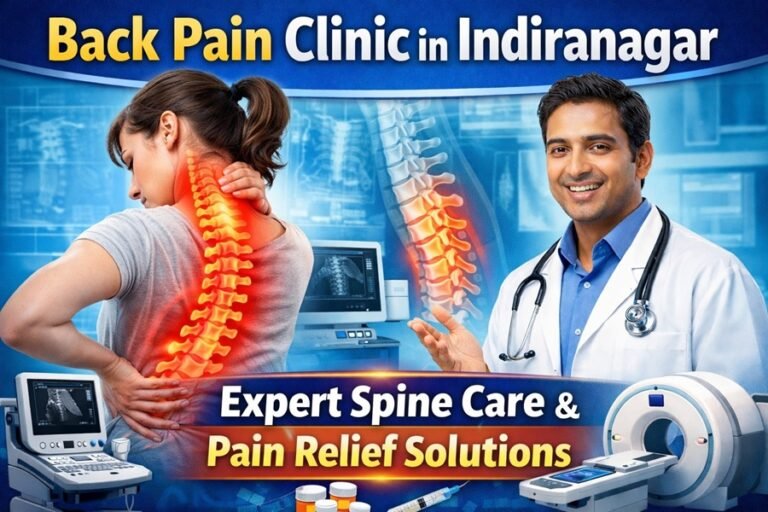
Top Back Pain Clinic in Indiranagar for Slip Disc & Sciatica Treatment

0

Slip disc and sciatica are among the most painful spinal conditions affecting adults today. In fast-paced residential and commercial hubs like Indiranagar, prolonged sitting, poor posture, and lack of physical activity significantly increase the risk of lumbar spine problems. When lower back pain starts radiating down the leg with tingling or numbness, it often signals nerve involvement that requires structured medical care.

Choosing a specialized back pain clinic is crucial because disc-related conditions demand precise diagnosis and targeted rehabilitation rather than generic pain management.

Understanding Slip Disc and Sciatica

A slip disc, medically known as a herniated or prolapsed disc, occurs when the soft inner portion of a spinal disc pushes outward and irritates nearby nerves. When the sciatic nerve is compressed, patients experience sciatica—characterized by sharp, shooting pain that travels from the lower back through the buttock and down the leg.

Symptoms may include persistent lower back pain, burning sensation in the leg, numbness, muscle weakness, and difficulty standing or walking for long periods. Ignoring these signs can worsen nerve compression over time.

Why Expert Evaluation is Essential

Not all lower back pain is caused by disc problems. A reliable clinic performs a detailed assessment that includes spinal alignment evaluation, neurological testing, muscle strength analysis, and range-of-motion examination. If nerve compression is suspected, imaging such as MRI may be recommended.

This evidence-based approach ensures that treatment addresses the actual cause rather than just suppressing pain temporarily.

Non-Surgical Treatment Options That Deliver Results

The majority of slip disc and sciatica cases can be treated without surgery when managed early and correctly.

Structured Physiotherapy

Targeted physiotherapy focuses on strengthening core muscles, improving spinal stability, and reducing pressure on affected discs. Specific exercises help centralize pain and restore functional movement.

Spinal Traction Therapy

Controlled lumbar traction is often used to relieve nerve compression. By gently decompressing the spine, traction can reduce radiating leg pain and improve mobility.

Manual Therapy and Soft Tissue Techniques

Manual mobilization techniques improve joint flexibility and reduce stiffness. Myofascial release helps relieve muscle tightness surrounding the lumbar region.

Advanced Pain Relief Modalities

Shockwave therapy, laser therapy, ultrasound therapy, and TENS are commonly used to manage inflammation and accelerate healing. These therapies complement rehabilitation rather than replace corrective exercises.

Recovery Timeline and Expectations

Mild disc bulges may improve within four to six weeks with consistent therapy. Moderate cases involving significant nerve irritation may require a longer rehabilitation period. Adherence to prescribed exercises and posture correction plays a critical role in recovery.

Stopping therapy prematurely often leads to recurrence, especially if underlying muscle weakness is not corrected.

When is Surgery Considered?

Surgery is usually reserved for severe cases involving progressive neurological deficits, loss of bladder or bowel control, or failure of conservative treatment over several months. Most patients respond well to structured non-surgical spine care.

Importance of Lifestyle and Ergonomic Changes

Slip disc and sciatica are strongly linked to lifestyle habits. Correct sitting posture, lumbar support, regular movement breaks, and safe lifting techniques significantly reduce recurrence risk. Long-term spine health depends on maintaining core strength and flexibility.

Final Thoughts

A top back pain clinic in Indiranagar for slip disc and sciatica treatment offers comprehensive diagnosis, personalized rehabilitation programs, and advanced non-surgical care. Early intervention improves recovery outcomes and prevents chronic complications.

Instead of relying solely on medication, structured spine therapy combined with ergonomic correction provides lasting relief and restores functional mobility, allowing individuals to return to daily activities with confidence.

Tata Altroz On-Road Price 2026: A Complete Buyer’s Guide

0

Buying a car in India is often more than just a transaction; it’s a milestone. For many families, the hatchback segment remains the sweet spot between affordability, practicality, and style. Among the contenders, the Tata Altroz has carved out a unique space as India’s safest premium hatchback. But as inflation and technology evolve, so do car prices. If you are planning your purchase in the near future, understanding the Tata Altroz on-road price structure for 2026 is crucial for budgeting effectively.

In this comprehensive guide, we will break down the expected pricing, analyze the factors influencing costs, and help you decide if this 5-star safety-rated vehicle fits your financial plan.

Why the Tata Altroz Remains a Top Contender

Before we dive deep into the numbers, it is important to understand what you are paying for. The Altroz isn’t just another hatchback; it is the gold standard for safety in its segment.

The Gold Standard of Safety

When Tata Motors launched the Altroz, it made headlines by achieving a 5-star Global NCAP safety rating. For middle-class Indian families, this isn’t just a spec-sheet detail—it is peace of mind. The car is built on the ALFA (Agile Light Flexible Advanced) Architecture, which provides robust structural integrity.

Premium Design and Features

The “Laser” design language gives the Altroz a sharp, futuristic look that hasn’t aged a bit. Inside, you get a premium cabin experience with features that often rival compact SUVs. From the floating touchscreen infotainment system by Harman to the ambient lighting, the car feels more expensive than it actually is.

Expected Tata Altroz Price in 2026

Predicting car prices two years down the line involves analyzing current trends, inflation rates, and upcoming regulatory changes. As of now, the Tata Altroz price spans a broad range depending on the variant and fuel type (Petrol, Diesel, iCNG, and the anticipated Racer edition).

Estimated Price Breakdown by Variant

By 2026, we anticipate a marginal price hike due to stricter emission norms and input cost inflation. Here is a projected look at the showroom prices:

  • Base Model (XE Petrol): The entry-level trim is expected to start around ₹6.90 Lakh – ₹7.10 Lakh (Ex-Showroom).
  • Mid-Range (XM/XT): These value-for-money variants could range between ₹8.50 Lakh and ₹9.50 Lakh.
  • Top Model (XZ+ O / Racer): The Tata Altroz top model price will likely touch or exceed ₹11.50 Lakh (Ex-Showroom), especially for the turbo-petrol or automatic variants.

Calculating the On-Road Price

The “on-road” price is the final amount you pay to drive the car home. It includes the ex-showroom price plus several mandatory and optional costs:

  1. RTO (Road Tax): Varies by state (usually 8% to 14%).
  2. Insurance: Mandatory third-party + Own Damage cover.
  3. TCS (Tax Collected at Source): Applicable if the car value exceeds ₹10 Lakh.
  4. FASTag & Registration Charges.

Estimated 2026 On-Road Price Range: ₹8.00 Lakh to ₹13.50 Lakh.

Tata Altroz 2025 vs. 2026: What Changes?

If you are looking at the Tata Altroz 2025 model year versus waiting for 2026, the differences might be subtle but significant.

Tech Upgrades

Tata Motors frequently updates its lineup. By 2026, we expect standard inclusions of features currently reserved for top trims, such as six airbags across all variants (in line with potential government mandates), a larger 10.25-inch infotainment screen, and perhaps even ADAS (Advanced Driver Assistance Systems) features in the top-spec models.

Powertrain Refinements

The Tata Altroz mileage has always been a strong selling point, particularly the diesel and CNG versions. The 2026 models are expected to feature further refined engines to meet CAFE III (Corporate Average Fuel Economy) norms, potentially boosting fuel efficiency by 1-2 km/l.

Understanding the Variants: Which One is for You?

The Altroz lineup is extensive. Choosing the right one depends heavily on your daily usage.

1. The Petrol Manual (The City Slicker)

Perfect for short city commutes. The 1.2L Revotron engine is decent for urban traffic. If you ask, “What is the price of Tata Altroz petrol base model?”, it is the most accessible entry point into the premium hatchback segment.

2. The iCNG (The Mileage King)

Tata’s twin-cylinder technology has revolutionized the CNG market, offering usable boot space—a rarity in CNG cars. This is ideal for those driving 50+ km daily who want low running costs without sacrificing luggage space.

3. The Diesel (The Highway Cruiser)

The Altroz is one of the very few hatchbacks still offering a diesel engine. If you love long road trips and crave that torque punch, this is the one to get before diesel engines are phased out of smaller cars entirely.

4. The Altroz Racer (The Enthusiast’s Choice)

Expected to compete with the Hyundai i20 N Line, this variant will feature a more powerful engine and sporty aesthetics. Naturally, this will command the highest Tata Altroz top model price.

Fuel Efficiency: Tata Altroz Mileage Expectations

With fuel prices fluctuating, mileage is often the deciding factor. Here is what you can expect from the 2026 lineup:

  • Petrol MT: 19 – 20 km/l
  • Petrol DCA (Automatic): 18 – 19 km/l
  • Diesel: 23 – 26 km/l
  • iCNG: 26 – 28 km/kg

Note: These are estimated ARAI figures; real-world mileage will depend on driving conditions.

Hidden Costs to Consider Before Buying

When budgeting for the Tata Altroz on road price, don’t forget these often-overlooked expenses:

  • Extended Warranty: Highly recommended for peace of mind, usually costing ₹15,000 – ₹20,000.
  • Accessories Pack: Basic kits (mats, mud flaps) can add ₹5,000 to ₹10,000.
  • Maintenance: While Tata service is affordable, budget around ₹4,000 – ₹6,000 annually for scheduled service.

Is the Tata Altroz Worth the Price in 2026?

The compact SUV segment (Punch, Nexon) is booming, often overlapping with the Altroz’s price bracket. So, why choose a hatchback?

Pros:

  • Handling: Lower center of gravity means better cornering and stability than tall-boy SUVs.
  • Comfort: Rear-seat comfort and legroom in the Altroz are superior to many entry-level SUVs.
  • Safety: The 5-star rating is a proven benchmark.

Cons:

  • Engine Refinement: The 3-cylinder petrol engine can be noisy compared to 4-cylinder rivals.
  • Ground Clearance: While 165mm is adequate, it is lower than SUVs like the Punch.

If your priority is driving dynamics, safety, and a premium cabin feel without the “SUV tax,” the Altroz remains a stellar value proposition.

Frequently Asked Questions (FAQs)

1. What is the expected Tata Altroz on road price for the top model in 2026?

By 2026, the on-road price for the top-spec Altroz (likely the XZ+ O or Racer edition with DCA) is estimated to be between ₹12.50 Lakh and ₹13.50 Lakh, depending on the state taxes and insurance costs.

2. Will the Tata Altroz 2025 model get a facelift?

Yes, industry rumors suggest a significant facelift around late 2024 or 2025. This update will likely include a refreshed front grille, new alloy wheels, and interior tech upgrades like a larger touchscreen and digital instrument cluster.

3. Is the Tata Altroz diesel variant being discontinued?

While many manufacturers have ditched small diesel engines, Tata Motors has continued with the Altroz diesel due to steady demand. However, with stricter emission norms looming, the price gap between petrol and diesel variants may widen by 2026.

4. How does the Tata Altroz mileage compare to the Maruti Baleno?

The Maruti Baleno generally offers slightly higher mileage in the petrol segment due to its lighter weight. However, the Tata Altroz iCNG variant offers competitive efficiency (26+ km/kg) combined with better safety ratings and build quality.

Final Verdict

The Tata Altroz continues to be a sensible, safe, and stylish choice for Indian roads. While the Tata Altroz on road price in 2026 will inevitably be higher than today, the car’s value proposition—rooted in 5-star safety and premium features—remains intact. Whether you are eyeing the economical iCNG or the spirited Altroz Racer, planning your finances now will help you drive home your dream car with confidence.

Read Also: How to Check Transmission Fluid: A Step-by-Step Guide

iON Digital Zone IDZ2 Mathura Road: Complete Exam Center Guide

0

Preparing for a competitive exam requires months of dedication, late-night study sessions, and rigorous practice. However, all that preparation can go to waste if you don’t plan your logistics for the big day. If your admit card lists iON Digital Zone IDZ2 Mathura Road as your venue, you are heading to one of the most prominent computer-based test centers in the National Capital Region.

Navigating to an unfamiliar exam center can be a source of significant anxiety. Traffic jams, confusing directions, or missing landmarks can lead to panic right before your test begins. This comprehensive guide provides everything you need to know about this specific center, including the best transport options, facility details, and tips for a smooth exam day.

Exact Location and Address Details

Accuracy is vital when you are booking a cab or setting up your GPS. The center is situated in a bustling industrial area, which can be confusing due to the number of similar-looking buildings.

The specific facility is located at Plot No. A-27. When looking for the center on maps, you might see it listed as iON Digital Zone IDZ2 Mathura Road a27. It is nestled within the Mohan Cooperative Industrial Estate, near Sarita Vihar.

Full Address for Navigation:
iON Digital Zone iDZ 2
Plot No. A-27, Mathura Road,
Mohan Cooperative Industrial Estate,
Near Sarita Vihar Metro Station,
New Delhi, Delhi – 110044.

How to Reach iON Digital Zone IDZ2 Mathura Road Mohan Cooperative Estate

The iON Digital Zone IDZ2 Mathura Road Mohan Cooperative Estate is well-connected by public transport, which is often the most reliable option given Delhi’s unpredictable traffic.

By Metro (Recommended)

The Delhi Metro is the safest bet for reaching the center on time.

  • Nearest Station: Sarita Vihar Metro Station (Violet Line).
  • Walking Distance: The center is approximately 300 to 500 meters from the metro exit.
  • Directions: Exit towards the Mathura Road side. You can usually see the large TCS iON signage from the main road, or follow the flow of students, as this is a very busy center on exam days.

By Road and Cab

If you are driving or taking a cab, Mathura Road (NH-19) is a major arterial route. However, be aware that this road sees heavy heavy commercial traffic.

  • Landmark: Look for the Metro Pillar numbers or the Haldiram’s outlet, which is further down the road but serves as a good general directional marker.
  • Parking: Parking inside the compound is generally not permitted for candidates. You may have to park on the service lanes outside, which can be risky and crowded.

Confusion Regarding Locations: Delhi vs. Hyderabad

It is common for students to get confused by similar-sounding center names across India. We often see search queries for iON Digital Zone IDZ2 Mathura Road Hyderabad.

It is important to clarify that Mathura Road is a major road in Delhi. If your admit card mentions “Mathura Road,” you are almost certainly in New Delhi, not Hyderabad. Hyderabad has its own network of TCS iON centers (such as those in Moula Ali or Auricle Technologies), but they are not located on a “Mathura Road.” Always double-check the state and pin code on your hall ticket to ensure you aren’t looking at the wrong city.

Facilities and Exam Day Protocol

Knowing what to expect once you step inside the gate can help you stay calm.

Security and Entry

The security procedures at iON centers are strict. You will likely undergo:

  • Frisking with metal detectors.
  • Biometric registration (fingerprint and photo capture).
  • Document verification (Admit card and original ID proof).

Bag Storage

While there is usually a designated area or “cloakroom” to leave bags and mobile phones, it is often a makeshift arrangement. The center does not take responsibility for valuables. It is highly advisable to travel light. If possible, leave expensive phones and bags at home or with a guardian accompanying you.

Inside the Lab

The computer labs are air-conditioned and equipped with CCTV surveillance. You will be provided with rough sheets and a pen/pencil (depending on the specific exam rules). The systems are standard, and technical glitches are rare, but technical support staff are always present if you face issues.

Checklist for a Stress-Free Exam

To ensure you perform your best, follow this simple checklist:

  1. Visit the Center Early: If you live in Delhi, try to do a “recce” or dry run of the location a day before.
  2. Calculate Travel Time: Google Maps estimates are often optimistic. Add a 30-minute buffer to your travel time.
  3. Check Your Documents: Ensure you have your printed admit card, a valid original photo ID (Aadhar, PAN, Voter ID), and recent passport-sized photographs.
  4. Dress comfortably: Avoid wearing too much metal (jewelry, large buckles) to speed up the frisking process.

Conclusion

Success in any competitive exam is a combination of preparation and execution. By knowing exactly where iON Digital Zone IDZ2 Mathura Road is and how to get there, you remove the logistical stress from the equation. Whether you take the Violet Line metro or drive down to the iON Digital Zone IDZ2 Mathura Road a27 location, plan your journey meticulously.

Trust your preparation, reach the venue with time to spare, and walk into that exam hall with confidence.

Frequently Asked Questions (FAQs)

What is the nearest metro station to iON Digital Zone IDZ2 Mathura Road?

The nearest metro station is Sarita Vihar on the Violet Line. The exam center is within walking distance (approx. 5-7 minutes) from the station exit.

Is parking available for candidates at the center?

Generally, parking inside the main gate of iON Digital Zone IDZ2 Mathura Road Mohan Cooperative Estate is reserved for staff and officials. Candidates usually have to find parking on the service road outside, which is at their own risk. Taking the metro or being dropped off is recommended.

Is there a place to keep bags and mobile phones?

Yes, the center usually provides a bag deposit counter near the entrance. However, the facility can get very crowded, and the center accepts no liability for loss. It is best to avoid carrying valuable items.

How do I locate the center if I am coming from Badarpur Border?

If you are coming from the Badarpur side, move towards Sarita Vihar on Mathura Road. The center (Plot A-27) will be on your left side in the Mohan Cooperative Industrial Estate, just before the Sarita Vihar Metro Station.

Read Also: Cars Under 10 Lakhs: Ranking the Kings of Mileage, Space & Comfort

Pin to Pin Distance Search: A Guide to Shipping & GST

0

In the complex world of logistics and supply chain management, precision is everything. Whether you are an e-commerce giant shipping thousands of parcels a day or a small business owner calculating delivery fees, knowing the exact distance between two locations is crucial. This is where the concept of pin to pin distance comes into play.

Accurately calculating the distance between two specific postal codes (or “pin codes” in India) isn’t just about geography; it’s about money, time, and compliance. For businesses operating under the Goods and Services Tax (GST) regime in India, for example, this calculation determines the validity of e-way bills. For others, it defines shipping zones and delivery estimates.

This guide explores everything you need to know about calculating distances based on postal codes, why it matters for your business, and the tools available to make a pin to pin distance search effortless.

Why Pin Code to Pin Code Distance Matters

Understanding the exact mileage between a pickup and drop-off point serves several critical functions in modern commerce. It goes beyond simple route planning.

1. Accurate Shipping Costs

Logistics companies rarely charge a flat fee for all locations. Pricing models often depend on specific distance slabs (e.g., 0-50 km, 51-200 km). By determining the pin code to pin code distance, businesses can automate shipping calculations, ensuring customers are charged the correct amount during checkout. This prevents revenue leakage from undercharging and cart abandonment from overcharging.

2. E-Way Bill Compliance (GST)

For businesses in India, the pin to pin distance GST regulations are a significant compliance factor. When generating an e-way bill for the movement of goods, the transporter must declare the approximate distance.

  • If the distance entered is significantly less than the actual distance, the e-way bill might be flagged or rejected.
  • The GST portal uses a built-in “Pin to Pin” distance API to verify these details.
  • Incorrect distance calculations can lead to penalties or the detention of goods during transit.

3. Delivery Time Estimates

Customer satisfaction hinges on accurate delivery promises. Knowing the pin code to pin code distance in km allows logistics software to predict transit times more reliably, factoring in road conditions and average speeds for that specific route.

How Pin to Pin Distance Search Works

You might wonder how these systems calculate the distance. Do they draw a straight line on a map? Not exactly.

The “Crow Flight” vs. Road Distance

  • Crow Flight (Geodesic Distance): This measures the shortest path between two points on the earth’s surface “as the crow flies.” While mathematically simple, it is useless for logistics because trucks cannot drive through buildings or over rivers without bridges.
  • Road Distance: A reliable pin to pin distance search tool calculates the actual driving route. It accounts for highways, one-way streets, and available infrastructure. This is the metric used for billing and GST compliance.

The Technology Behind the Search

Most modern distance calculators use APIs (Application Programming Interfaces) like Google Maps or OpenStreetMap. When you enter a source and destination pin code:

  1. The system converts the pin codes into geographic coordinates (Latitude and Longitude).
  2. It plots a route along the available road network.
  3. It returns the distance in kilometers or miles.

Calculating Pin to Pin Distance for GST

One of the most common queries regarding this topic relates to the Goods and Services Tax network in India. The e-way bill system requires a specific approach to distance.

The GST portal provides a dedicated feature to help transporters and suppliers find the distance between the dispatch and delivery locations. Here is how you can use it:

  1. Access the Portal: Visit the official e-way bill system website.
  2. Locate the Tool: Look for the “Search” option on the homepage and select “Pin to Pin Distance.”
  3. Enter Details: You will need to input the Dispatch Pin Code (Source) and the Ship To Pin Code (Destination).
  4. Get Results: The system will display the pin code to pin code distance in km.

Pro Tip: The GST portal allows a margin of error. However, it is always safer to use the maximum distance suggested by the portal to avoid validity expiration issues. If the e-way bill validity expires before the goods reach the destination because the distance was underestimated, you will face logistical headaches.

Tools for Pin Code to Pin Code Distance in Km

While government portals are essential for compliance, private businesses often need faster, bulk solutions.

1. Logistics Management Software (LMS)

Enterprise-grade LMS platforms often have built-in distance calculators. They verify addresses and calculate shipping zones automatically as soon as an order is placed.

2. Google Maps API

For developers building their own websites, integrating the Google Maps Distance Matrix API is the gold standard. It provides highly accurate real-time traffic data and precise road distances.

3. Third-Party Web Calculators

For small business owners who don’t need automated API integration, several free websites allow you to perform a pin to pin distance search manually. These are great for occasional checks or verifying quotes from logistics partners.

Common Challenges and How to Solve Them

Calculating distance seems straightforward, but issues can arise.

1. New or Changed Pin Codes

Postal codes change. New housing developments get new codes, and boundaries shift. If a pin code to pin code distance tool returns an error, it is likely because the code is too new to be in the database.

  • Solution: Use the nearest major hub’s pin code for calculation and mention the specific landmark in the address field.

2. Multiple Routes

There are often two or three ways to get from Point A to Point B. One might be shorter but have worse roads; another might be a longer highway route.

  • Solution: For GST purposes, standard practice usually dictates using the distance of the most viable commercial route, not necessarily the shortest geographical line.

3. Discrepancies Between Tools

You might find that Google Maps says 150km while the GST portal says 165km.

  • Solution: Always prioritize the tool relevant to your specific task. If generating an e-way bill, use the GST portal’s data. If calculating fuel costs for your fleet, use a GPS-based tool like Google Maps.

Optimizing Your Logistics Strategy

Mastering pin to pin distance is the first step toward a data-driven supply chain. Once you have accurate distance data, you can start optimizing other areas of your business:

  • Route Optimization: Group deliveries in close proximity to save fuel.
  • Carrier Selection: Choose different courier partners for local (intra-city) vs. national (inter-state) deliveries based on distance slabs.
  • Customer Transparency: Display accurate delivery fees at checkout rather than surprising customers later.

By leveraging accurate distance data, you move your business from estimation to precision.

Frequently Asked Questions (FAQ)

How is pin to pin distance calculated for e-way bills?

The e-way bill system uses a database of pin codes to calculate the motorable distance between the source and destination. You can check this manually on the e-way bill portal under the “Search” tab by entering the source and destination pin codes.

What should I do if the actual distance is different from the GST portal distance?

The GST portal allows for a 10% variation in distance. However, if the discrepancy is significant, it is recommended to enter the actual distance as per your vehicle’s odometer or a trusted GPS service, provided you can justify it if stopped for inspection.

Does pin to pin distance measure a straight line or road distance?

For logistics and GST purposes, the distance is always measured based on the road route (motorable distance), not a straight line (crow flight), as trucks must travel via roads.

Can I calculate pin code to pin code distance in km for bulk addresses?

Yes, many third-party logistics software and API services allow you to upload a spreadsheet of pin codes to calculate distances in bulk. The standard government portal typically allows checking one pair at a time.

Read Also: Business Lunch Networking: Master the Art of the Hosted Lunch