
Tata Altroz On-Road Price 2026: A Complete Buyer’s Guide

0

Buying a car in India is often more than just a transaction; it’s a milestone. For many families, the hatchback segment remains the sweet spot between affordability, practicality, and style. Among the contenders, the Tata Altroz has carved out a unique space as India’s safest premium hatchback. But as inflation and technology evolve, so do car prices. If you are planning your purchase in the near future, understanding the Tata Altroz on-road price structure for 2026 is crucial for budgeting effectively.

In this comprehensive guide, we will break down the expected pricing, analyze the factors influencing costs, and help you decide if this 5-star safety-rated vehicle fits your financial plan.

Why the Tata Altroz Remains a Top Contender

Before we dive deep into the numbers, it is important to understand what you are paying for. The Altroz isn’t just another hatchback; it is the gold standard for safety in its segment.

The Gold Standard of Safety

When Tata Motors launched the Altroz, it made headlines by achieving a 5-star Global NCAP safety rating. For middle-class Indian families, this isn’t just a spec-sheet detail—it is peace of mind. The car is built on the ALFA (Agile Light Flexible Advanced) Architecture, which provides robust structural integrity.

Premium Design and Features

The “Laser” design language gives the Altroz a sharp, futuristic look that hasn’t aged a bit. Inside, you get a premium cabin experience with features that often rival compact SUVs. From the floating touchscreen infotainment system by Harman to the ambient lighting, the car feels more expensive than it actually is.

Expected Tata Altroz Price in 2026

Predicting car prices two years down the line involves analyzing current trends, inflation rates, and upcoming regulatory changes. As of now, the Tata Altroz price spans a broad range depending on the variant and fuel type (Petrol, Diesel, iCNG, and the anticipated Racer edition).

Estimated Price Breakdown by Variant

By 2026, we anticipate a marginal price hike due to stricter emission norms and input cost inflation. Here is a projected look at the showroom prices:

  • Base Model (XE Petrol): The entry-level trim is expected to start around ₹6.90 Lakh – ₹7.10 Lakh (Ex-Showroom).
  • Mid-Range (XM/XT): These value-for-money variants could range between ₹8.50 Lakh and ₹9.50 Lakh.
  • Top Model (XZ+ O / Racer): The Tata Altroz top model price will likely touch or exceed ₹11.50 Lakh (Ex-Showroom), especially for the turbo-petrol or automatic variants.

Calculating the On-Road Price

The “on-road” price is the final amount you pay to drive the car home. It includes the ex-showroom price plus several mandatory and optional costs:

  1. RTO (Road Tax): Varies by state (usually 8% to 14%).
  2. Insurance: Mandatory third-party + Own Damage cover.
  3. TCS (Tax Collected at Source): Applicable if the car value exceeds ₹10 Lakh.
  4. FASTag & Registration Charges.

Estimated 2026 On-Road Price Range: ₹8.00 Lakh to ₹13.50 Lakh.

Tata Altroz 2025 vs. 2026: What Changes?

If you are looking at the Tata Altroz 2025 model year versus waiting for 2026, the differences might be subtle but significant.

Tech Upgrades

Tata Motors frequently updates its lineup. By 2026, we expect standard inclusions of features currently reserved for top trims, such as six airbags across all variants (in line with potential government mandates), a larger 10.25-inch infotainment screen, and perhaps even ADAS (Advanced Driver Assistance Systems) features in the top-spec models.

Powertrain Refinements

The Tata Altroz mileage has always been a strong selling point, particularly the diesel and CNG versions. The 2026 models are expected to feature further refined engines to meet CAFE III (Corporate Average Fuel Economy) norms, potentially boosting fuel efficiency by 1-2 km/l.

Understanding the Variants: Which One is for You?

The Altroz lineup is extensive. Choosing the right one depends heavily on your daily usage.

1. The Petrol Manual (The City Slicker)

Perfect for short city commutes. The 1.2L Revotron engine is decent for urban traffic. If you ask, “What is the price of Tata Altroz petrol base model?”, it is the most accessible entry point into the premium hatchback segment.

2. The iCNG (The Mileage King)

Tata’s twin-cylinder technology has revolutionized the CNG market, offering usable boot space—a rarity in CNG cars. This is ideal for those driving 50+ km daily who want low running costs without sacrificing luggage space.

3. The Diesel (The Highway Cruiser)

The Altroz is one of the very few hatchbacks still offering a diesel engine. If you love long road trips and crave that torque punch, this is the one to get before diesel engines are phased out of smaller cars entirely.

4. The Altroz Racer (The Enthusiast’s Choice)

Expected to compete with the Hyundai i20 N Line, this variant will feature a more powerful engine and sporty aesthetics. Naturally, this will command the highest Tata Altroz top model price.

Fuel Efficiency: Tata Altroz Mileage Expectations

With fuel prices fluctuating, mileage is often the deciding factor. Here is what you can expect from the 2026 lineup:

  • Petrol MT: 19 – 20 km/l
  • Petrol DCA (Automatic): 18 – 19 km/l
  • Diesel: 23 – 26 km/l
  • iCNG: 26 – 28 km/kg

Note: These are estimated ARAI figures; real-world mileage will depend on driving conditions.

Hidden Costs to Consider Before Buying

When budgeting for the Tata Altroz on road price, don’t forget these often-overlooked expenses:

  • Extended Warranty: Highly recommended for peace of mind, usually costing ₹15,000 – ₹20,000.
  • Accessories Pack: Basic kits (mats, mud flaps) can add ₹5,000 to ₹10,000.
  • Maintenance: While Tata service is affordable, budget around ₹4,000 – ₹6,000 annually for scheduled service.

Is the Tata Altroz Worth the Price in 2026?

The compact SUV segment (Punch, Nexon) is booming, often overlapping with the Altroz’s price bracket. So, why choose a hatchback?

Pros:

  • Handling: Lower center of gravity means better cornering and stability than tall-boy SUVs.
  • Comfort: Rear-seat comfort and legroom in the Altroz are superior to many entry-level SUVs.
  • Safety: The 5-star rating is a proven benchmark.

Cons:

  • Engine Refinement: The 3-cylinder petrol engine can be noisy compared to 4-cylinder rivals.
  • Ground Clearance: While 165mm is adequate, it is lower than SUVs like the Punch.

If your priority is driving dynamics, safety, and a premium cabin feel without the “SUV tax,” the Altroz remains a stellar value proposition.

Frequently Asked Questions (FAQs)

1. What is the expected Tata Altroz on road price for the top model in 2026?

By 2026, the on-road price for the top-spec Altroz (likely the XZ+ O or Racer edition with DCA) is estimated to be between ₹12.50 Lakh and ₹13.50 Lakh, depending on the state taxes and insurance costs.

2. Will the Tata Altroz 2025 model get a facelift?

Yes, industry rumors suggest a significant facelift around late 2024 or 2025. This update will likely include a refreshed front grille, new alloy wheels, and interior tech upgrades like a larger touchscreen and digital instrument cluster.

3. Is the Tata Altroz diesel variant being discontinued?

While many manufacturers have ditched small diesel engines, Tata Motors has continued with the Altroz diesel due to steady demand. However, with stricter emission norms looming, the price gap between petrol and diesel variants may widen by 2026.

4. How does the Tata Altroz mileage compare to the Maruti Baleno?

The Maruti Baleno generally offers slightly higher mileage in the petrol segment due to its lighter weight. However, the Tata Altroz iCNG variant offers competitive efficiency (26+ km/kg) combined with better safety ratings and build quality.

Final Verdict

The Tata Altroz continues to be a sensible, safe, and stylish choice for Indian roads. While the Tata Altroz on road price in 2026 will inevitably be higher than today, the car’s value proposition—rooted in 5-star safety and premium features—remains intact. Whether you are eyeing the economical iCNG or the spirited Altroz Racer, planning your finances now will help you drive home your dream car with confidence.

Read Also: How to Check Transmission Fluid: A Step-by-Step Guide
iON Digital Zone IDZ2 Mathura Road: Complete Exam Center Guide

0

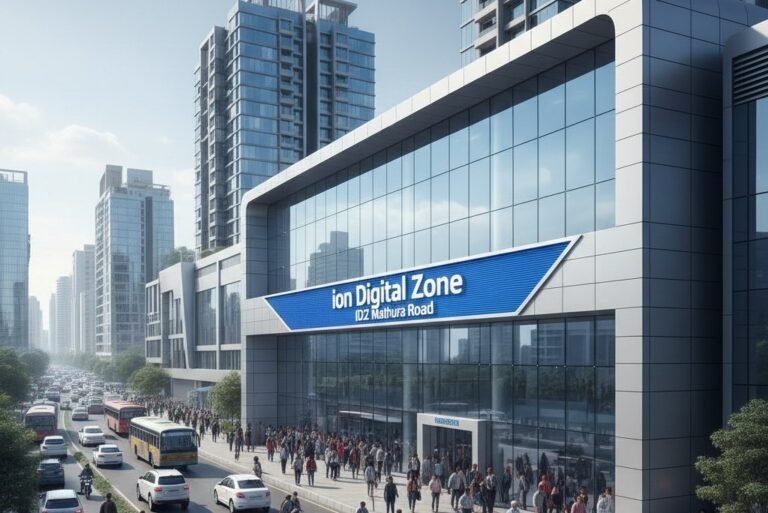
Preparing for a competitive exam requires months of dedication, late-night study sessions, and rigorous practice. However, all that preparation can go to waste if you don’t plan your logistics for the big day. If your admit card lists iON Digital Zone IDZ2 Mathura Road as your venue, you are heading to one of the most prominent computer-based test centers in the National Capital Region.

Navigating to an unfamiliar exam center can be a source of significant anxiety. Traffic jams, confusing directions, or missing landmarks can lead to panic right before your test begins. This comprehensive guide provides everything you need to know about this specific center, including the best transport options, facility details, and tips for a smooth exam day.

Exact Location and Address Details

Accuracy is vital when you are booking a cab or setting up your GPS. The center is situated in a bustling industrial area, which can be confusing due to the number of similar-looking buildings.

The specific facility is located at Plot No. A-27. When looking for the center on maps, you might see it listed as iON Digital Zone IDZ2 Mathura Road a27. It is nestled within the Mohan Cooperative Industrial Estate, near Sarita Vihar.

Full Address for Navigation:
iON Digital Zone iDZ 2
Plot No. A-27, Mathura Road,
Mohan Cooperative Industrial Estate,
Near Sarita Vihar Metro Station,
New Delhi, Delhi – 110044.

How to Reach iON Digital Zone IDZ2 Mathura Road Mohan Cooperative Estate

The iON Digital Zone IDZ2 Mathura Road Mohan Cooperative Estate is well-connected by public transport, which is often the most reliable option given Delhi’s unpredictable traffic.

By Metro (Recommended)

The Delhi Metro is the safest bet for reaching the center on time.

  • Nearest Station: Sarita Vihar Metro Station (Violet Line).
  • Walking Distance: The center is approximately 300 to 500 meters from the metro exit.
  • Directions: Exit towards the Mathura Road side. You can usually see the large TCS iON signage from the main road, or follow the flow of students, as this is a very busy center on exam days.

By Road and Cab

If you are driving or taking a cab, Mathura Road (NH-19) is a major arterial route. However, be aware that this road sees heavy heavy commercial traffic.

  • Landmark: Look for the Metro Pillar numbers or the Haldiram’s outlet, which is further down the road but serves as a good general directional marker.
  • Parking: Parking inside the compound is generally not permitted for candidates. You may have to park on the service lanes outside, which can be risky and crowded.

Confusion Regarding Locations: Delhi vs. Hyderabad

It is common for students to get confused by similar-sounding center names across India. We often see search queries for iON Digital Zone IDZ2 Mathura Road Hyderabad.

It is important to clarify that Mathura Road is a major road in Delhi. If your admit card mentions “Mathura Road,” you are almost certainly in New Delhi, not Hyderabad. Hyderabad has its own network of TCS iON centers (such as those in Moula Ali or Auricle Technologies), but they are not located on a “Mathura Road.” Always double-check the state and pin code on your hall ticket to ensure you aren’t looking at the wrong city.

Facilities and Exam Day Protocol

Knowing what to expect once you step inside the gate can help you stay calm.

Security and Entry

The security procedures at iON centers are strict. You will likely undergo:

  • Frisking with metal detectors.
  • Biometric registration (fingerprint and photo capture).
  • Document verification (Admit card and original ID proof).

Bag Storage

While there is usually a designated area or “cloakroom” to leave bags and mobile phones, it is often a makeshift arrangement. The center does not take responsibility for valuables. It is highly advisable to travel light. If possible, leave expensive phones and bags at home or with a guardian accompanying you.

Inside the Lab

The computer labs are air-conditioned and equipped with CCTV surveillance. You will be provided with rough sheets and a pen/pencil (depending on the specific exam rules). The systems are standard, and technical glitches are rare, but technical support staff are always present if you face issues.

Checklist for a Stress-Free Exam

To ensure you perform your best, follow this simple checklist:

  1. Visit the Center Early: If you live in Delhi, try to do a “recce” or dry run of the location a day before.
  2. Calculate Travel Time: Google Maps estimates are often optimistic. Add a 30-minute buffer to your travel time.
  3. Check Your Documents: Ensure you have your printed admit card, a valid original photo ID (Aadhar, PAN, Voter ID), and recent passport-sized photographs.
  4. Dress comfortably: Avoid wearing too much metal (jewelry, large buckles) to speed up the frisking process.

Conclusion

Success in any competitive exam is a combination of preparation and execution. By knowing exactly where iON Digital Zone IDZ2 Mathura Road is and how to get there, you remove the logistical stress from the equation. Whether you take the Violet Line metro or drive down to the iON Digital Zone IDZ2 Mathura Road a27 location, plan your journey meticulously.

Trust your preparation, reach the venue with time to spare, and walk into that exam hall with confidence.

Frequently Asked Questions (FAQs)

What is the nearest metro station to iON Digital Zone IDZ2 Mathura Road?

The nearest metro station is Sarita Vihar on the Violet Line. The exam center is within walking distance (approx. 5-7 minutes) from the station exit.

Is parking available for candidates at the center?

Generally, parking inside the main gate of iON Digital Zone IDZ2 Mathura Road Mohan Cooperative Estate is reserved for staff and officials. Candidates usually have to find parking on the service road outside, which is at their own risk. Taking the metro or being dropped off is recommended.

Is there a place to keep bags and mobile phones?

Yes, the center usually provides a bag deposit counter near the entrance. However, the facility can get very crowded, and the center accepts no liability for loss. It is best to avoid carrying valuable items.

How do I locate the center if I am coming from Badarpur Border?

If you are coming from the Badarpur side, move towards Sarita Vihar on Mathura Road. The center (Plot A-27) will be on your left side in the Mohan Cooperative Industrial Estate, just before the Sarita Vihar Metro Station.

Read Also: Cars Under 10 Lakhs: Ranking the Kings of Mileage, Space & Comfort

Pin to Pin Distance Search: A Guide to Shipping & GST

0

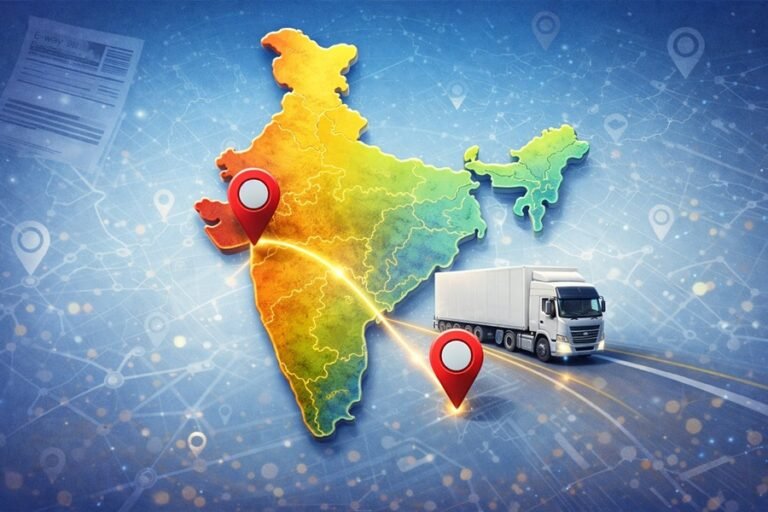
In the complex world of logistics and supply chain management, precision is everything. Whether you are an e-commerce giant shipping thousands of parcels a day or a small business owner calculating delivery fees, knowing the exact distance between two locations is crucial. This is where the concept of pin to pin distance comes into play.

Accurately calculating the distance between two specific postal codes (or “pin codes” in India) isn’t just about geography; it’s about money, time, and compliance. For businesses operating under the Goods and Services Tax (GST) regime in India, for example, this calculation determines the validity of e-way bills. For others, it defines shipping zones and delivery estimates.

This guide explores everything you need to know about calculating distances based on postal codes, why it matters for your business, and the tools available to make a pin to pin distance search effortless.

Why Pin Code to Pin Code Distance Matters

Understanding the exact mileage between a pickup and drop-off point serves several critical functions in modern commerce. It goes beyond simple route planning.

1. Accurate Shipping Costs

Logistics companies rarely charge a flat fee for all locations. Pricing models often depend on specific distance slabs (e.g., 0-50 km, 51-200 km). By determining the pin code to pin code distance, businesses can automate shipping calculations, ensuring customers are charged the correct amount during checkout. This prevents revenue leakage from undercharging and cart abandonment from overcharging.

2. E-Way Bill Compliance (GST)

For businesses in India, the pin to pin distance GST regulations are a significant compliance factor. When generating an e-way bill for the movement of goods, the transporter must declare the approximate distance.

  • If the distance entered is significantly less than the actual distance, the e-way bill might be flagged or rejected.
  • The GST portal uses a built-in “Pin to Pin” distance API to verify these details.
  • Incorrect distance calculations can lead to penalties or the detention of goods during transit.

3. Delivery Time Estimates

Customer satisfaction hinges on accurate delivery promises. Knowing the pin code to pin code distance in km allows logistics software to predict transit times more reliably, factoring in road conditions and average speeds for that specific route.

How Pin to Pin Distance Search Works

You might wonder how these systems calculate the distance. Do they draw a straight line on a map? Not exactly.

The “Crow Flight” vs. Road Distance

  • Crow Flight (Geodesic Distance): This measures the shortest path between two points on the earth’s surface “as the crow flies.” While mathematically simple, it is useless for logistics because trucks cannot drive through buildings or over rivers without bridges.
  • Road Distance: A reliable pin to pin distance search tool calculates the actual driving route. It accounts for highways, one-way streets, and available infrastructure. This is the metric used for billing and GST compliance.

The Technology Behind the Search

Most modern distance calculators use APIs (Application Programming Interfaces) like Google Maps or OpenStreetMap. When you enter a source and destination pin code:

  1. The system converts the pin codes into geographic coordinates (Latitude and Longitude).
  2. It plots a route along the available road network.
  3. It returns the distance in kilometers or miles.

Calculating Pin to Pin Distance for GST

One of the most common queries regarding this topic relates to the Goods and Services Tax network in India. The e-way bill system requires a specific approach to distance.

The GST portal provides a dedicated feature to help transporters and suppliers find the distance between the dispatch and delivery locations. Here is how you can use it:

  1. Access the Portal: Visit the official e-way bill system website.
  2. Locate the Tool: Look for the “Search” option on the homepage and select “Pin to Pin Distance.”
  3. Enter Details: You will need to input the Dispatch Pin Code (Source) and the Ship To Pin Code (Destination).
  4. Get Results: The system will display the pin code to pin code distance in km.

Pro Tip: The GST portal allows a margin of error. However, it is always safer to use the maximum distance suggested by the portal to avoid validity expiration issues. If the e-way bill validity expires before the goods reach the destination because the distance was underestimated, you will face logistical headaches.

Tools for Pin Code to Pin Code Distance in Km

While government portals are essential for compliance, private businesses often need faster, bulk solutions.

1. Logistics Management Software (LMS)

Enterprise-grade LMS platforms often have built-in distance calculators. They verify addresses and calculate shipping zones automatically as soon as an order is placed.

2. Google Maps API

For developers building their own websites, integrating the Google Maps Distance Matrix API is the gold standard. It provides highly accurate real-time traffic data and precise road distances.

3. Third-Party Web Calculators

For small business owners who don’t need automated API integration, several free websites allow you to perform a pin to pin distance search manually. These are great for occasional checks or verifying quotes from logistics partners.

Common Challenges and How to Solve Them

Calculating distance seems straightforward, but issues can arise.

1. New or Changed Pin Codes

Postal codes change. New housing developments get new codes, and boundaries shift. If a pin code to pin code distance tool returns an error, it is likely because the code is too new to be in the database.

  • Solution: Use the nearest major hub’s pin code for calculation and mention the specific landmark in the address field.

2. Multiple Routes

There are often two or three ways to get from Point A to Point B. One might be shorter but have worse roads; another might be a longer highway route.

  • Solution: For GST purposes, standard practice usually dictates using the distance of the most viable commercial route, not necessarily the shortest geographical line.

3. Discrepancies Between Tools

You might find that Google Maps says 150km while the GST portal says 165km.

  • Solution: Always prioritize the tool relevant to your specific task. If generating an e-way bill, use the GST portal’s data. If calculating fuel costs for your fleet, use a GPS-based tool like Google Maps.

Optimizing Your Logistics Strategy

Mastering pin to pin distance is the first step toward a data-driven supply chain. Once you have accurate distance data, you can start optimizing other areas of your business:

  • Route Optimization: Group deliveries in close proximity to save fuel.
  • Carrier Selection: Choose different courier partners for local (intra-city) vs. national (inter-state) deliveries based on distance slabs.
  • Customer Transparency: Display accurate delivery fees at checkout rather than surprising customers later.

By leveraging accurate distance data, you move your business from estimation to precision.

Frequently Asked Questions (FAQ)

How is pin to pin distance calculated for e-way bills?

The e-way bill system uses a database of pin codes to calculate the motorable distance between the source and destination. You can check this manually on the e-way bill portal under the “Search” tab by entering the source and destination pin codes.

What should I do if the actual distance is different from the GST portal distance?

The GST portal allows for a 10% variation in distance. However, if the discrepancy is significant, it is recommended to enter the actual distance as per your vehicle’s odometer or a trusted GPS service, provided you can justify it if stopped for inspection.

Does pin to pin distance measure a straight line or road distance?

For logistics and GST purposes, the distance is always measured based on the road route (motorable distance), not a straight line (crow flight), as trucks must travel via roads.

Can I calculate pin code to pin code distance in km for bulk addresses?

Yes, many third-party logistics software and API services allow you to upload a spreadsheet of pin codes to calculate distances in bulk. The standard government portal typically allows checking one pair at a time.

Read Also: Business Lunch Networking: Master the Art of the Hosted Lunch

TNTET Certificate 2026 | Download Your PDF Out @trb.tn.gov.in

0

The wait is finally over for thousands of aspiring teachers in Tamil Nadu! The Teachers Recruitment Board (TRB) has officially activated the link for the tntet exam e certificate download as of February 2, 2026. If you appeared for the TNTET Paper I or Paper II on November 15 or 16, 2025, and saw “Qualified” on your result sheet, your digital gateway to a teaching career is now live.

With the tntet result 2026 pdf download already processed, the issuance of these electronic certificates marks the final step in the eligibility cycle. These certificates now carry lifetime validity, meaning once you download and secure your copy, you are eligible for teacher recruitment in Tamil Nadu schools indefinitely.

How to Access the trb.tn.gov.in E-Certificate Download Portal

Navigating the official website during high-traffic periods can be tricky. To ensure a smooth tet e certificate download experience, follow this verified step-by-step guide:

  1. Visit the Official Portal: Go to the official Teachers Recruitment Board website at trb.tn.gov.in.

  2. Locate the Link: On the homepage, look for the notification titled “Click Here for TNTET Certificate Download Link.”

  3. Enter Credentials: You will be redirected to a secure login page. Select your Service Name and enter your Application Number or Registration ID.

  4. Verify via OTP/Password: Enter your Password or Date of Birth as prompted to verify your identity.

  5. Generate PDF: Once logged in, your dashboard will display the option to view your certificate. Click on it to see your digital document.

  6. Save & Print: Use the www trb tn gov in e certificate download feature to save the PDF to your device and take at least two color printouts for future document verification.

Key Details to Verify in Your TNTET E-Certificate

Once you complete the trb tn nic in certificate download, do not just close the tab. Examine the PDF carefully for any clerical errors. Your certificate must accurately reflect:

  • Candidate Name and Roll Number: Should match your hall ticket exactly.

  • Paper Type: Clearly stating Paper I (Primary) or Paper II (Upper Primary).

  • Qualifying Marks: Your final score as per the 2026 official assessment.

  • Validity Status: It should explicitly mention “Valid for Life.”

  • Digital Signature: Ensure the TRB official digital watermark/signature is visible.

Expert Tip: If you are a final-year student, ensure your degree or provisional certificates are uploaded to the TRB portal; otherwise, your e-certificate may remain “locked” until educational verification is complete.

Troubleshooting Common Download Issues

Many students report errors when attempting the tet e certificate download during peak hours. If the site is slow, try these fixes:

  • Clear Browser Cache: Old cookies can cause login loops.

  • Switch Browsers: Use Google Chrome or Mozilla Firefox for the best compatibility with the TRB server.

  • Off-Peak Access: The server is most stable between 10:00 PM and 7:00 AM.

  • Credential Recovery: If you forgot your ID, use the “Forgot User ID” link on the portal to receive a reset link via your registered email.

Frequently Asked Questions (FAQs)

1. Is the TNTET 2026 certificate valid for a lifetime? Yes! Following the latest government guidelines, the TNTET eligibility certificate now has lifetime validity. You no longer need to appear for the exam every seven years to maintain your eligibility.

2. I lost my original PDF. Can I perform a trb tn nic in certificate download again? Yes, you can log in to the dashboard and download your e-certificate multiple times. However, if you require a physical “Duplicate Certificate” issued by the office, a fee of ₹100 via Demand Draft may be required.

3. What are the qualifying marks for the 2026 certificate? For the General (OC) category, the qualifying mark is 90 (60%). For BC, BCM, MBC/DNC, and PwD, it is 75 (50%), and for SC/ST candidates, the minimum is 60 (40%).

4. Where is the direct link for the tntet exam e certificate download? The only authentic link is available at the official TRB website: trb.tn.gov.in. Avoid third-party links to protect your personal data.

Secure Your Future Today

Your TNTET certificate is more than just a PDF; it is your license to shape the future of Tamil Nadu. Download your copy today and keep it safe in your digital locker.

Need help with your specific login? Comment below or reach out to our team for a quick guide!

TNTET 2026 Certificate Download Tutorial This video provides a visual walk-through of the TRB portal, showing exactly where to click and how to enter your credentials to successfully download your e-certificate.

Read Also: NIFT Admit Card 2026 Live Updates: NTA NIFT Hall Ticket Release Date, Direct Link

NIFT Admit Card 2026 Live Updates: NTA NIFT Hall Ticket Release Date, Direct Link

0

The wait for thousands of fashion aspirants is almost over! If you are eyeing a seat at one of the prestigious National Institutes of Fashion Technology, the nta nift admit card 2026 is the most critical document you need right now. With the nift exam date 2026 officially set for February 8, 2026, the National Testing Agency (NTA) is expected to activate the download link today, February 4, 2026.

In this live guide, we bring you real-time updates on the hall ticket release, step-by-step download instructions, and essential exam-day protocols to ensure your journey to the exam center is as seamless as your designs.

NTA NIFT Admit Card 2026: Key Highlights & Live Status

As per the latest trends and NTA’s typical schedule, the admit card is usually released 3–4 days prior to the entrance test. Since the City Intimation Slip was already released on January 29, the final hall ticket is next in line.

Event Important Dates & Details
NIFT Exam Date 2026 February 8, 2026 (Sunday)
Admit Card Status Expected Today (Feb 4)
Official Website exams.nta.ac.in/NIFTEE/
Credentials Required Application Number & Date of Birth
Exam Mode GAT (CBT Mode) & CAT (Paper-Based)

Urgent Note: The nift registration 2026 last date (including late fees) has already passed on January 19, 2026. Only candidates who successfully completed their registration and fee payment will be issued a hall ticket.

How to Download your NTA NIFT 2026 Hall Ticket

Once the NTA activates the link on nift ac in 2026 and the NTA portal, follow these steps to secure your copy:

  1. Visit the Official Portal: Go to exams.nta.ac.in/NIFTEE/.

  2. Locate the Link: Click on the tab flashing “NIFT 2026 Admit Card Download.”

  3. Enter Credentials: Input your Application Number and Date of Birth (or Password).

  4. Security Pin: Type in the captcha/security pin as shown on the screen.

  5. Submit & Preview: Click ‘Submit’ and your admit card will appear. Check for any spelling errors or photo mismatches.

  6. Print: Download the PDF and take at least two color printouts on A4 size paper.

Essential Details to Check on Your NIFT 2026 Admit Card

Your admit card isn’t just an entry pass; it’s a guide to your specific exam slot. Ensure the following details are correct:

  • Candidate Profile: Your name, photograph, and digital signature.

  • Exam Timing: Specific slots for the General Ability Test (GAT) and Creative Ability Test (CAT).

  • Venue Address: The exact location of your assigned exam center among the 102 available cities.

  • Reporting Time: Usually, candidates are required to reach the center 60-90 minutes before the exam starts.

NIFT 2026 Exam Shift Timings

  • GAT (CBT): 10:00 AM to 1:00 PM (3 hours for B.F.Tech/M.F.M; 2 hours for B.Des/M.Des).

  • CAT (PBT): 3:00 PM to 6:00 PM (Specific to Design programs).

Pro-Tips for NIFT 2026 Aspirants

To avoid last-minute panic, keep these NTA guidelines in mind:

  • ID Proof: Carry an original Govt. ID (Aadhaar, PAN, or Passport).

  • Stationery: For the CAT paper, carry your own pencils, erasers, and coloring materials in a transparent pouch.

  • Photo: Carry two passport-size photographs (the same ones used during nta nift 2026 registration) to paste on the attendance sheet.

Conclusion

The nta nift admit card 2026 is your golden ticket to a career in the global fashion industry. Stay calm, keep your login credentials ready, and refresh the official NTA portal for the live link. Remember, the nift exam date 2026 of February 8 is non-negotiable, so plan your travel based on the city mentioned in your hall ticket.

Meta Description: Get the latest live updates on the NTA NIFT Admit Card 2026 release. Download your hall ticket, check exam dates, and see the direct link for NIFT 2026.

Frequently Asked Questions (FAQs)

Q1. When is the NIFT Exam Date 2026? The NIFT 2026 entrance exam for all UG and PG programs is scheduled for February 8, 2026.

Q2. Is the NIFT City Intimation Slip the same as the Admit Card? No. The city slip (released Jan 29) only informs you of the city. The nta nift admit card 2026 contains your specific center address, roll number, and exam timings.

Q3. What if there is an error on my NIFT hall ticket? If you find any discrepancy in your name or photo, contact the NTA Helpdesk immediately at 011-40759000 or email nift@nta.ac.in.

Q4. Can I show a digital copy of the admit card at the center? No, a physical, printed copy of the admit card is mandatory for entry. Digital versions on mobile phones will not be accepted.

Read Also: TNTET Certificate 2026 | Download Your PDF Out @trb.tn.gov.in

Fix White Spots on Phone Screens: DIY Guide & Causes

0

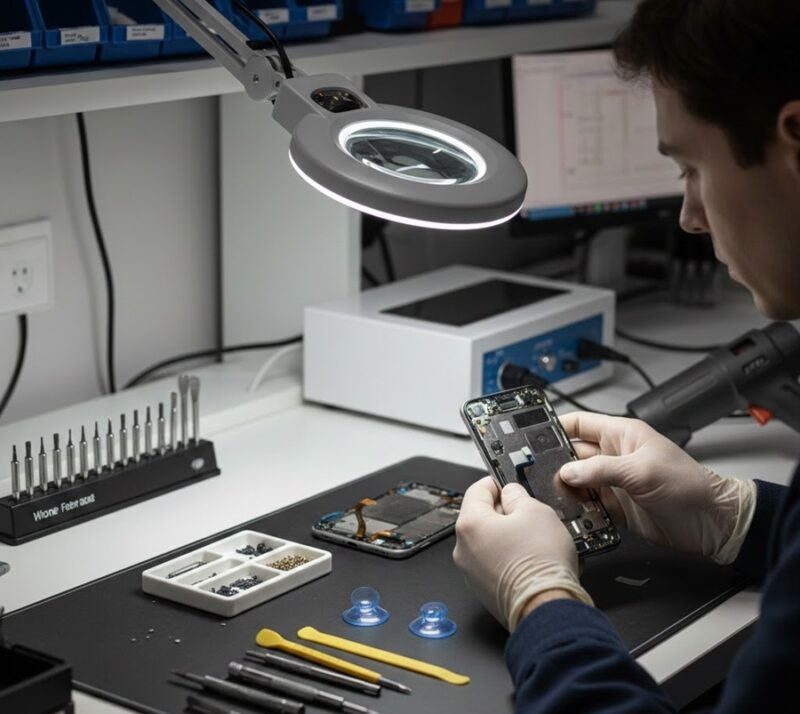
You pick up your smartphone to check a notification, the screen lights up, and there it is: a glaring, distracting white spot that wasn’t there yesterday. It’s brighter than the rest of the display, stubbornly sitting in the corner or center of your view. For anyone who values a pristine display—whether for gaming, streaming, or just daily use—this visual blemish is more than just annoying; it’s a disruption to your seamless tech experience.

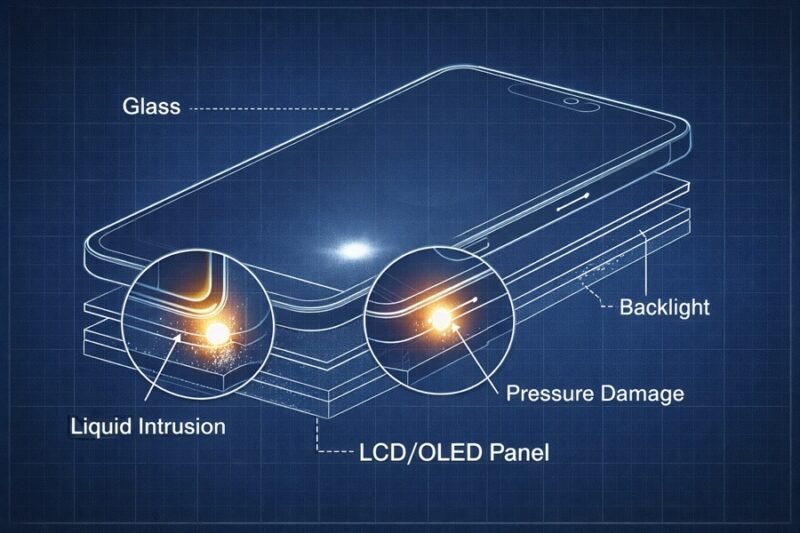
These bright spots, often referred to as “pressure spots” or “clouding,” are a common issue in modern LCD displays. While OLED screens (common in high-end flagships) have their own issues like burn-in, LCDs found in many mid-range and older flagship devices are susceptible to backlight irregularities. The good news is that seeing a white spot doesn’t immediately mean your device is destined for the recycling bin.

In this guide, we’ll break down exactly why these spots appear, how to diagnose the root cause, and the actionable steps you can take to banish them. Whether you’re ready to get hands-on with a DIY fix or need to know when to call in the pros, we’ve got you covered.

Identifying the Culprit: Why Do White Spots Appear?

Before you grab your toolkit, you need to understand the mechanics of the problem. A white spot on a phone screen typically indicates an issue with the backlight unit or the liquid crystal layer. Unlike dead pixels (which are black and fail to light up) or stuck pixels (which are usually red, green, or blue), a white spot is essentially a “hotspot” where light is passing through uncontrollably.

Issue Type Main Cause (Wajah) Best Solution (Hal)
White Spot Excessive Pressure ya Liquid Damage Massage, Heat, ya Screen Replacement
Dead Pixel Internal Hardware Failure (Black spot) Screen Replacement (DIY se theek nahi hota)
Stuck Pixel Pixel Voltage Glitch (Colored spot) Pixel Fixer App ya Software Tool
Cloudy Patch Moisture (Nami) ya Swollen Battery Battery Change ya Professional Cleaning

Here are the three most common causes:

LCD/OLED panel

1. Pressure Damage

This is the most frequent offender. Modern smartphones are incredibly thin, meaning there is very little space between the glass, the display panel, and the internal components. If excessive pressure is applied to a specific point on the screen—perhaps from sitting on your phone, dropping it, or a swollen battery pushing from the inside—the liquid crystals can get displaced or the backlight reflector can get crushed. This damage allows more light to bleed through a specific area, creating that signature bright spot.

Pressure Damage

2. Hardware Defects

Sometimes, it really isn’t your fault. Manufacturing imperfections can lead to uneven light distribution. If the optical adhesive used to bond the screen layers wasn’t cured properly, or if there is a slight misalignment in the backlight diffuser, spots can develop over time. This is often covered under warranty, but it can be frustrating for early adopters facing first-batch production issues.

3. Liquid Intrusion

We all know water and electronics don’t mix, but you don’t need to drop your phone in a pool to see damage. High humidity or a splash of liquid seeping into the charging port or speaker grille can work its way up to the backlight layer. When fluid gets between the film layers of the screen, it changes the refractive index, often causing bright, cloudy patches that look like water stains.

DIY Solutions: Can You Fix It Yourself?

If you are comfortable tinkering with your tech, there are a few methods you can try before resigning yourself to a screen replacement. However, proceed with caution: applying too much heat or pressure can worsen the issue.

Method 1: The Pressure Massage

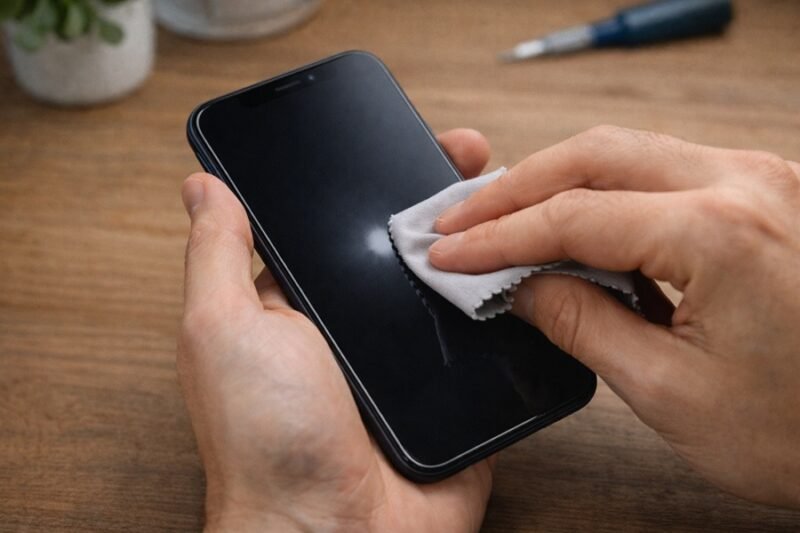
The Pressure Massage

If the spot is caused by a minor displacement of the internal layers (common with pressure damage), you might be able to nudge things back into place.

  1. Turn off the display: It’s easier to see surface contact without the backlight on, but you should periodically turn it on to check your progress.
  2. Use a soft cloth: Microfiber is best to avoid scratching the glass.
  3. Apply gentle pressure: Using your thumb or a soft eraser, gently press against the white spot.
  4. Work the edges: slowly massage from the center of the spot outward. The goal is to relieve the stuck pixels or trapped liquid crystal flow.
  5. Check results: Turn the screen on. If the spot has faded, you can repeat the process carefully.

Warning: Do not press so hard that you crack the glass or damage the digitizer.

Method 2: The Heat Treatment

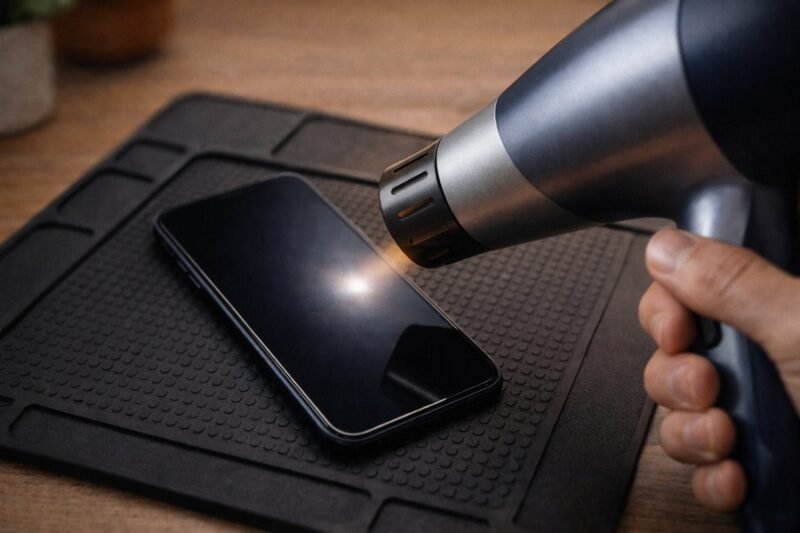
The Heat Treatment

In some cases, especially where adhesive issues or minor moisture is the culprit, controlled heat can help.

  1. Power down: Always turn off your device before applying heat.
  2. Use a hair dryer: Set it to low or medium heat. Do not use a heat gun, as they can easily melt internal glues and plastic components.
  3. Heat the affected area: Hold the dryer about 6-8 inches away from the screen. Move it back and forth over the white spot for 1-2 minutes.
  4. Cool down: Let the phone return to room temperature naturally.
  5. Test: Power it up and check the spot.

This method can sometimes re-activate the adhesive or help evaporate trace amounts of moisture trapped between the layers.

Method 3: Software Calibration (The Long Shot)

If the issue is related to voltage irregularities driving the pixels (rare for white spots, but possible), a pixel fixing app might help. These apps rapidly cycle colors on the screen to “unstuck” pixels.

  1. Download a reputable “Dead Pixel Fixer” app from the Play Store or App Store.
  2. Run the “noise” or “burn-in fix” mode over the affected area for several hours.
  3. While this is more effective for stuck colored pixels, some users report success with minor backlight uniformity issues.

When to Seek Professional Repair

When to Seek Professional Repair

As much as we love a good DIY project, hardware limitations are real. If the white spot is caused by a swollen battery, stop immediately. A swollen battery is a fire hazard. If you notice the screen bulging or lifting away from the frame near the white spot, power off the device and take it to a professional.

You should also opt for professional repair if:

  • The spot is growing: This suggests progressive failure of the LCD or worsening liquid damage.
  • Touch is unresponsive: If the digitizer is damaged along with the display, software fixes won’t help.
  • Warranty is active: If your device is less than a year old (or covered by AppleCare+ or similar protection plans), don’t void your warranty by opening it up.

Professional repair usually involves a full screen assembly replacement. For modern phones where the glass, digitizer, and LCD/OLED are fused, this is the only way to get a factory-perfect result.

Preventing Future Display Damage

Preventing Future Display Damage

Once you’ve restored your screen to its former glory—or upgraded to a new device—you’ll want to keep it that way. Here is how to stay ahead of the curve and protect your investment.

Invest in Rigid Protection

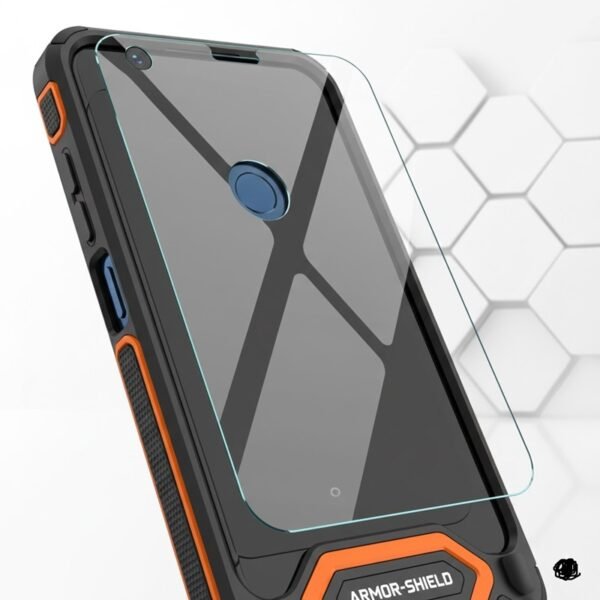
Silicone cases offer grip, but they don’t always protect against crushing pressure. Look for a case with a rigid backplate or raised bezels. Furthermore, a high-quality tempered glass screen protector adds a sacrificial layer that disperses impact force across the surface rather than letting it concentrate on a single point (which causes those pressure spots).

Watch Your Charging Habits

Heat is the enemy of electronics. Charging your phone while running graphic-intensive games or leaving it on a car dashboard in the sun can degrade the display layers and the battery. A degrading battery expands, and that internal pressure pushes directly against the back of your screen.

Mind the Pockets

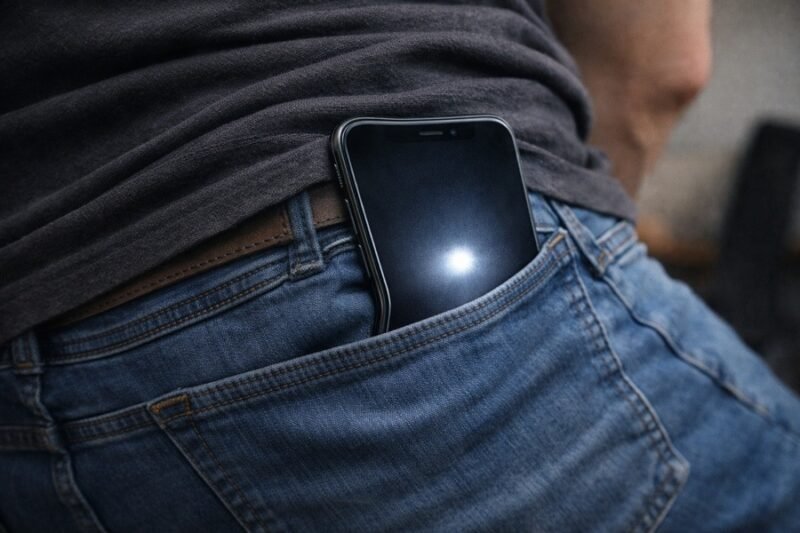
It sounds simple, but tight jeans are a major cause of pressure spots. When you sit down with a large phone in a tight pocket, the chassis can flex. Even a microscopic amount of flex can pinch the display layers. If you carry your phone in a bag, ensure it isn’t being crushed by laptops or heavy books.

Taking Action

A white spot on your phone screen is a blemish on your user experience, but it isn’t always permanent. By diagnosing the cause—whether it’s a drop, a splash, or a manufacturing hiccup—you can decide on the best path forward.

If you are dealing with a minor pressure spot, give the massage or heat method a try. If you suspect a swollen battery or severe hardware failure, prioritize your safety and visit a repair shop. Your tech is your portal to the world; keep it clear, bright, and fully operational.

FAQs

Can a white spot spread over time?

Yes, it is possible. If the spot is caused by a swollen battery that continues to expand, the pressure area will grow. Similarly, if the adhesive is failing, the separation between layers can worsen, leading to larger spots or additional light bleed.

Will putting my phone in rice fix a white spot caused by water?

No. The “rice myth” is largely ineffective for drying out internal components. If water trapped in the backlight layer is causing the spot, the corrosion has likely already started. Proper desiccant packs are better, but professional cleaning is usually required for water damage.

Does a white spot affect touch sensitivity?

Usually, no. The digitizer (touch layer) is separate from the backlight and LCD layer. However, if the spot was caused by significant impact, the digitizer glass could be weakened, potentially leading to dead zones later on.

Are white spots visible on screenshots?

No. A screenshot captures the data being sent to the display processor, not the physical output of the screen hardware. If you take a screenshot and view it on another device and the spot is gone, you have confirmed 100% that it is a hardware issue with your screen.

Elevate Your Tech Game

A white spot on your phone screen disrupts the immersive experience that modern technology is designed to provide. While it is a frustrating hardware flaw, understanding the difference between pressure damage, stuck pixels, and battery issues empowers you to make the right repair decision.

Whether you manage a successful DIY fix or opt for a professional screen replacement, addressing the issue promptly ensures your device continues to perform at an elite level. Don’t settle for a compromised display—restore your tech to its full potential.

Must Read: How to Check Automatic Transmission Fluid (ATF)

Prem Mandir Vrindavan – Timings, Photos, Location | Mathura

0

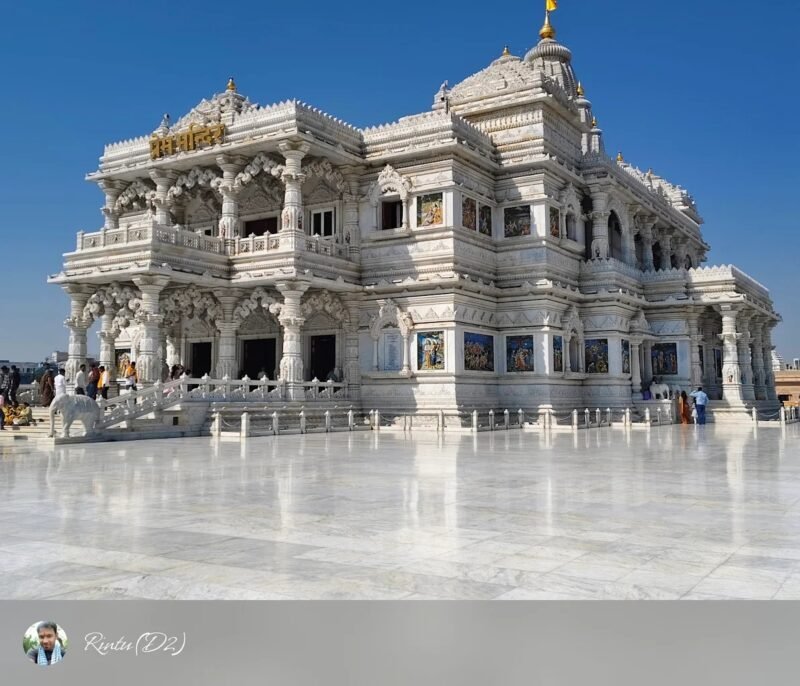
कभी-कभी ज़िंदगी में कुछ जगहें ऐसी होती हैं, जहाँ पहुँचकर लगता है कि हम किसी और ही दुनिया में आ गए हैं। मेरे लिए, वो जगह Prem Mandir Vrindavan है। जब मैं पहली बार उस विशाल, दूधिया सफ़ेद संगमरमर के स्ट्रक्चर के सामने खड़ा हुआ, तो कुछ देर के लिए मैं सब कुछ भूल गया। हवा में “राधे-राधे” कानों में घुल रहा था, और आँखों के सामने एक ऐसा नज़ारा था जिसे शब्दों में बयां करना मुश्किल है। वो सिर्फ़ एक मंदिर नहीं, बल्कि प्रेम, भक्ति और कला का एक जीता-जागता संगम है। ऐसा लगा जैसे राधा-कृष्ण का दिव्य प्रेम ही पत्थरों को तराशकर इस रूप में साकार हो गया है।

मेरा ये blog सिर्फ़ एक ट्रैवल गाइड नहीं है। ये मेरी उस यात्रा का एक भावनात्मक example है। मैं आपके साथ की, वो हर छोटी-बड़ी चीज़ साझा करना चाहता हूँ जो मैंने वहाँ महसूस की। उस मंदिर की भव्यता से लेकर उसकी दीवारों पर उकेरी गई कहानियों तक, दिन की शांति से लेकर रात की जगमगाहट तक। अगर आप कभी वृंदावन जाने का सोच रहे हैं, या बस उस दिव्य स्थान के बारे में जानना चाहते हैं, तो चलिए मेरे साथ इस यात्रा पर। यकीन मानिए, इस सफ़र के अंत तक आपका दिल भी “राधे-राधे” कहने लगेगा।

प्रेम मंदिर कहाँ है? – मथुरा और वृंदावन का सम्बन्ध

जब भी कोई कृष्ण भक्ति की बात करता है, तो मथुरा और वृंदावन का नाम एक साथ ही ज़ुबान पर आता है। कई लोग अक्सर पूछते हैं कि प्रेम मंदिर कहाँ है? क्या यह मथुरा में है या वृंदावन में? इसका सीधा सा जवाब है – प्रेम मंदिर वृंदावन में स्थित है। लेकिन मथुरा और वृंदावन का रिश्ता इतना गहरा है कि इन्हें अलग करके देखना मुश्किल है।

प्रेम मंदिर

मथुरा, भगवान कृष्ण की जन्मभूमि है। ये वो पवित्र नगरी है जहाँ कान्हा ने जन्म लिया, जहाँ उन्होंने अपने मामा कंस का वध किया। वहीं दूसरी ओर, वृंदावन वो लीला भूमि है जहाँ उन्होंने अपना बचपन बिताया, गोपियों संग रास रचाया और राधा रानी के साथ प्रेम की अनगिनत कहानियाँ लिखीं। मथुरा अगर जड़ है, तो वृंदावन उसकी सबसे सुंदर शाखा है।

प्रेम मंदिर, जिसे “Temple of Love” भी कहा जाता है, इसी लीला भूमि वृंदावन के बाहरी इलाके में, छटीकरा रोड पर स्थित है। ये मथुरा शहर से लगभग 12-15 किलोमीटर की दूरी पर है। अगर आप मथुरा रेलवे स्टेशन पर उतरते हैं, तो आपको आसानी से ऑटो, टैक्सी या ई-रिक्शा मिल जाएँगे जो आपको 30-40 मिनट में सीधे वृंदावन प्रेम मंदिर तक पहुँचा देंगे। तो अगली बार जब कोई पूछे, तो आप कह सकते हैं कि ये दिव्य प्रेम मंदिर कृष्ण की लीला भूमि वृंदावन की शान है, जो उनकी जन्मभूमि मथुरा से बस कुछ ही दूरी पर स्थित है।

Also Read: The Early Life of Krishna in Vrindavan

वृंदावन प्रेम मंदिर का इतिहास

प्रेम मंदिर को देखकर ऐसा लगता है जैसे ये सदियों से यहीं खड़ा हो, लेकिन आपको जानकर हैरानी होगी कि ये मंदिर आधुनिक वास्तुकला का एक अद्भुत नमूना है। इसका निर्माण जगद्गुरु श्री कृपालु जी महाराज ने करवाया था। कृपालु जी महाराज, जो राधा-कृष्ण के प्रति अपनी गहरी भक्ति और प्रेम के लिए जाने जाते थे, चाहते थे कि दुनिया में एक ऐसा स्थान हो जो राधा-कृष्ण के निश्छल प्रेम का प्रतीक बने।

इस सपने को साकार करने के लिए, प्रेम मंदिर की नींव 2001 में रखी गई थी। सोचिए, इस विशाल और भव्य मंदिर को बनाने में लगभग 11 साल का समय और हज़ारों कारीगरों की मेहनत लगी। इसे बनाने के लिए इटली से मंगाए गए संगमरमर का इस्तेमाल किया गया। ये वही संगमरमर है जो अपनी चमक और मज़बूती के लिए जाना जाता है। हर पत्थर को राजस्थान और उत्तर प्रदेश के कुशल कारीगरों ने अपने हाथों से तराशा है।

फरवरी 2012 में, यह मंदिर भक्तों के लिए खोला गया। कृपालु जी महाराज का विचार था कि यह मंदिर सिर्फ़ पूजा का स्थान न हो, बल्कि एक ऐसा केंद्र बने जहाँ लोग आकर राधा-कृष्ण की लीलाओं को महसूस कर सकें। इसलिए, मंदिर की दीवारों पर, खंभों पर, और हर कोने में आपको कृष्ण लीला के दृश्य मिलेंगे। यह मंदिर कृपालु जी महाराज की भक्ति और दूरदृष्टि का परिणाम है, जो आज Mathura Vrindavan Prem Mandir के रूप में दुनिया भर के भक्तों को अपनी ओर खींच रहा है।

Prem Mandir मथुरा Timings & दर्शन Timing

प्रेम मंदिर की सबसे ख़ास बातों में से एक है इसका माहौल, जो दिन और रात में बिल्कुल बदल जाता है। इसलिए, मैं हमेशा सलाह देता हूँ कि यहाँ दोनों समय ज़रूर आएँ। Prem Mandir मथुरा timings को जानना बहुत ज़रूरी है ताकि आप अपनी यात्रा को अच्छे से प्लान कर सकें।

मंदिर के कपाट पूरे हफ़्ते खुले रहते हैं।

Prem Mandir timing (Morning):

  • सुबह 5:30 बजे से दोपहर 12:00 बजे तक।

प्रेम मंदिर timing (Evening):

  • शाम 4:30 बजे से रात 8:30 बजे तक।

मेरा अनुभव:

सुबह का दर्शन: अगर आपको शांति और सुकून पसंद है, तो सुबह का समय सबसे अच्छा है। मैं जब सुबह-सुबह पहुँचा, तो भीड़ बहुत कम थी। हल्की धूप में सफ़ेद संगमरमर चमक रहा था। आप आराम से मंदिर परिसर में घूम सकते हैं, मूर्तियों को निहार सकते हैं और राधा-कृष्ण की लीलाओं को दर्शाती झाँकियों को बिना किसी हड़बड़ी के देख सकते हैं। सुबह की आरती का अनुभव भी बहुत दिव्य होता है।

शाम का दर्शन: लेकिन, प्रेम मंदिर का असली जादू तो शाम को शुरू होता है। जैसे ही सूरज ढलता है, पूरा मंदिर हज़ारों रंग-बिरंगी लाइटों से जगमगा उठता है। हर कुछ सेकंड में मंदिर का रंग बदलता है – कभी नीला, कभी गुलाबी, कभी हरा। यह नज़ारा इतना अद्भुत होता है कि आँखें बस देखती रह जाती हैं।

लाइट एंड साउंड शो: शाम को यहाँ एक म्यूजिकल फाउंटेन शो भी होता है, जो प्रेम मंदिर timings का एक मुख्य आकर्षण है। यह शो लगभग 7:30 बजे से 8:00 बजे के बीच होता है। रंगीन फव्वारे, राधा-कृष्ण के भजनों पर ऐसे नाचते हैं जैसे वो भी भक्ति में लीन हों। यह शो देखना एक अविस्मरणीय अनुभव है। अगर आप परिवार या बच्चों के साथ जा रहे हैं, तो इसे बिल्कुल भी मिस न करें।

तो मेरी सलाह यही है कि आप शाम 4:30 बजे के आसपास मंदिर पहुँच जाएँ, ताकि आप दिन की रोशनी में मंदिर की नक्काशी देख सकें और फिर सूर्यास्त के बाद उसकी जादुई जगमगाहट के भी साक्षी बन सकें।

Prem Mandir Vrindavan Photos – जो आँखों में बस जाए

कैमरा शायद ही उस सुंदरता को पूरी तरह से कैद कर सकता है जो प्रेम मंदिर में आँखों से दिखती है, लेकिन फिर भी, कुछ यादें सँजोने के लिए तस्वीरें ज़रूरी हैं। जब आप photos of prem mandir vrindavan खोजते हैं, तो आपको इसकी भव्यता का अंदाज़ा होता है, लेकिन वहाँ जाकर उसे महसूस करना एक अलग ही बात है।

Prem Mandir Vrindavan Photos

मूर्तियों का दिव्य स्वरूप: मंदिर के मुख्य हॉल में पहुँचते ही आपकी नज़रें राधा-कृष्ण की मनमोहक मूर्तियों पर टिक जाती हैं। उनकी आँखों में इतनी करुणा और प्रेम झलकता है कि लगता है वो अभी बोल पड़ेंगी। भूतल पर श्री सीता-राम की मूर्तियाँ भी उतनी ही सुंदर हैं। इन मूर्तियों की तस्वीरें लेना मना है, और सच कहूँ तो अच्छा ही है। कुछ चीज़ें दिल में बसाने के लिए होती हैं, कैमरे में नहीं।

संगमरमर की बारीक नक्काशी: मंदिर का हर कोना, हर दीवार और हर खंभा एक कलाकृति है। मैंने घंटों सिर्फ़ उन दीवारों को देखते हुए बिताए जिन पर कृष्ण लीला के पूरे प्रसंग उकेरे गए थे – कालिया नाग दमन से लेकर गोवर्धन पर्वत उठाने तक। कारीगरों ने संगमरमर पर इतनी बारीक नक्काशी की है कि हर चेहरा, हर भाव साफ़ नज़र आता है। आप इन DETAILS की तस्वीरें ले सकते हैं, ये वाकई कमाल की हैं।

संगमरमर की बारीक नक्काशी

रात की जादुई रोशनी: जैसा मैंने पहले कहा, रात में प्रेम मंदिर एक अलग ही दुनिया बन जाता है। रंग बदलती लाइटें जब सफ़ेद संगमरमर पर पड़ती हैं, तो एक जादुई माहौल बनता है। दूर से देखने पर ऐसा लगता है जैसे स्वर्ग का कोई महल धरती पर उतर आया हो। रात में ली गई प्रेम मंदिर वृंदावन photos हमेशा मेरी पसंदीदा रही हैं। वो रंगीन नज़ारा शब्दों से परे है।

प्रेम मंदिर वृंदावन photos

पूरे परिसर में भगवान कृष्ण के जीवन की विभिन्न घटनाओं को दर्शाती सुंदर झाँकियाँ भी हैं। गोवर्धन पर्वत उठाए कृष्ण, गोपियों संग रासलीला और कालिया नाग के फन पर नृत्य करते कान्हा की झाँकियाँ इतनी जीवंत हैं कि बच्चे और बड़े, सभी उन्हें देखकर खुश हो जाते हैं। इन झाँकियों के साथ तस्वीरें लेना एक बेहतरीन अनुभव है।

मथुरा वृंदावन प्रेम मंदिर कैसे पहुँचे

वृंदावन में स्थित प्रेम मंदिर तक पहुँचना बहुत आसान है क्योंकि यह देश के प्रमुख शहरों से अच्छी तरह जुड़ा हुआ है। आप अपनी सुविधा के अनुसार ट्रेन, बस या अपनी गाड़ी से यहाँ आ सकते हैं।

ट्रेन द्वारा:

वृंदावन का अपना कोई मुख्य रेलवे स्टेशन नहीं है। सबसे नज़दीकी बड़ा रेलवे स्टेशन मथुरा जंक्शन (MTJ) है, जो प्रेम मंदिर से लगभग 12 किलोमीटर दूर है। मथुरा जंक्शन दिल्ली-मुंबई और दिल्ली-चेन्नई मेन लाइन पर पड़ता है, इसलिए देश के लगभग सभी बड़े शहरों जैसे दिल्ली, मुंबई, कोलकाता, चेन्नई, आगरा, जयपुर आदि से यहाँ के लिए सीधी ट्रेनें मिलती हैं। स्टेशन से बाहर निकलते ही आपको प्रेम मंदिर के लिए ऑटो-रिक्शा, टैक्सी और ई-रिक्शा आसानी से मिल जाएँगे, जो आपको 30-40 मिनट में पहुँचा देंगे।

बस द्वारा:

उत्तर प्रदेश परिवहन की बसें दिल्ली, आगरा, जयपुर और अन्य नज़दीकी शहरों से मथुरा और वृंदावन के लिए नियमित रूप से चलती हैं। दिल्ली के सराय काले खां (ISBT) से आपको हर आधे घंटे में मथुरा के लिए बस मिल जाएगी। वृंदावन में भी अपना बस स्टैंड है, लेकिन ज़्यादातर बसें मथुरा के नए बस स्टैंड पर रुकती हैं। वहाँ से भी आपको मंदिर के लिए लोकल ट्रांसपोर्ट मिल जाएगा।

सड़क मार्ग (अपनी गाड़ी से):

अगर आप दिल्ली-एनसीआर से आ रहे हैं, तो यमुना एक्सप्रेसवे सबसे अच्छा और तेज़ रास्ता है। यह एक शानदार 6-लेन हाईवे है। दिल्ली से प्रेम मंदिर की दूरी लगभग 180 किलोमीटर है और एक्सप्रेसवे से यह सफ़र 2.5 से 3 घंटे में पूरा हो जाता है। आपको एक्सप्रेसवे पर वृंदावन के लिए एग्जिट लेना होगा, जहाँ से मंदिर कुछ ही किलोमीटर दूर है। मंदिर के पास पार्किंग की अच्छी सुविधा उपलब्ध है।

प्रेम मंदिर घूमने का बेस्ट टाइम

वैसे तो भक्ति का कोई समय नहीं होता, आप जब चाहें भगवान के द्वार जा सकते हैं। लेकिन अगर आप मौसम और भीड़ के हिसाब से अपनी यात्रा को आरामदायक बनाना चाहते हैं, तो कुछ बातें ध्यान में रख सकते हैं।

सीजन के हिसाब से:

वृंदावन घूमने का सबसे अच्छा समय सर्दियों के दौरान, यानी अक्टूबर से मार्च तक होता है। इस समय मौसम बहुत सुहावना रहता है। न ज़्यादा गर्मी होती है और न ही कड़ाके की ठंड। आप आराम से दिन में घूम सकते हैं और शाम की ठंडी हवा का आनंद ले सकते हैं।

गर्मियों (अप्रैल से जून) में यहाँ बहुत ज़्यादा गर्मी पड़ती है। तापमान 45 डिग्री सेल्सियस तक पहुँच जाता है, जिससे दिन में घूमना बहुत मुश्किल हो जाता है। संगमरमर का फर्श भी दोपहर में बहुत गर्म हो जाता है।

मानसून (जुलाई से सितंबर) में मौसम थोड़ा बेहतर होता है, लेकिन बारिश के कारण घूमने में थोड़ी परेशानी हो सकती है। हालाँकि, जन्माष्टमी और राधाष्टमी जैसे त्योहार इसी मौसम में आते हैं, और उस समय वृंदावन की रौनक देखने लायक होती है, पर भीड़ भी बहुत ज़्यादा होती है।

दिन के समय के हिसाब से:

जैसा कि मैंने पहले भी बताया, प्रेम मंदिर को उसकी पूरी भव्यता में देखने के लिए सबसे अच्छा समय (Evening) शाम का है। आप लगभग 4:00 – 5:00 बजे के आसपास पहुँचें। इससे आप सूर्यास्त से पहले मंदिर की सफ़ेद सुंदरता और बारीक नक्काशी को देख पाएँगे और फिर सूर्यास्त के बाद उसकी जादुई, रंग-बिरंगी रोशनी का अनुभव कर पाएँगे। म्यूजिकल फाउंटेन शो भी शाम को ही होता है, जो आपकी यात्रा को और भी यादगार बना देगा।

You also Follow Google Map:

दर्शन के दौरान ध्यान रखने लायक बातें

प्रेम मंदिर एक पवित्र स्थान है, इसलिए यहाँ जाते समय कुछ बातों का ध्यान रखना ज़रूरी है ताकि आपकी यात्रा सुखद रहे और किसी को कोई असुविधा न हो। I requets to all Hindu, Please follow these rules:

  1. कपड़ों का ध्यान रखें: यह एक धार्मिक स्थल है, इसलिए शालीन कपड़े पहनें। शॉर्ट्स, मिनी स्कर्ट या बहुत छोटे कपड़े पहनकर जाने से बचें। शरीर को ढकने वाले सामान्य कपड़े सबसे उपयुक्त हैं।
  2. जूते-चप्पल बाहर उतारें: मंदिर परिसर में प्रवेश करने से पहले आपको अपने जूते-चप्पल काउंटर पर जमा कराने होते हैं। यह सुविधा निःशुल्क है। आपको एक टोकन दिया जाएगा, जिसे संभालकर रखें।
  3. फोटोग्राफी और वीडियोग्राफी: मंदिर के मुख्य भवन के अंदर, जहाँ मूर्तियाँ स्थापित हैं, वहाँ फोटोग्राफी करना सख्त मना है। लेकिन आप बाहरी परिसर, बगीचों और झाँकियों की तस्वीरें ले सकते हैं।
  4. मोबाइल फोन: मंदिर के अंदर अपना फोन साइलेंट मोड पर रखें। ऊँची आवाज़ में बात करने से बचें ताकि दूसरों की भक्ति में कोई बाधा न आए।
  5. सामान रखने की सुविधा: अगर आपके पास बड़े बैग या सामान हैं, तो उन्हें आप लॉकर रूम में रख सकते हैं। यह सुविधा भी निःशुल्क है।
  6. बंदरों से सावधान: वृंदावन में बंदर बहुत हैं। अपने खाने-पीने का सामान, चश्मा और पर्स आदि संभालकर रखें। उन्हें कुछ खिलाने की कोशिश न करें।
  7. साफ़-सफ़ाई का ध्यान रखें: मंदिर परिसर बहुत साफ़-सुथरा है। कृपया कूड़ा कूड़ेदान में ही डालें और सफ़ाई बनाए रखने में सहयोग करें।
  8. समय का ध्यान रखें: अगर आप म्यूजिकल फाउंटेन शो देखना चाहते हैं, तो उसके समय से थोड़ा पहले पहुँचकर अपनी जगह ले लें, क्योंकि वहाँ काफ़ी भीड़ हो जाती है।

राधा कृष्ण मंदिर: प्रेम, भक्ति और अध्यात्म का पवित्र संगम

Prem Mandir Vrindavan से जुड़ी रोचक बातें और आम सवाल

Q1: प्रेम मंदिर को बनने में कितना समय लगा?

A: प्रेम मंदिर की नींव 2001 में रखी गई थी और यह लगभग 11 वर्षों के अथक परिश्रम के बाद 2012 में बनकर तैयार हुआ।

Q2: प्रेम मंदिर किस पत्थर से बना है?

A: यह भव्य मंदिर इटली से मंगाए गए उच्च गुणवत्ता वाले संगमरमर से बना है, जिसे हज़ारों कुशल कारीगरों ने तराशा है।

Q3: क्या प्रेम मंदिर में प्रवेश के लिए कोई टिकट लगता है?

A: नहीं, प्रेम मंदिर में प्रवेश पूरी तरह से निःशुल्क है। किसी भी तरह का कोई एंट्री टिकट नहीं है।

Q4: मंदिर परिसर में क्या-क्या देखने लायक है?

A: मुख्य मंदिर के अलावा, यहाँ कृष्ण लीलाओं को दर्शाती सुंदर झाँकियाँ, एक म्यूजिकल फाउंटेन, विशाल सत्संग हॉल और सुंदर बगीचे हैं।

Q5: प्रेम मंदिर का पूरा नाम क्या है?

A: इसका पूरा नाम “प्रेम मंदिर, एन एबोड ऑफ डिवाइन लव” है। यह जगद्गुरु कृपालु परिषत् द्वारा संचालित है।

एक रोचक बात: मंदिर की दीवारों पर श्रीमद्भागवतम् पुराण के श्लोक भी उकेरे गए हैं। जब आप गलियारों से गुज़रते हैं, तो आप न केवल कृष्ण लीलाओं को देखते हैं, बल्कि उनके बारे में पढ़ भी सकते हैं। यह कला और ज्ञान का एक अद्भुत संगम है।

निष्कर्ष

प्रेम मंदिर की यात्रा सिर्फ़ एक जगह घूमने जाने जैसा नहीं है, यह एक अनुभव है जो आपकी आत्मा को छू जाता है। उस सफ़ेद संगमरमर की भव्यता, हवा में गूँजता “राधे-राधे” का स्वर, दीवारों पर उकेरी कृष्ण लीलाएँ और रात में रंगों की वो जादुई दुनिया – ये सब मिलकर आपको एक अलग ही लोक में ले जाते हैं। जब मैं वहाँ से वापस लौट रहा था, तो मेरा मन शांत था और दिल में एक अजीब सी खुशी थी।

यह सिर्फ़ एक Prem Mandir नहीं, बल्कि प्रेम का जीता-जागता स्वरूप है। यह हमें याद दिलाता है कि भक्ति और प्रेम में कितनी शक्ति होती है। अगर आप कभी शांति, सुकून और आध्यात्मिकता की तलाश में हों, तो मथुरा-वृंदावन की अपनी यात्रा में प्रेम मंदिर को ज़रूर शामिल करें। मैं यकीन के साथ कह सकता हूँ कि आप वहाँ से सिर्फ़ यादें नहीं, बल्कि अपने दिल में भक्ति का एक छोटा सा कोना लेकर लौटेंगे जो हमेशा रोशन रहेगा।

राधे-राधे | Radhe Radhe! | Lord Krishan | मथुरा-वृंदावन | Prem Mandir Vrindavan

How to Check Transmission Fluid: A Step-by-Step Guide
0

Your car’s transmission is one of its most complex and vital components. It’s responsible for transferring power from the engine to the wheels, allowing you to drive at different speeds. Proper maintenance is key to its longevity, and a simple but crucial task is regularly checking the transmission fluid. Learning how to check transmission fluid can save you from costly repairs and keep your vehicle running smoothly. This guide will walk you through the entire process, whether you have an automatic or manual transmission.

Why Checking Your Transmission Fluid is Important

Transmission fluid is the lifeblood of your transmission. It serves several critical functions:

  • Lubrication: It lubricates the many moving parts within the transmission to reduce friction and wear.
  • Cooling: It helps dissipate the immense heat generated during operation.
  • Cleaning: It carries away small particles and debris, keeping the system clean.
  • Hydraulic Pressure: In an automatic transmission, the fluid creates the hydraulic pressure needed to shift gears.

Low or dirty fluid can lead to serious problems like slipping gears, overheating, and eventually, complete transmission failure. Regularly checking the fluid level and condition is a proactive step to catch issues early.

Before You Begin: Safety First

Before you start, make sure you take a few safety precautions.

  • Park your car on a level surface. This is essential for getting an accurate fluid level reading.
  • Engage the parking brake firmly.
  • Wear gloves to protect your hands from hot engine components and fluids.
  • Have a clean, lint-free rag or paper towel ready.

How to Check Automatic Transmission Fluid

Most modern vehicles have an automatic transmission, and checking the fluid is a straightforward process. The key difference from an oil check is that the engine usually needs to be running and warm.

Step 1: Warm Up the Engine

For an accurate reading, the transmission fluid needs to be at its normal operating temperature. Drive your car for about 10 to 15 minutes to warm it up. This allows the fluid to expand and circulate properly.

Step 2: Locate the Transmission Dipstick

With the engine still running and the car in Park or Neutral (check your owner’s manual for the specific requirement), open the hood. The transmission fluid dipstick is typically located toward the back of the engine bay. It often has a brightly colored handle (red, orange, or yellow) and may be labeled “TRANS,” “ATF,” or with a transmission symbol. It looks similar to the engine oil dipstick but is usually longer.

Step 3: Check the Fluid Level

Follow these steps for an accurate check on your automatic transmission fluid levels:

  1. Pull the dipstick out and wipe it clean with your lint-free rag.
  2. Fully reinsert the dipstick, then pull it out again.
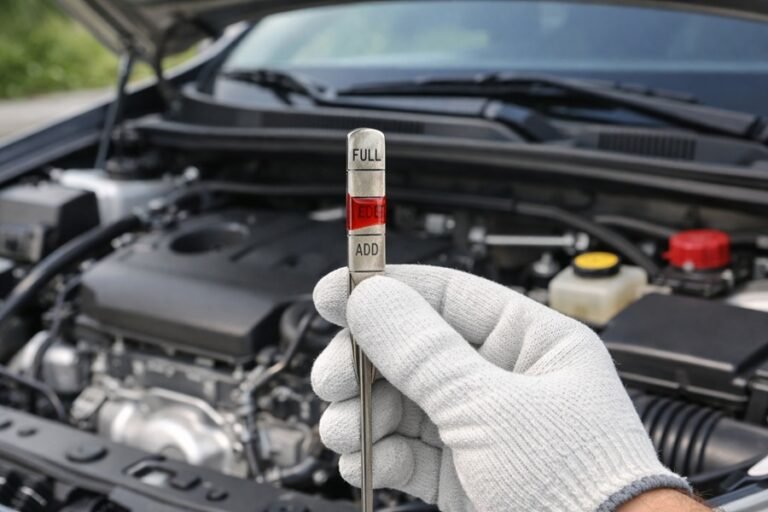
  3. Look at the end of the dipstick. You will see markings indicating the proper fluid level. These might be labeled “FULL,” “ADD,” or have a cross-hatched area. Some dipsticks have two sets of markings: one for “COLD” and one for “HOT.” Since you’ve warmed up the car, use the “HOT” marking.
  4. The fluid level should be between the “FULL” and “ADD” lines. If it’s below the “ADD” line, you need to top it off.

Step 4: Examine the Fluid’s Condition

How the fluid looks and smells is just as important as the level.

  • Color: Healthy automatic transmission fluid (ATF) is typically bright red or pink and translucent.
  • Smell: It should have a slightly sweet, oily smell.
  • Consistency: It should be smooth and free of debris.

If the fluid is dark brown or black, smells burnt, or has metal shavings or other particles in it, this is a sign of a serious problem. You should have your transmission inspected by a professional mechanic as soon as possible.

What About Cars Without a Dipstick?

Many newer vehicles are equipped with a “sealed” transmission that does not have a dipstick. The manufacturer intends for this fluid to last the lifetime of the vehicle, but problems can still occur. Checking the fluid in a sealed transmission is more complex and often requires special tools and a vehicle lift. It typically involves removing a check plug on the side or bottom of the transmission case.

If you have a sealed transmission and suspect an issue, it is highly recommended that you take your car to a qualified mechanic to have the system inspected.

How to Check Manual Transmission Fluid

How to Check Automatic Transmission Fluid

Checking the fluid in a manual transmission is a different process. The engine should be off and cool for this check.

  1. Lift the Vehicle: You will need to safely lift the vehicle using a jack and support it with jack stands. You must be able to get underneath it.
  2. Locate the Fill Plug: On the side of the transmission case, you will find two plugs: a fill plug and a drain plug. The fill plug is located higher up than the drain plug.
  3. Check the Level: Using a wrench, remove the fill plug. The fluid level should be right at the bottom edge of the fill plug hole. You can check this by sticking your finger (with a glove on) into the hole. If you can feel the fluid at the opening, the level is correct.
  4. Inspect and Refill: If the level is low, you will need to add the correct type of manual transmission fluid until it starts to seep out of the fill hole. Use a fluid pump to make this process easier.

Maintain Your Transmission for the Long Haul

Now that you know how to check transmission fluid levels, you can make it part of your regular vehicle maintenance routine. Checking it once a month or every few oil changes is a good practice. This simple, five-minute task can help you spot potential issues before they become major, expensive repairs. By keeping an eye on your transmission fluid, you are investing in the health and longevity of your vehicle. If you ever feel unsure or notice signs of a problem, don’t hesitate to consult a trusted mechanic.

You can also refer to this detailed transmission fluid level check guide for additional tips and variations.

Frequently Asked Questions (FAQs)

Can I drive my car with low transmission fluid?

It is highly discouraged to drive with low fluid levels. Low fluid can cause the transmission to overheat, gears to slip, and can eventually lead to a complete and expensive transmission failure.

What color should healthy transmission fluid be?

Healthy Automatic Transmission Fluid (ATF) is typically bright red or pink and translucent. If the fluid looks dark brown, black, or cloudy, it is time for a fluid change or a professional inspection.

How often should I check my transmission fluid?

As a part of regular maintenance, it is a good practice to check your fluid levels once a month or every time you get an oil change. Early detection of leaks can save you thousands in repair costs.

What are the signs of low transmission fluid?

Common warning signs include difficulty shifting gears, jumping or grinding noises during acceleration, a burning smell, or a noticeable delay in vehicle movement when shifting into Drive or Reverse.

Troubleshooting & Fluid Health

What color should transmission fluid be?

Healthy automatic transmission fluid is typically a bright, translucent red or pink. This color makes it easy to distinguish from engine oil and helps you spot leaks.

What does it mean if the fluid is brown or black?

If the fluid is dark brown or black, it is likely old, oxidized, or contaminated. This suggests it is no longer lubricating effectively and needs to be changed. If it is black and has a burnt smell, it indicates internal damage to the transmission, and you should see a mechanic immediately.

Can I just add more fluid if it’s low?

Yes, if the level is low, you can top it off. However, be extremely careful not to overfill it, as this can cause foaming and erratic shifting. Also, transmission fluid doesn’t “burn off” like engine oil. If the level is low, it usually means there is a leak that needs to be found and fixed.

My car doesn’t have a dipstick. How do I check it?

Many modern cars have “sealed” transmissions. These do not have a user-accessible dipstick and are designed to be “maintenance-free” for a long period. However, leaks can still happen. If you suspect a leak or shifting issues with a sealed transmission, you should take your vehicle to a professional mechanic who has the specialized tools to check the level via a plug on the transmission case.

What are the signs of low transmission fluid?

Common symptoms include:

  • Slipping gears (the engine revs but the car doesn’t accelerate properly)
  • Rough or delayed shifting
  • A burning smell
  • Unusual noises like whining or clunking
  • Transmission overheating warnings on your dashboard

How to Check Automatic Transmission Fluid (ATF)

0

How to Check Automatic Transmission Fluid is one of the most important yet often ignored aspects of basic car maintenance. Checking the transmission fluid regularly helps ensure smooth gear shifting, prevents overheating, and protects your vehicle from expensive transmission repairs. Whether you drive an older car with a dipstick or a modern automatic vehicle, understanding when and how to check automatic transmission fluid can save you time, money, and unexpected breakdowns.

Maintaining the correct level and quality of automatic transmission fluid is essential for smooth shifting and the longevity of your vehicle’s transmission. Unlike engine oil, which is checked with the engine off, most automatic transmissions require the engine to be running for an accurate reading.

Important Precautions

  • Consult Your Manual: Some modern cars have “sealed” transmissions with no dipstick. Others (like many Hondas) require the engine to be off. Always check your owner’s manual first.
  • Burn Hazard: The engine and transmission fluid will be hot. Wear gloves and proceed with caution.
  • Lint-Free Only: Use a lint-free rag or a clean paper towel. Fibers from a standard towel can damage the sensitive internals of a transmission.

Step-by-Step Instructions

1. Preparation

  • Level Surface: Park the vehicle on flat, level ground to ensure the fluid is level in the pan.
  • Warm Up: Drive the car for 10–15 minutes until it reaches normal operating temperature. Transmission fluid expands when heated; checking it cold can lead to a false low reading.
  • Safety: Engage the parking brake firmly.

2. Cycle the Gears

  1. With the engine running and your foot firmly on the brake, slowly shift the selector through every gear watch Video (P → R → N → D → L and back).
  2. Pause for about 3–5 seconds in each position to allow the fluid to circulate through the valve body.
  3. Return the shifter to Park (or Neutral, if specified by your manual).

3. Locate the Dipstick

  • Open the hood and look for a dipstick handle that is typically red or yellow (engine oil is often white or yellow).
  • It is usually located further back in the engine bay, closer to the firewall, near where the engine meets the transmission.

4. Perform the Check

  1. Pull and Wipe: Pull the dipstick out and wipe it completely clean with your lint-free rag.
  2. Reinsert: Push the dipstick all the way back into the tube.
  3. Read the Level: Pull it out again and look at the tip.
    • There are usually two sets of marks: COLD and HOT.
    • Since the engine is warm, the fluid should be between the two lines or within the “cross-hatched” area in the HOT section.

Understanding the Results

Fluid Level

  • Low: If the fluid is below the “Add” or “Hot” mark, you need to add fluid. Use a funnel to add small amounts through the dipstick tube. Do not overfill, as this can cause foaming and overheating.
  • High: If the fluid is significantly above the “Full” mark, it may need to be drained. Excess fluid can cause pressure issues.

Fluid Condition

Color/Smell Meaning Action
Bright Red / Pink Healthy fluid. No action needed.
Light Brown Normal wear and tear. Monitor; consider a fluid change soon.
Dark Brown / Black Burnt or heavily oxidized. Immediate fluid and filter change required.
Burnt Smell Transmission is slipping or overheating. Professional inspection needed immediately.
Milky / Strawberry Milkshake Coolant has leaked into the transmission. Stop driving. This indicates a major failure (likely a radiator leak).
Metal Particles Internal components are wearing down. Professional repair is required.

When to Check

  • Monthly: As part of your routine maintenance.
  • Before Long Trips: Especially if towing.
  • Signs of Trouble: If you notice slipping, hesitating, or “clunking” while shifting.

If you’re also learning basic car maintenance, this guide on how to check transmission fluid will help you understand when your vehicle needs attention and how to avoid costly repairs.

CBX Internet Banking: The Smart Choice for Corporates

0

Running a business is a high-stakes game and speed and security are not “nice to have” options, they are table stakes. If you’re processing large volumes of transactions or mananging a corporate treasury, you may already know about CBX Internet Banking.

A quick abbreviation for Contextual Banking eXperience, CBX is more than a login portal. It’s an advanced platform built to provide businesses with a “cockpit view” of their financial well-being. Come Q2, when we’re moving money across borders or running payroll automatically at scale, this system will be ready to do the heavy lifting while ensuring your data is locked up under tight guard.

What is CBX Internet Banking Exactly?

CBX is the corporate digital banking platform of choice for large institutions such as HDFC Bank and one of those built on Intellect Design Arena’s technology. Unline traditional retail banking, CBX is designed to meet the sophisticated requirements of corporate and SME customers.

Contextual is a key part of the name. The platform learns your behavior and offers functionality based on your role: whether that’s an accountant looking at balances, or a CFO signing off multimillion-dollar payments.

Key Features at a Glance:

Single Window View all your accounts, right from your current account to fixed deposits, with ease.

Bulk Payments: Make hundreds of vendor payments or salaries at one go by uploading a simple file.

Multi-level approval: Create customised workflows where one person initiates and other (or more) approve Payments.

Liquidity Monitoring in Real Time: Know how much you have on hand for cash flow right now, not at the end of the day.

The Importance Of A CBX Upgrade For Any Business

If your company is still on basic online banking, you are leaving efficiencies on the table. Here’s what the day in the life of a finance team looks like when you use CBX.

Seamless Bulk Transactions

Manually processing 500 employee salaries individually is a disaster waiting to happen. In CBX Internet Banking you can leverage the “Bulk Upload” facility. You just prepare a RX file or Csv/Excel sheet and upload it the system takes care of all your NEFT, RTGS Or IMPS transfers in one go.

Contextual Insights

Without the need to burrow down through menus, CBX leverages “Quick Links” and “Contextual Actions.” When you look at a account statement, “Initiate Payment” and “Download Receipt” are just there. It reduces the number of clicks you make considerably.

Advanced Security Protocols

Security is a primary concern for every business. 2 Factor Authentication (2FA) CBX uses Two-Factor-Authentication, usually by the means of a physical or mobile “Soft Token” app. That way, if somebody does get a look at your password, they won’t be able to budge so much as one cent without also having that secondary code from your authenticated device.

Where to Begin: Registration and Login

Opening your CBX account works a little differently than for your personal account, but it’s easy with the right documents in hand.

The Registration Process:

Send in the Application: You will need to complete and send in the CBX/ENet application form your bank sends you.

Define Roles: Determine the “Inputter,” (the one handling transactions) and the “Authorizer” (the one signing off).

Token Activation: You will be issued with a Corporate ID and User ID if approved. You will also have to install the bank’s particular Token App for getting the secure OTPS.

Quick Login Tips:

Always go directly to the official bank’s website (e.g., hdfcbank. com).

Find the “Wholesale” or “Corporate” banking.

NEVER save your Corporate ID or password on a public browser.

Protecting Yourself: The Corporate Edition

Phishing targets high-value accounts. To stay safe:

Change Passwords Frequently: Many systems now require a change every 90-180 days. Don’t just add “1” to your old password; make it unique.

Steer clear of public Wi-Fi: Log into that corporate account from a cafe or airport network at your peril.

Check Last Login: When you log in, the dashboard will display your “Last Login Time.” Check this every so often to ensure no one else has been in your account.

Frequently Asked Questions

How is CBX different from regular NetBanking? Yes. Regular NetBanking is for individuals. Wholesale Users CBX A “Wholesale” user is a business account with extended limits and the ability to process Bitcoin & XRP in bulk, with multi-user access.

I am unable to generate a PIN with my Soft Token, what can I do? This typically occurs because your phone is out of sync with the right time. Set your phone’s time to “Automatic.” If it continues to fail, you might have to re-register the device through your bank’s helpdesk.

Can I use one CBX login to administer several group companies? Yes, CBX supports “Multi-Entity” views. If you operate a number of subsidiaries then your bank will be able to connect all of these together on one master domain, which means you can manage the liquidity across the whole group from one location.

The Bottom Line

CBX digital ledger isn’t just an online banking platform—it’s a growth engine. It automates the boring stuff and locks in your security so you can focus on what really matters: growing your business.

Must Read: Digital Banking Platforms are Changing—Is Your Institution Keeping Up?